
Pruning
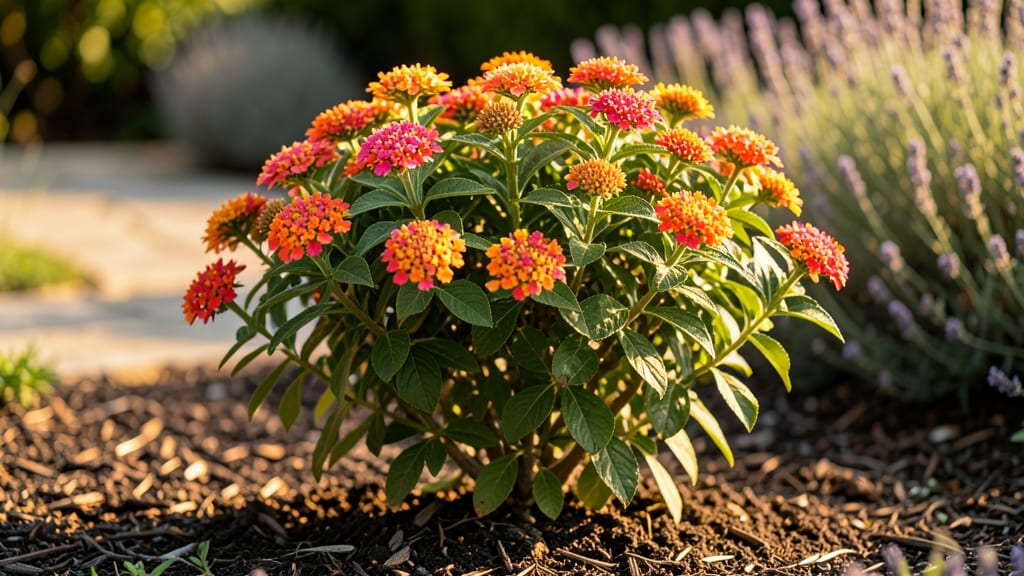
Lantana naturally grows as a sprawling, multi-stemmed shrub—not a true tree—but with the right pruning, you can shape it into a small, bushy "tree" form that becomes the star of your garden. ✨ My first lantana looked like a tangled mess until I learned how to guide its growth, and now it’s the most photographed plant in my backyard.
The secret lies in strategic cuts that encourage branching while maintaining its signature flower power.
Start by selecting the two or three thickest stems to become your "trunk." Prune these back to about 2 feet from the ground in early spring, then remove any competing thinner stems at the base.
Lantana thrives in full sun and well-draining soil, so give it at least 6 hours of sunlight daily and avoid heavy, soggy soil—this keeps it healthy enough to handle pruning. The key is to cut just above a leaf node (where new growth emerges), not at random spots.
By midsummer, your "trunk" will have filled out with new branches, and you’ll start seeing those familiar clusters of orange, yellow, or pink flowers along the stems. To keep the shape compact, trim back any leggy growth in late spring or early summer—this encourages even more blooms.
The result? A 3- to 5-foot-tall lantana "tree" that looks intentional, not wild, and stays covered in flowers from spring until frost.
This method works for both lantana camara (the classic garden variety) and dwarf types, though smaller varieties may only reach 2 feet. The same pruning rules apply—just scale down the height.
Avoid heavy pruning in fall, as lantana needs time to harden off before winter. With this approach, your lantana won’t just survive; it’ll become the showstopper of your landscape.
📚 In This Guide
- What you need
- Instructions
- Tips and common mistakes
- Wrapping up and next steps
What you need
- ● Pruning shears: Bypass or anvil-type, sharp and sanitized (for clean cuts). 1 pair.
- ● Hand pruners: For smaller branches (5–7 inches in diameter). 1 pair.
- ● Loppers: For thicker branches (up to 2 inches in diameter). 1 pair.
- ● Pruning saw: For stubborn, woody stems (if needed). 1.
- ● Disinfectant (70% isopropyl alcohol or bleach solution): To sterilize tools between cuts. Small bottle.
- ● Garden gloves: Cut-resistant or heavy-duty (lantana thorns can be sharp!). 1 pair.
- ○ Gardening shears or hedge shears: For shaping dense foliage (optional but helpful for formal forms). 1 pair.
- ○ Pruning sealant (optional but recommended): For large cuts (to prevent disease). Small tube.
- ● Best time to prune: Early spring (before new growth) or late winter for shaping; after flowering to encourage more blooms.
- ● Weather check: Choose a dry, calm day to avoid spreading disease or attracting pests.
- ○ Safety gear (optional): Safety glasses (if dealing with thorny or overgrown lantana).
- ● Long sleeves/pants (to protect from thorns and sun).
- ○ Cleanup supplies (optional but handy): Heavy-duty trash bags (for pruned debris).
- ● Garden hose or bucket (to rinse tools and hands).
Step-by-Step guide to pruning lantana for bushy, flower-packed growth
Transform your lantana from leggy to lush with these precision pruning techniques—no guesswork required.
✂️ Step 1: Identify and Remove Dead or Diseased Wood
Start by examining the entire plant for any branches that are brown, brittle, or showing signs of disease like black spots or fungal growth. Lantana is tough, but dead wood only diverts energy from flowering. Grab your pruning shears and cut back these stems to the nearest healthy growth node—you’ll see fresh green tissue just above a small bump where leaves attach.
Work from the bottom up to avoid dropping debris onto lower branches. If a branch is completely dead, cut it back to the main stem or remove it entirely. This step ensures your plant directs all its resources toward new, vibrant growth rather than maintaining what’s already beyond saving.
✂️ Step 2: Prune for Shape and Airflow
Step back and assess the overall form of your lantana. Aim for a naturally rounded shape by cutting back the longest branches to just above a set of leaves where three stems emerge—a growth habit called a "Y" junction. This encourages bushier growth rather than a single dominant stem. For each cut, angle the shear slightly upward to prevent water from pooling on the wound.
Focus on improving airflow by thinning out the center of the plant. Remove any branches growing inward or crossing others—these create shaded areas that promote fungal issues. You’ll know you’re doing it right when you can see light filtering through the plant’s canopy. This step is all about balance: too little pruning leads to legginess, while over-pruning stresses the plant.
☀️ Step 3: Encourage Flowering with Strategic Cuts
Lantana blooms on new wood, so the key is to stimulate fresh growth. Cut back each branch by about one-third of its length, making your cuts just above a leaf node. This shock encourages the plant to produce multiple side shoots, each of which will develop into a flowering stem. Avoid cutting into old wood—look for green stems with visible buds or leaves.
Timing matters here: prune after the last frost in your area but before the plant enters full bloom. You’ll see new shoots emerge within 2-3 weeks, and these will quickly develop into clusters of vibrant flowers. If you prune too late in the season, you risk cutting off potential blooms for the year.
⏰ Step 4: Maintain Through the Growing Season
Once your lantana is shaped and flowering, keep it in check with regular maintenance pruning every 4-6 weeks. Pinch back the tips of new growth to encourage branching, and remove any spent flowers to redirect energy toward new blooms. Lantana is prolific, so you’ll find yourself pruning often—but think of it as shaping a living sculpture.
Watch for signs of overgrowth, like branches rubbing together or leaves shading the lower stems. These are your cues to step in with the shears again. A well-maintained lantana will reward you with continuous blooms from early summer through fall, making your efforts well worth it.
Tips & tricks for perfect lantana tree form
These precision techniques will transform your leggy lantana into a thriving, flower-filled beauty—without the guesswork.
Tool Selection Matters: Use sharp, clean pruning shears for every cut—dull blades crush stems and create jagged wounds that invite disease. I keep a small bottle of rubbing alcohol handy to sterilize my shears between cuts, especially when removing diseased wood in Step 1. This prevents cross-contamination that could spread to healthy branches. For thicker stems, switch to loppers—never use hedge shears, as they can't handle the job cleanly.
Visual Cues for Perfect Cuts: In Step 2, look for the "Y" junction where three stems emerge—this is your target cutting point. The angle of your cut should be just above this junction, creating a sloped surface that sheds water naturally. I find it helpful to visualize an upside-down triangle when making these cuts: the wider base at the bottom prevents water pooling, while the narrow top directs new growth outward. This simple technique creates that perfect rounded shape without over-pruning.
Seasonal Timing Secret: The 2-3 week window mentioned in Step 3 is your golden opportunity. I've learned that pruning right after the last frost (when new growth is about to begin) gives lantana the maximum growing season to recover and flower. Check your local frost dates and mark your calendar—this small detail makes all the difference between a modest recovery and a spectacular bloom explosion. For those in warmer climates, aim for early spring when daytime temperatures consistently reach the 60s.
Maintenance Mindset: The 4-6 week maintenance schedule in Step 4 is your secret weapon for continuous blooms. I set a reminder on my phone for every 5 weeks to stay on track. Think of this as "bloom insurance"—regular pinching and deadheading prevent overgrowth that would otherwise divert energy away from flowers. Pro tip: always remove spent flowers at the base where they meet the stem, not just the flower cluster—this encourages stronger new growth from the main stem.
Pro Tips for Lantana Tree Form
- These precision techniques will transform your leggy lantana into a thriving, flower-filled beauty—without the guesswork.
- Tool Selection Matters: Use sharp, clean pruning shears for every cut—dull blades crush stems and create jagged wounds that invite disease.
- Visual Cues for Perfect Cuts: In Step 2, look for the "Y" junction where three stems emerge—this is your target cutting point.
Frequently asked questions
Got questions about shaping your lantana tree form? Here are answers to the most common ones—whether you're pruning for blooms, managing growth, or troubleshooting issues.
When is the best time to prune lantana for bushier growth?
Prune your lantana after flowering (late summer to early fall) to encourage new growth and denser blooms next season. Light trimming in spring can also help shape it, but avoid heavy cuts—lantana thrives on controlled stress! Avoid pruning in winter unless in frost-free zones.
How much can I cut back my lantana without harming it?
Lantana is resilient! You can safely prune up to ⅓ of its height at a time. For severely leggy plants, cut back harder in stages (e.g., 50% one year, then 25% the next). Always use clean, sharp shears to avoid disease. Pro tip: Snip just above a leaf node (growth point) for faster regrowth.
Why does my lantana stop flowering after pruning?
Over-pruning (especially in late fall/winter) can shock the plant, delaying blooms. Focus on light, strategic cuts—remove only dead or overcrowded stems. Lantana blooms on new growth, so prune after flowers fade. If it’s still sparse, check sunlight (lantana loves 6+ hours of sun daily).
Are there non-pruning alternatives to control lantana size?
Yes! If you dislike pruning, try these:
- Pinching: Snip the tips of young stems to encourage branching (great for small plants).
- Thinning: Remove only the oldest, woody stems to improve airflow and reduce size.
- Root pruning: Dig around the edges of the root ball to limit spread (best in early spring).
What should I do if my lantana gets powdery mildew after pruning?
Powdery mildew thrives in humid, shaded conditions—prune for airflow! Treat it by:
- Spraying with neem oil or baking soda solution (1 tsp baking soda + 1 quart water + a drop of dish soap).
- Ensuring 6+ hours of sunlight daily.
- Removing heavily infected leaves and disposing of them.
Wrapping up and next steps
Mastering the lantana tree form through proper pruning unlocks a burst of vibrant blooms and a fuller, healthier plant. With the right tools, timing, and techniques—like deadheading and strategic trimming—you’ll keep your lantana thriving year after year. 🌸
Now that you’re armed with expert tips, roll up your sleeves and give your lantana the love it deserves. Start with a quick trim this weekend, and watch your garden transform into a colorful, buzzing oasis! 🌿