
Pruning
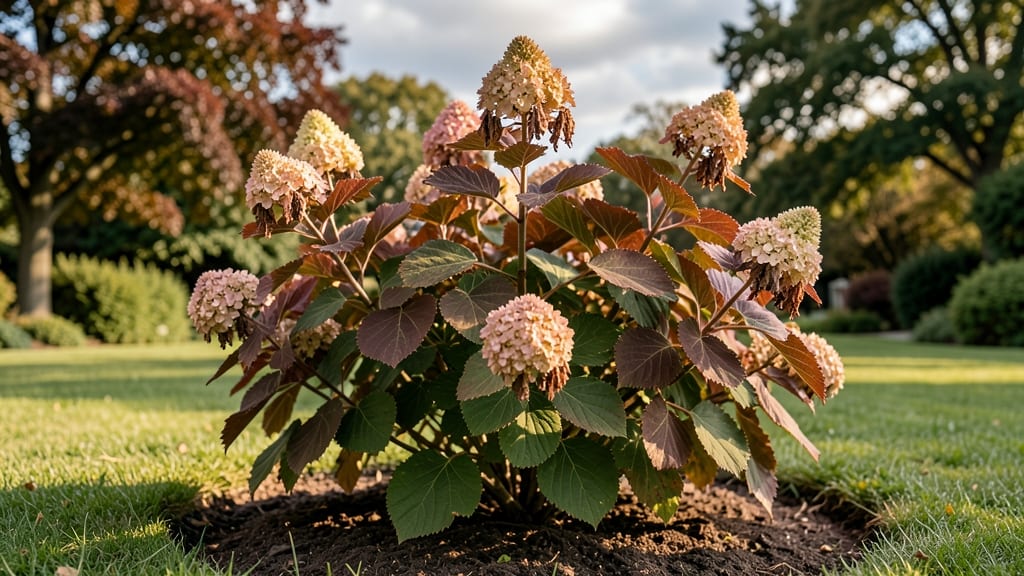
Fall transforms your hydrangea tree into a living masterpiece—if you prune it right. ✨ The secret to locking in those stunning autumn colors lies in minimal pruning that preserves the plant's structure while encouraging next year's blooms.
I learned this the hard way after my first aggressive trim left me with sparse growth the following spring.
Most gardeners overdo it in fall, thinking more cuts mean better shape—but hydrangeas bloom on old wood, so light pruning is key. Grab your shears and focus on removing only dead branches and crossing stems. This keeps the tree healthy without sacrificing next season's vibrant blooms.
The payoff? A tree that stays lush and colorful through winter, with fewer pests and stronger growth in spring. You'll notice the difference immediately—no bare spots, just dense foliage that holds its color longer than most shrubs.
Works for all hydrangea varieties, from oakleaf to panicle types. Here's how to do it without the guesswork—no green thumb required!
📚 In This Guide
- What you need
- Instructions
- Tips and common mistakes
- Wrapping up and next steps
What you need
- ○ Pruning shears: Bypass pruners (sharp, clean, and 5-7 inch blades) for clean cuts. Optional: Loppers (8-10 inch) for thicker branches.
- ● Garden gloves: Heavy-duty, cut-resistant (e.g., mechanized or leather) to protect hands from thorns and sharp edges.
- ● Disinfectant: 70% rubbing alcohol or hydrogen peroxide (3%) to sterilize tools between cuts (prevents disease spread).
- ○ Pruning sealant: Tree wound paint (optional but helpful for 1-inch+ cuts to prevent decay).
- ● Bucket or bag: 5-gallon bucket (for clippings) or heavy-duty trash bag (for easy disposal).
- ● Ladder or step stool: Sturdy, 6-8 ft tall (if your tree exceeds 6 feet). Safety tip: Use a spotter if working high!
- ● Weather check: Prune on a dry, overcast day (avoid midday sun or rain for 24 hours before/after).
- ● Tree assessment: Identify dead, diseased, or crossing branches (mark them with twist ties if needed).
- ● Safety gear: Sunglasses (to shield from debris) and closed-toe shoes.
- ○ Optional: Sharpener (for dull pruners) and extension pole (for high branches).
Instructions for late-season hydrangea tree care
Here’s how to preserve those stunning fall blooms while preparing your hydrangea tree for winter—without over-pruning or risking next year’s growth.
🌿 Step 1: Assess Current Blooms and Growth Patterns
Start by examining your hydrangea tree’s current blooms and stems. Look for clusters that are still vibrant and healthy—these are the ones you’ll want to protect through fall. Note which stems are leafless or have already dropped blooms; these are likely dead or spent growth that can be removed now.
Use sharp, clean pruning shears to make a clean cut just above a leaf node or lateral bud on any stems that are clearly finished blooming. This prevents unsightly stubs and encourages new growth in spring. I always prune on a dry day to reduce disease risk—hydrangeas are sensitive to bacterial infections through open wounds.
✂️ Step 2: Light Pruning to Enhance Fall Color
For late-season color retention, focus on shaping rather than heavy pruning. Remove only the most overgrown or crossing branches that could crowd the center of the tree. Cut back any stems that are growing inward to improve airflow, which is critical for preventing fungal issues like powdery mildew.
Leave the majority of the branches intact—hydrangeas store energy in their stems for next year’s blooms. I like to step back and visualize the tree’s natural shape, making only the smallest necessary cuts. If you’re unsure, err on the side of caution and leave more branches; hydrangeas recover well from minimal intervention.
💧 Step 3: Water Deeply and Apply Mulch
Before the first hard frost, water your hydrangea tree deeply to ensure the roots are hydrated. Aim for 1-2 inches of water per week, delivered slowly at the base of the tree. This helps the plant prepare for dormancy with stored moisture. Avoid overhead watering in fall, as wet foliage can encourage disease.
Spread a 2-3 inch layer of mulch around the base, keeping it 3-4 inches away from the trunk to prevent rot. I use shredded bark or pine straw, which insulates the roots while allowing water to penetrate. This layer also suppresses weeds and regulates soil temperature, protecting the tree through winter’s fluctuations.
☀️ Step 4: Protect Against Frost and Wind
If your hydrangea tree is in a high-wind area, consider temporarily staking or wrapping the most delicate branches with burlap. This prevents winter damage from heavy snow or ice. I’ve seen hydrangeas snap under unexpected weight, so this extra step is worth the effort for mature trees.
For early frosts, you can also lightly spray the foliage with an anti-desiccant spray (like Wilt-Pruf) to prevent browning. This isn’t necessary for all climates, but in areas with below 20°F temperatures, it helps preserve the tree’s appearance until natural leaf drop. Always follow the product’s instructions for application timing.
⏰ Step 5: Plan for Spring with Minimal Winter Disturbance
Leave pruning shears away until late winter or early spring—this gives the tree time to heal and avoids exposing fresh cuts to winter’s harsh conditions. Mark the tree’s location with a stake or flag if you’re unsure where it’s planted, as hydrangeas can be tricky to spot under snow.
In early spring, you’ll want to prune again to remove any dead wood and shape for the season. But for now, let the tree rest. The less you disturb it, the stronger it’ll be when new growth emerges. I promise, a little patience now means bigger, brighter blooms next fall.
Tips & tricks for perfect late-season hydrangea care
To keep your hydrangea tree looking stunning through fall without compromising next year's blooms, these subtle adjustments make all the difference.
Pruning Precision: When removing spent blooms in Step 1, look for the first set of healthy leaves below the bloom cluster—this is your cutting point. I learned this the hard way after accidentally removing too much growth and stunting next year's flowers. The key is making clean cuts just above a leaf node or lateral bud, which signals the plant where to grow new shoots.
Seasonal Watering Strategy: The 1-2 inches of water per week mentioned in Step 3 should be delivered in the morning to allow foliage to dry completely before evening. This prevents fungal spores from taking hold in damp conditions. I've seen hydrangeas develop powdery mildew when watered in the evening, so timing matters just as much as quantity.
Mulch Application Technique: When applying your 2-3 inch mulch layer in Step 3, avoid piling it against the trunk—keep that 3-4 inch clearance to prevent moisture buildup that can cause rot. I use a rake to create a gentle slope away from the trunk, which also helps with drainage during spring rains.
Frost Protection Insight: For areas experiencing below 20°F temperatures mentioned in Step 4, consider adding a layer of straw mulch around the base after applying your regular mulch. This extra insulation can make a significant difference in protecting tender roots during extreme cold snaps. I've found this particularly helpful for younger trees still establishing their root systems.
Pro Tips for Hydrangea Tree In Fall
- To keep your hydrangea tree looking stunning through fall without compromising next year's blooms, these subtle adjustments make all the difference.
- Pruning Precision: When removing spent blooms in Step 1, look for the first set of healthy leaves below the bloom cluster—this is your cutting point.
- Seasonal Watering Strategy: The 1-2 inches of water per week mentioned in Step 3 should be delivered in the morning to allow foliage to dry completely before evening.
Frequently asked questions
Got questions about keeping your hydrangea tree vibrant in fall?
Here are answers to the most common concerns—from timing to troubleshooting—so you can enjoy that stunning late-season color with ease!
When is the best time to prune a hydrangea tree in fall?
Prune your hydrangea tree after the first hard frost (typically late fall) but before winter dormancy sets in. This timing removes dead blooms while protecting next year’s buds. Avoid pruning too early—you’ll risk encouraging new growth that won’t survive frost. Aim for November or early December in most climates.
Will pruning in fall affect next year’s flowers?
Not if you do it right! Hydrangea trees (like oakleaf or panicle types) bloom on new wood, so late pruning won’t harm future flowers. Just avoid cutting back into old wood—focus on shaping and removing dead stems. For bigleaf hydrangeas (which bloom on old wood), minimal pruning is best; stick to cleanup cuts only.
Can I use the same pruning tools year-round?
Yes, but sterilize them first! Disinfect blades with rubbing alcohol or a 10% bleach solution between uses to prevent disease spread. Fall is a great time to sharpen tools too—dull shears can tear bark, inviting pests. Store them in a dry place to avoid rust over winter.
What if my hydrangea tree loses leaves early in fall?
Early leaf drop is usually normal, but check for stress signs like yellowing or wilted stems. If leaves fall before frost, your tree might need:
- More water (but avoid soggy soil).
- Protection from wind (use burlap or a temporary windbreak).
- A light mulch layer (2–3 inches) to insulate roots.
Are there fall-pruning alternatives if I miss the window?
Don’t worry—you can prune in early spring (just before buds swell) or even late winter. Avoid heavy pruning in summer, as it stresses the tree. For a quick fix, remove only dead or crossing branches anytime, but save major shaping for fall or spring.
Why do I see bugs on my hydrangea tree in fall?
Fall pests like aphids, spider mites, or scale insects are common as trees prepare for winter. Blast them off with a strong water spray or use insecticidal soap. For heavy infestations, apply a systemic insecticide before winter dormancy. Healthy trees (well-watered and pruned) resist pests better!
Wrapping up and next steps
Fall is the perfect time to unlock stunning hydrangea tree color with just a little care! By following minimal pruning and seasonal tips, you’ll keep your tree vibrant and healthy—without the guesswork.
Whether you’re a pruning pro or a beginner, these steps make it simple to enjoy those show-stopping blooms year after year.
Ready to dive in? Grab your tools and review the essentials—then get pruning! Your hydrangea tree will thank you with a dazzling autumn display. 🍂✨