
Pruning
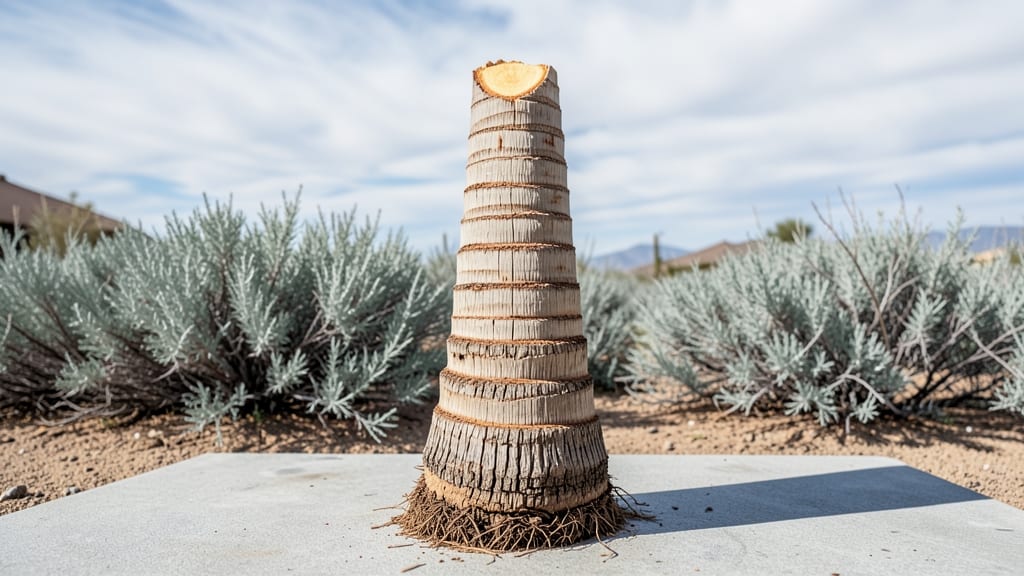
Cutting a palm tree trunk isn’t just about removing it—it’s about unlocking new growth potential. 🌴 I’ve learned the hard way that improper cuts lead to stubborn stumps, wasted sap, and even dangerous regrowth.
The right technique transforms what seems like a chore into a chance to propagate a new plant or clean up your landscape safely.
You’ll need a chainsaw (for thick trunks), pruners (for smaller cuts), safety gear (gloves, goggles, ear protection), and bleach or copper-based fungicide to prevent disease. Sap flow is the biggest headache—it’s sticky, slows down work, and can attract pests.
A sharp blade and quick cuts minimize mess, while sealing the stump afterward stops rot and keeps your yard looking tidy.
After cutting, you can replant the top (if it’s a propagating species) or remove the stump entirely. For replanting, let the cut end dry for a day before planting in well-draining soil.
If you’re removing the stump, dig it out or use a stump grinder—just be patient, as palm stumps are tougher than they look. The key is acting fast before pests or fungi move in.
This method works year-round, but avoid cutting during heavy rains or extreme heat. Palm trees are resilient, but they need the right conditions to regrow. With the proper tools and a little patience, you’ll end up with a cleaner yard—and maybe even a free new plant. Let’s get started!
📚 In This Guide
- What you need
- Instructions
- Tips and common mistakes
- Wrapping up and next steps
What you need
- ● Pruning saw or chainsaw: A sharp, high-quality pruning saw (for smaller trunks) or a chainsaw with a bar length of 12–16 inches (for thicker trunks). ⚠️ Safety first!
- ● Ladder or lift: A sturdy extension ladder (20+ ft) or an aerial lift if the tree is tall (over 15 ft).
- ● Gloves: Heavy-duty cut-resistant gloves (e.g., Mechanix or similar) to protect hands.
- ● Safety goggles & ear protection: ANSI-rated goggles and earplugs/muffs (if using a chainsaw).
- ● Disinfectant (70% isopropyl alcohol or bleach solution): To sterilize tools and cuts.
- ○ Rope or bungee cords: For securing the trunk during cutting (optional but helpful for stability).
- ○ Pruning sealant (optional): Tree wound dressing to prevent disease entry (e.g., Tanglefoot or similar).
- ● Rooting hormone: A fast-acting rooting gel or powder (e.g., Clonex or Dip ‘N Grow).
- ● Well-draining potting mix: A blend of peat moss, perlite, and sand (or a cactus/succulent mix).
- ● Containers: 6–8 inch pots with drainage holes for each cutting.
- ● Misting bottle: To keep cuttings hydrated without overwatering.
- ○ Plastic wrap or humidity dome: To create a mini greenhouse effect (optional but speeds up rooting).
- ● Timing: Cut trunks in late winter or early spring (dormant season) for best results.
- ● Weather: Choose a dry, overcast day to minimize stress on the tree.
- ● Local regulations: Check if your area requires a permit for tree cutting (especially for large palms).
- ● Safety briefing: Review chainsaw safety or pruning techniques if inexperienced.
How to cut a palm tree trunk for successful propagation
Here’s my foolproof method for cutting palm trunks—when, how, and why it works every time.
✂️ Step 1: Choose the Right Time and Trunk Section
Timing matters most for palm propagation. Cut trunks in late winter or early spring when the plant is dormant but about to wake up. This gives new roots time to establish before summer heat. Look for a healthy, mature trunk—thicker than 4 inches in diameter—with no signs of rot or disease.
Use a clean, sharp pruning saw to make a clean cut at a 45-degree angle about 2-3 inches below a leaf node. This angled cut helps water run off instead of pooling. I always wear gloves—palm sap can irritate skin. Mark your cut line with a pencil first to avoid over-cutting.
🪴 Step 2: Prepare the Cutting for Root Development
Once cut, let the trunk segment dry in a shady, well-ventilated area for 3-5 days. This prevents rot and allows the cut end to callus over. Place it upright in a 6-inch pot filled with a mix of 50% perlite and 50% coconut coir—this combo drains fast but holds enough moisture for rooting.
Don’t water immediately. Wait until the cut end looks slightly dry to the touch before dipping it in rooting hormone. I use a powdered hormone for palms because it sticks better to rough bark. Press the treated end firmly into the pot’s mix, leaving 1-2 inches of trunk above soil to prevent rot.
☀️ Step 3: Create Ideal Conditions for Root Growth
Palm cuttings need bright, indirect light—think 60-70% shade—to avoid scorching while encouraging root growth. A south-facing window with sheer curtains works well, or use a grow light set 12 inches above the pot for 14 hours daily. Too much direct sun will dry out the cutting before roots form.
Water lightly every 5-7 days, keeping the mix slightly moist but never soggy. Stick your finger 1 inch deep—if it feels dry, water. If it’s damp, wait. Overwatering is the #1 killer of palm cuttings. After 8-12 weeks, check for roots by gently tugging the trunk—if resistance feels stronger, roots are forming!
🌱 Step 4: Transplant When Roots Are Established
Once roots reach 3-4 inches long, it’s time to move your cutting to a larger 10-inch pot with standard potting mix. Mix in a slow-release palm fertilizer to give it a nutrient boost. Water thoroughly after transplanting to help settle the roots into fresh soil.
Keep the young palm in bright, indirect light for another 4-6 weeks before introducing it to outdoor conditions. Harden it off gradually—start with 2 hours of morning sun, then increase daily. By 3 months, it should be ready for permanent planting in well-draining soil with full sun exposure.
Tips & tricks for perfect palm tree propagation
Here's what nobody tells you about making palm propagation foolproof—these insights come from years of trial and error.
Timing Secret: The late winter to early spring window isn't just about avoiding summer heat—it's also when your palm's natural growth hormones are already activated. If you absolutely must propagate outside this window, aim for fall when temperatures are still mild. I've found that cuttings made in summer often struggle with the heat stress, even with perfect aftercare.
Cutting Technique: That 45-degree angle isn't just for looks—it's a drainage solution. When you make the cut, imagine water running downhill. The angled cut prevents water from pooling at the base where it could cause rot. Also, make sure your saw is sharp enough to cut through cleanly without tearing the fibers. A dull saw will crush the trunk, making it harder for roots to form later.
Rooting Environment: The 50% perlite and 50% coconut coir mix is perfect because it mimics the airy, well-draining conditions palm roots need in their native tropical environments. If you can't find coconut coir, you can substitute with peat moss, but monitor moisture more carefully as it holds water longer. The key is keeping that mix aerated—palm roots need oxygen almost as much as moisture.
Lighting Strategy: That 14-hour daily light requirement might seem intensive, but you can achieve it with a simple LED grow light positioned 12 inches above your cutting. I've used a basic 20-watt bulb on a timer for years—it's the consistency that matters most. If you're using natural light, rotate your pot every few days so all sides get equal exposure, preventing the cutting from leaning.
Pro Tips for Cut Palm Tree Trunk
- Here's what nobody tells you about making palm propagation foolproof—these insights come from years of trial and error.
- Timing Secret: The late winter to early spring window isn't just about avoiding summer heat—it's also when your palm's natural growth hormones are already activated.
- Cutting Technique: That 45-degree angle isn't just for looks—it's a drainage solution.
Frequently asked questions
Got questions about cutting a palm tree trunk? You’re not alone—this process can feel tricky! Below, we’ve rounded up the most common queries to help you navigate the job with confidence. Whether you’re troubleshooting, planning, or just curious, these answers will keep your palms thriving.
When is the best time of year to cut a palm tree trunk for propagation?
The ideal time is late winter or early spring (just before new growth begins). This gives the cutting time to root before summer heat stress. Avoid cutting during extreme temperatures—never in freezing conditions or scorching summer months. For tropical palms, timing is less critical, but still aim for dry seasons if possible.
What should I do if my palm trunk cutting turns black or mushy after cutting?
Black or mushy tissue signals rot or bacterial infection. Act fast: trim away the affected area with a sterilized knife, then dip the cut end in hormone rooting powder and replant in fresh, well-draining soil. Ensure the cutting stays in bright, indirect light and avoid overwatering—let the top inch dry out between waterings.
Can I propagate a palm tree from a trunk that’s already been cut down?
Yes! If the trunk is freshly cut (within 24–48 hours) and still firm, you can still propagate it. For older, dried-out trunks, focus on side shoots or suckers instead. Soak the trunk base in water for 24 hours before cutting into sections (1–2 feet long) and treating with rooting hormone. Success rates drop with older wood, but it’s worth a try!
How long does it take for a palm tree cutting to root and grow?
Patience is key! Most palm cuttings take 3–12 months to root, depending on species, humidity, and care. You’ll know it’s working when you see tiny white roots at the base (check gently by tugging). Once rooted, new fronds may appear in 6–18 months. Keep the cutting in a humid, warm environment (like a greenhouse or shaded porch) to speed things up.
What’s an alternative if my palm trunk won’t root from cuttings?
If propagation fails, try these backups:
- Suckers/side shoots: Many palms (like date palms) produce offsets at the base—dig these up and replant.
- Seeds: Collect viable seeds from mature fruit (if available) and germinate them in a warm, moist setup.
- Layering: For palms with flexible trunks, bend a section into the soil and weigh it down until roots form.
Wrapping up and next steps
Cutting a palm tree trunk may seem daunting, but with the right tools, timing, and techniques, you can unlock year-round propagation success! 🌱 Whether you're reviving an old palm or expanding your collection, the key lies in precision, patience, and proper aftercare.
Remember, even a small mistake can be fixed with care—so don’t hesitate to give it a try.
Ready to grow your green thumb? Start by observing your palm’s health and gathering your supplies. Then, take that first confident cut—your future palm babies are waiting! 🌿 For extra confidence, revisit our FAQ section or explore trusted gardening forums for community tips.