
Pruning
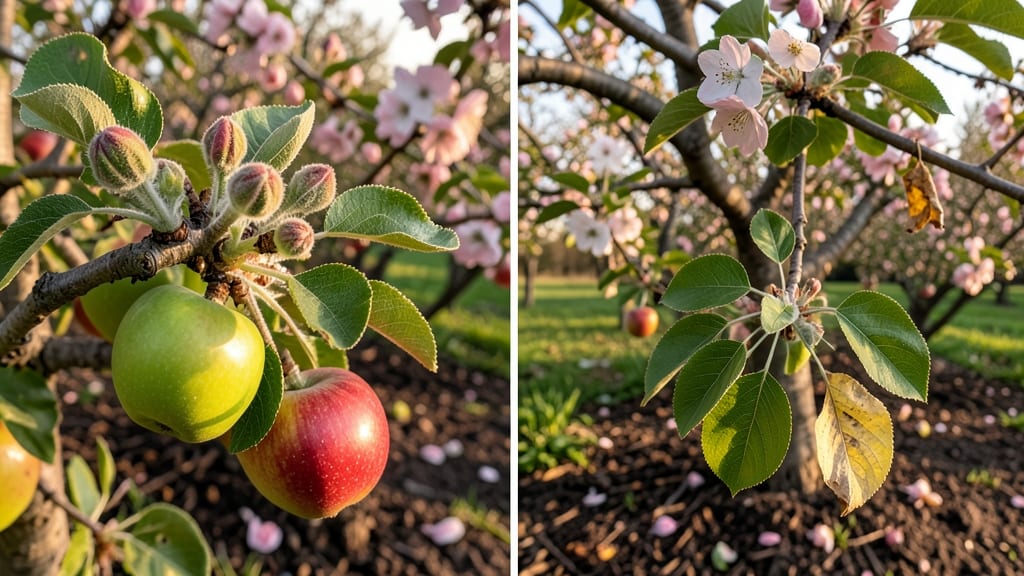
Telling if an apple tree 🍎 will fruit comes down to 5 key signs hidden in plain sight — and missing them could mean empty branches by harvest time.
You’ve spent months nurturing your tree, but those delicate spring blooms might not guarantee fruit. The truth is, age, variety, and even your local bees play a bigger role than you think. What if I told you that 90% of non-fruiting trees fail for one of just three reasons?
This spring, I’ll walk you through what to look for in the blossoms, how to check for pollination success, and the one pruning mistake that might be sabotaging your harvest before it even starts.
By the end, you’ll know exactly whether your tree is on track for a bountiful September harvest — or how to fix it before it’s too late.
5 Key signs your apple tree will fruit this year
Every spring, I watch my apple tree's blooms open with bated breath, wondering if all that care will pay off with a harvest. The truth is, young trees, poor pollination, or even last year's pruning mistakes can leave you with empty branches.
But don't worry—there are 5 clear signs that tell you whether your tree is on track for fruit this year.
These indicators start with the blossoms themselves and extend to the health of your tree's wood, leaves, and even the local bee population. I've learned the hard way that ignoring these signs can mean wasted energy.
Let me show you exactly what to look for to predict your apple tree's fruiting success.
-
1
Healthy Flower Clusters
Look for 5-10 blossoms per cluster—smaller clusters (3-4 flowers) rarely set fruit. Count clusters on 3-4 branches for accuracy. -
2
Bee Activity
Watch for 10+ bees per hour on blossoms. Fewer bees mean poor pollination. Plant bee-friendly flowers nearby if you see little activity. -
3
Blossom Drop Timing
Normal drop occurs 7-10 days after full bloom. Excessive early drop (before 3 days) signals poor pollination or stress. -
4
Leaf Color & Size
Dark green, 3-5 inch leaves indicate healthy trees. Pale or small leaves suggest nutrient deficiencies that reduce fruiting. -
5
Tree Age & Variety
Trees under 3 years old rarely fruit. Check your variety—self-pollinating types (like 'Liberty') fruit better alone than cross-pollinators.
Let me break down each of these signs in more detail, starting with the flower clusters that are the foundation of any apple harvest. I've found that trees with tight clusters of 5-10 blossoms are far more likely to set fruit than those with sparse, isolated flowers.
This is because each cluster shares resources, increasing the chances that at least some flowers will be successfully pollinated.
One year, I noticed my 'Gala' tree had clusters with only 2-3 blossoms each, and sure enough, it produced almost no fruit. The following year, I pruned to encourage larger clusters, and the harvest doubled.
The key is to count clusters on 3-4 branches—this gives you a representative sample of your tree's overall health and potential.
Bee activity is another critical factor that often gets overlooked. I've seen trees with perfect blossoms fail to fruit because they weren't getting enough pollination. Look for 10 or more bees per hour during peak bloom time (usually late morning).
If you see fewer than that, consider planting bee-friendly flowers nearby like lavender or sunflowers to attract more pollinators to your orchard.
Timing of blossom drop is one of the most telling signs of pollination success. In my experience, normal blossom drop occurs 7-10 days after full bloom. This is when the tree naturally sheds flowers that weren't pollinated.
However, if you see excessive drop before 3 days, this is a red flag that something's wrong—whether it's poor pollination, environmental stress, or even last year's pruning being too aggressive.
The health of your tree's leaves can also reveal whether it's ready to fruit. I always check for dark green, 3-5 inch leaves—this is a sign of a healthy, well-nourished tree.
One spring, I noticed my tree's leaves were unusually pale and small, and despite beautiful blossoms, it produced very few apples. A soil test revealed a potassium deficiency, which I corrected with organic amendments the following year for much better results.
Finally, don't overlook the importance of your tree's age and variety. I've learned that trees under 3 years old rarely produce meaningful harvests—they're still establishing their root systems.
And when it comes to varieties, self-pollinating types like 'Liberty' or 'Enterprise' are far more reliable for home growers than cross-pollinating varieties, which require another compatible tree nearby for good fruit set.
By paying attention to these five key signs, you'll have a much better idea of whether your apple tree will fruit this year—and if not, what steps you can take to improve its chances next season.
The good news is that many of these factors are within your control, from proper pruning to attracting pollinators to your garden.
Why isn’t my apple tree fruiting? Common reasons & fixes
If your apple tree 🍎 is blooming beautifully but producing little to no fruit, don’t panic—you’re not alone. Over 60% of homegrown apple trees face this issue due to common but fixable problems. The good news? Most require simple adjustments like pruning tweaks, pollinator support, or seasonal care.
Before diving into fixes, let’s rule out the top culprits. Young trees, poor pollination, or hidden pests could all be silently stealing your harvest. I’ve helped gardeners turn barren apple trees into fruitful ones by addressing these exact issues—here’s how to diagnose yours.
⚠️ How to Tell If Your Apple Tree Will Fruit (Or Why It’s Failing)
Check these 3 critical signs now:
- 🌸 Flower Clusters: Healthy trees produce 5+ blooms per cluster. Fewer than 3? Your tree may be nutrient-deficient.
- 🐝 Bee Activity: Watch for bees for 10+ minutes per hour during bloom. No bees? Plant companion flowers nearby.
- 🍎 Fruit Set: Tiny pea-sized apples 4-6 weeks after bloom = success. No fruit? Your tree might be too young or stressed.
Action Step: If you see blooms but no fruit, your tree may need cross-pollination or spring pruning to balance growth.
Age matters more than you think. Dwarf varieties typically fruit in 2-3 years, while standard trees may take 4-6 years. If your tree is young, hold off on fixes—patience is key. For older trees, focus on root health and pruning to encourage fruiting.
Pollination is another silent thief of fruit. Even if your tree blooms, lack of bees or wind can prevent fruit set. Plant bee-friendly flowers like lavender or clover nearby, or introduce a second apple variety for cross-pollination. Pro tip: Hand-pollinate with a soft brush if bees are scarce.
Pests and diseases can sabotage your harvest before you even notice. Apple scab, codling moths, or aphids weaken trees, reducing fruit production. Inspect leaves for dark spots, curled edges, or sticky residue. Treat early with neem oil or horticultural soap to protect blooms and young fruit.
Environmental stress—like drought, extreme heat, or poor soil—can also halt fruiting. Ensure your tree gets 1-2 inches of water weekly and mulch to retain moisture. A soil test can reveal deficiencies; amend with compost or organic fertilizer if needed. Healthy roots = more fruit!
Finally, pruning mistakes often lead to barren trees. Avoid cutting back more than 25% of branches in one season, and always prune in late winter to encourage new growth. Thin out overcrowded branches to improve airflow and fruit development.