
Propagation
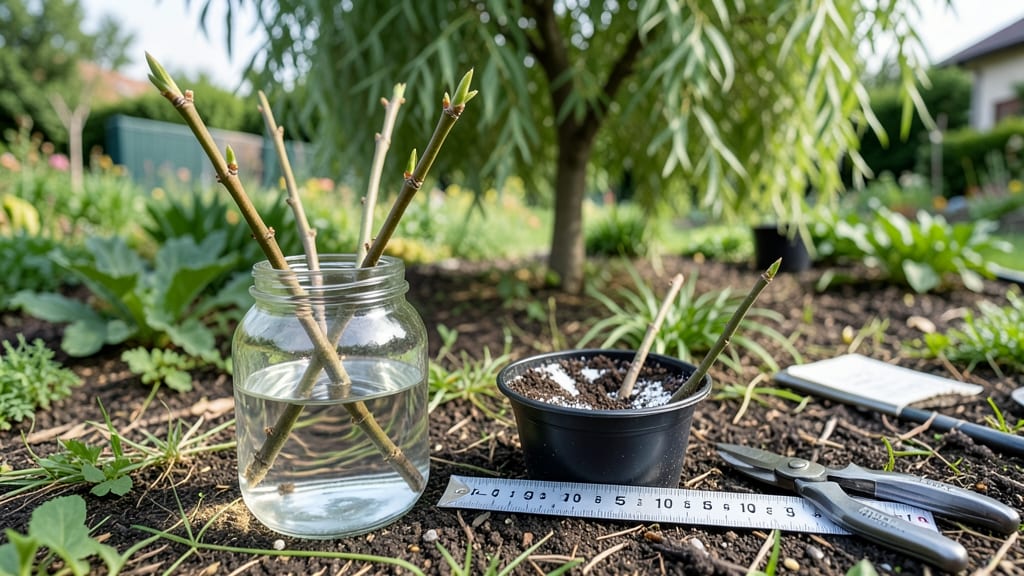
Rooting willow cuttings is one of the fastest ways to grow new trees—some sprout roots in just 2-3 weeks. 🌱 I’ve propagated willows for years, and the secret lies in timing, sharp cuts, and patience.
These trees are eager rooters, but they need the right conditions to avoid rot or stunted growth.
You’ll need basic supplies: clean pruners, a bucket of water or moist soil, and willow stems about 12-18 inches long. Cut them in late winter or early spring when sap is flowing but before new leaves appear.
Willow cuttings root easily in water, but soil methods work too for quicker outdoor growth.
Once rooted, you’ll see new growth within weeks—not months. The key is keeping cuttings moist (not soggy) and in partial shade until they establish. Willow roots are aggressive, so transplant carefully to avoid breaking them.
This method works for weeping willows, pussy willows, and other fast-growing varieties. Whether you’re restoring a riverbank or adding shade, willow cuttings deliver quick, dramatic results. Let’s get those stems growing!
📚 In This Guide
- What you need
- Instructions
- Tips and common mistakes
- Wrapping up and next steps
What you need
- ● Healthy willow cuttings: 4–6-inch-long, pencil-thick stems (green or semi-hardwood, taken in late winter or early spring).
- ● Sharp pruning shears or a clean knife: Sterilized to prevent disease (rubbing alcohol or bleach wipe works!).
- ● Container for water rooting: Clear glass jar (16–24 oz) or vase with a narrow neck.
- ○ Optional: Small pebbles or marbles to weigh down cuttings and keep them submerged.
- ○ Rooting hormone (optional but helpful): Powder or gel (e.g., Rootone or Clonex) to boost root growth.
- ● Soil mix for soil rooting: Well-draining potting mix (e.g., 50% perlite + 50% peat moss or coconut coir).
- ○ Optional: Perlite or vermiculite for extra aeration.
- ● Small pots or seed trays: 4–6 inch diameter with drainage holes (for soil propagation).
- ● Plastic wrap or humidity dome: To create a mini greenhouse effect (if rooting in soil).
- ● Spray bottle: For misting cuttings and maintaining humidity.
- ● Water: Room-temperature, chlorine-free (let tap water sit out for 24 hours or use filtered water).
- ● Bright, indirect light: Place cuttings near a sunny window (avoid direct sunlight, which can overheat water).
- ● Warmth: Ideal temperature range: 65–75°F (18–24°C).
- ● Patience: Willow cuttings can root in 2–4 weeks (water) or 4–8 weeks (soil)!
Step-by-step instructions for rooting willow tree cuttings
Willow cuttings root faster than most trees—here’s how to turn stems into thriving plants in just weeks.
🌱 Step 1: Select and Prepare Healthy Stems
Choose 4-6 foot long willow branches that are 1-2 inches thick and free of disease or damage. The best time to harvest is late winter or early spring, just as buds begin to swell. Use clean, sharp pruners to make a 45-degree cut just above a node (the small bump where leaves attach). This angled cut increases surface area for root formation.
Remove any leaves from the lower 6 inches of the stem—these will rot underwater or in soil. Store cuttings in a cool, dark place until ready to root. If you can’t process them immediately, wrap the cut ends in a damp paper towel and place in a plastic bag for up to 2 weeks.
💧 Step 2: Root in Water or Soil
For water rooting, fill a clean glass or jar with room-temperature water (never tap water—chlorine can harm roots). Submerge the cut end 2-3 inches deep, ensuring no leaves touch the water. Change the water every 3-4 days to prevent bacterial growth. In 4-6 weeks, you’ll see white, fuzzy roots emerging—this is your signal to transplant.
For soil rooting, mix equal parts perlite and potting mix in a container. Dip the cut end in rooting hormone (optional but speeds growth), then insert the stem 3 inches deep into the moist mix. Keep the soil consistently damp (not soggy) by misting daily. Roots typically form in 6-8 weeks, though willows can surprise you with faster growth.
☀️ Step 3: Encourage Root Growth with Light and Humidity
Place your cuttings in bright, indirect light (no direct sun yet). Willow roots thrive in 65-75°F temperatures, so avoid drafts or heating vents. If using water, add a clear plastic bag over the jar to maintain humidity—condensation on the bag means you’ve got the moisture right. For soil-rooted cuttings, cover with a humidity dome or plastic wrap until roots establish.
Watch for new leaves at the top of the stem—this confirms the cutting has successfully rooted. If leaves yellow or wilt, reduce water (for water-rooted cuttings) or check soil moisture (for soil-rooted). Overwatering is the #1 killer of willow cuttings, so always check soil dampness before watering.
🪴 Step 4: Transplant to Soil When Roots Are Strong
Once roots reach 2-3 inches long (for water-rooted) or you see new growth at the top (for soil-rooted), it’s time to move your cutting to soil. For water-rooted cuttings, gently rinse off any algae from the roots and plant in a 5-gallon pot with well-draining potting mix. Press soil firmly around the stem to eliminate air pockets.
Hardening off takes 1-2 weeks: gradually expose the transplant to outdoor conditions for 1-2 hours daily, increasing time as the plant adjusts. After 2 weeks, plant outdoors in moist, well-drained soil with partial sun. Willows love water, so keep the root zone consistently moist for the first month after transplanting.
Tips & tricks for fast-germinating willow cuttings
Willow cuttings are one of nature's fastest rooters—here's how to maximize their natural speed and avoid common pitfalls that slow things down.
Timing is Everything: Harvest cuttings during late winter or early spring when buds begin to swell. This timing aligns with the tree's natural growth cycle, ensuring your cuttings are packed with stored energy for rapid root development. If you must store them temporarily, the 2-week window in a damp paper towel is critical—any longer risks drying out the cut ends, which delays root formation by up to 3 weeks.
Water Quality Matters: Never use tap water for water rooting—chlorine can stunt root growth by up to 50%. Let tap water sit uncovered for 24 hours before using, or use filtered water. The 3-4 day water change schedule is non-negotiable: stagnant water breeds bacteria that can rot your cuttings before roots even form. I've seen cuttings that looked perfect after 3 weeks suddenly fail because of neglected water changes.
Light and Temperature Balance: Willow cuttings thrive in 65-75°F temperatures, but they need the right light balance too. Bright indirect light prevents leggy growth while maintaining root vigor. I've found that placing cuttings near an east-facing window gives them the perfect morning sun without the harsh afternoon heat. The plastic bag humidity trick works wonders—just check for condensation daily to ensure proper moisture levels without creating a moldy environment.
Transplanting Cues: The 2-3 inch root length guideline is your best indicator for transplanting water-rooted cuttings, but don't ignore the visual cues. Healthy roots should look white and fuzzy, not brown or mushy. For soil-rooted cuttings, new top growth is your confirmation signal—this means roots have established enough to support photosynthesis. I've transplanted too early before, and those cuttings struggled to adapt to soil conditions.
Pro Tips for Root Willow Tree Cuttings
- Willow cuttings are one of nature's fastest rooters—here's how to maximize their natural speed and avoid common pitfalls that slow things down.
- Timing is Everything: Harvest cuttings during late winter or early spring when buds begin to swell.
- Water Quality Matters: Never use tap water for water rooting—chlorine can stunt root growth by up to 50%.
Frequently asked questions
Got questions about rooting willow tree cuttings?
You’re not alone! Here are answers to the most common queries to help you succeed with this easy and rewarding propagation method.
Can I root willow cuttings in water or soil?
Both methods work! Willow cuttings thrive in water (great for quick roots) or moist soil (better for long-term growth). Water speeds up rooting but may stunt growth later—soil mimics natural conditions. Try both to see what suits your setup!
How long does it take for willow cuttings to root?
Willows are fast growers—expect roots in 1–3 weeks in water or 2–4 weeks in soil. Keep the cuttings warm (60–75°F) and moist. Patience pays off, but don’t wait too long—transplant once roots reach 1–2 inches.
Can I root willow cuttings in winter?
Willows are dormant in winter, so avoid cutting in freezing temps. Aim for late fall to early spring (just before buds swell) or summer (when growth is active). If you must try winter, use a heated propagator or indoor setup to keep conditions ideal.
What if my willow cuttings rot instead of rooting?
Rotting usually means too much moisture or poor airflow. Trim soggy stems, reduce water, and ensure good drainage. Use fresh, sterile cuttings (not woody) and avoid overcrowding. A 1:1 water-to-rooting hormone dip can also help!
Can I root willow branches from any tree?
Most native willows (like weeping willow or pussy willow) root easily, but avoid hybrid or mature wood—it’s harder to root. Stick to 1–3 year-old stems with green or brown bark. If unsure, test a few cuttings!
Wrapping up and next steps
Rooting willow tree cuttings is a rewarding way to propagate fast-growing, versatile trees with minimal effort! By following these simple steps—whether in water or soil—you’ll soon have thriving saplings ready to plant. Remember: patience and consistency are key, but the results are worth it. 🌱
Now that you’re armed with the know-how, why not take the next step? Try experimenting with different willow varieties or share your newfound skills with fellow gardening enthusiasts. Happy growing!