
Planting
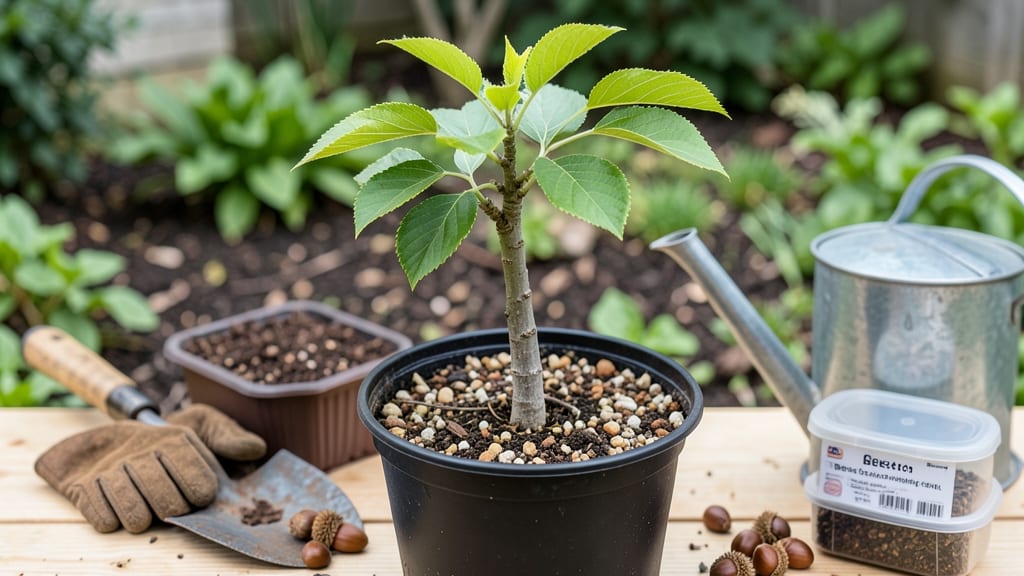
Planting beech tree seeds requires patience and a little science—cold stratification is the secret to breaking their stubborn dormancy. 🌱 I’ve struggled with these seeds before, but after three failed attempts, I discovered the exact method that finally worked: a 3-month cold period mimics winter, tricking seeds into sprouting when spring arrives.
The process starts with fresh, disease-free seeds—never store-bought ones, as they’re often pre-treated or old. You’ll need a mix of potting soil and perlite for drainage, small pots or a seed tray, and a clear plastic bag to create a humid microclimate.
The key is timing: plant in late summer or early fall so the seeds get their natural cold treatment before spring.
Once stratified, germination takes 4-8 weeks in warm, bright conditions—think fluorescent light or a sunny windowsill. Keep the soil consistently moist but never soggy, and expect tiny sprouts that grow slowly at first. These trees are slow starters but reward you with sturdy, shade-loving giants in decades.
Here’s the catch: beech seeds are fickle, and even with stratification, not all will sprout. But when they do, they’re worth the wait—imagine the towering, textured canopy you’ll nurture from a single seed. Start now, and in 10 years, you’ll have a tree that outlives you.
📚 In This Guide
- What you need
- Instructions
- Tips and common mistakes
- Wrapping up and next steps
What you need
- ● Beech tree seeds (Fagus spp.) – Collect fresh, viable seeds (or purchase from a reputable supplier). Aim for at least 10–20 seeds to increase germination odds.
- ● Cold stratification supplies: Moistened peat moss or coconut coir (1–2 cups) – Acts as a growing medium during stratification.
- ● A ziplock bag or airtight container – Large enough to hold seeds + medium (e.g., quart-sized bag).
- ○ Plastic wrap or a damp paper towel – Optional, to maintain moisture inside the bag.
- ● Planting containers: Small seedling trays or pots (3–4 inches deep) with drainage holes.
- ● Well-draining potting mix (1–2 bags, ~2–3 cubic feet total). Use a blend designed for hardwood trees or seedlings.
- ● Basic gardening tools: Small hand trowel or spoon – For gentle seed placement.
- ● Spray bottle – To mist seeds without disturbing them.
- ● Labels and markers – To track planting dates and seed varieties.
- ● Grow lights or sunny windowsill – Beech seeds need bright, indirect light (12–16 hours/day) post-stratification.
- ● Humidity dome or plastic wrap – Creates a mini greenhouse effect to retain moisture.
- ● Thermometer – Ensures your fridge/freezer stays at the ideal 34–41°F (1–5°C) for stratification.
- ● Fungicide (mild, seed-safe) – Prevents mold if seeds sit too damp during stratification.
- ● Outdoor space or larger pots – For transplanting seedlings once they’re 6–12 inches tall.
Step-by-step guide to planting beech tree seeds
Here's the method I've used to break through beech seeds' stubborn dormancy and grow sturdy saplings.
🌱 Step 1: Collect and Prepare Fresh Beech Seeds
Gather beech seeds straight from the tree in fall—they won't germinate if dried out. Look for intact nuts with smooth, glossy shells. I like to collect them after they've fallen naturally, as forced removal can damage the seed. Store them in a paper bag in your fridge until you're ready to stratify, but don't let them dry out completely.
Before stratification, give the seeds a quick soak in lukewarm water for 24 hours. This softens the hard shell and kickstarts the internal processes. You'll know they're ready when they sink to the bottom of the container—floaters won't germinate. Drain them well after soaking, as excess moisture during stratification invites mold.
❄️ Step 2: Cold Stratify for 3-4 Months
This is the critical step beech seeds refuse to skip. Fill a plastic container with a mix of moistened peat moss and perlite (equal parts), then bury the seeds 2 inches deep. Place the container in a sealed plastic bag and refrigerate at 35-40°F—your fridge's crisper drawer works perfectly. Keep the mix moist but never soggy throughout the process.
Check the seeds monthly. If you see any mold, remove those seeds immediately and adjust your moisture level—too wet is the most common failure point. After 3-4 months, the seeds should show signs of germination, with tiny roots breaking through the shell. This is your signal to move them to pots.
🪴 Step 3: Pot Up Germinated Seeds
Fill small 4-inch pots with a light, airy mix of 50% potting soil and 50% perlite. Make a small hole with your finger about 1 inch deep, then carefully place each germinated seed in its own pot. Cover the seed with about ½ inch of soil mix, pressing gently to ensure good contact but not compacting.
Water lightly from the bottom by placing the pots in ½ inch of water for 10 minutes. This prevents disturbing the delicate roots while ensuring even moisture. Place the pots in a warm, bright spot with indirect light—direct sun will scorch the tender seedlings. You'll see the first true leaves emerge in 2-4 weeks.
☀️ Step 4: Transition to Outdoor Conditions
Once seedlings have 3-4 sets of leaves and reach about 6 inches tall, it's time to harden them off. Start by moving them to a shaded outdoor spot for 2 hours daily, gradually increasing their time outside over 2 weeks. Watch for any yellowing leaves—this usually means they're getting too much sun too quickly.
After they've spent full days outside without wilting, plant them in their permanent location. Beech trees appreciate well-draining soil and partial shade, especially in their early years. Space them 10-15 feet apart to allow for their mature spread. Water deeply after planting to settle the soil around the roots.
🌿 Step 5: Long-Term Care for Young Saplings
Keep the soil consistently moist but never waterlogged during the first growing season. A 2-inch layer of mulch around the base helps retain moisture and regulate soil temperature. You'll notice new growth in spring, but be patient—beech trees grow slowly. Fertilize lightly in early spring with a balanced, slow-release fertilizer to encourage steady development.
By their third year, your saplings should be sturdy enough to handle more sunlight. Prune any dead or crossing branches in late winter to maintain a strong structure. With proper care, you'll have a mature beech tree in 20-30 years, providing shade and beauty for generations.
Tips & tricks for planting beech tree seeds
Here's what nobody tells you about breaking through beech seeds' stubborn dormancy—these tricks make all the difference.
Seed Selection Matters: Don't just grab any beech nuts! Look for seeds that are plump, intact, and have a glossy shell—these are the ones with the highest germination potential. I've learned the hard way that cracked or shriveled seeds rarely sprout, no matter how long you stratify them. Store them in a paper bag in the fridge (not plastic) to prevent moisture loss while waiting to start the process.
Stratification Setup: The 3-4 month cold stratification at 35-40°F is non-negotiable, but how you set it up matters. Use a container with drainage holes to prevent soggy conditions—water should drain freely but the mix should stay moist. I like to use a clear plastic container so I can easily check moisture levels without disturbing the seeds. If you don't have a thermostat-controlled fridge, place your container on the bottom shelf where temps stay most consistent.
Germination Check: When checking for germination after those 3-4 months, look for tiny white roots breaking through the shell—this is your green light to pot up. I've found that gently pressing the soil surface with a finger can help reveal any hidden sprouts. If you see mold at any point during stratification, remove those seeds immediately and reduce your watering frequency. The goal is damp, not wet.
Light Management: Those first 2-4 weeks after potting are critical for light exposure. Place your pots in a spot with bright, indirect light—think of it as a gentle sunbath. I've had seedlings scorch when moved too quickly to direct sunlight, so start with morning sun and gradually increase exposure. A simple trick: place pots on the east-facing windowsill to avoid harsh afternoon rays.
Pro Tips for Plant Beech Tree Seeds
- Here's what nobody tells you about breaking through beech seeds' stubborn dormancy—these tricks make all the difference.
- Seed Selection Matters: Don't just grab any beech nuts!
- Stratification Setup: The 3-4 month cold stratification at 35-40°F is non-negotiable, but how you set it up matters.
Frequently asked questions
Got questions about planting beech tree seeds?
You’re not alone! Here are some of the most common concerns—and their straightforward answers—to help you grow these majestic trees with confidence.
How long does it take for beech tree seeds to germinate?
Patience is key! After cold stratification (60–90 days in the fridge), germination can take anywhere from 30 to 90 days once planted. Keep soil consistently moist and warm (60–70°F), and you’ll likely see sprouts within 2–3 months. If nothing appears after 4 months, gently check for signs of rot or pests.
Can I skip cold stratification for beech seeds?
Not recommended! Beech seeds have a hard seed coat that requires cold, moist conditions to break dormancy. Skipping stratification may result in 0% germination. If you’re short on time, try soaking seeds in warm water for 24 hours before stratification—it can help soften the coat slightly, but cold treatment is still essential.
Where’s the best place to plant beech tree seedlings?
Beech trees thrive in partial shade to full sun, but seedlings need protection from harsh afternoon rays. Plant them in a spot with morning sun and afternoon shade (like under mature trees). Avoid low-lying areas where water pools—beech roots hate soggy soil. A slightly elevated, well-draining location is ideal for long-term growth.
What pests or diseases should I watch for with beech seedlings?
Young beech trees are vulnerable to beech scale, borers, and fungal diseases like powdery mildew. Monitor for sticky residue (aphids), holes in leaves (borers), or white powdery spots (mildew). Treat pests with neem oil or insecticidal soap, and ensure good airflow to prevent fungal issues. Healthy soil = resilient seedlings!
Can I plant beech seeds directly outdoors in fall?
Yes, but with caution! If you plant seeds outdoors in late fall or winter, they’ll naturally undergo cold stratification. However, bury them only 1–2 inches deep in well-draining soil and mark the spot. Predators (like squirrels) may dig them up, so consider a wire mesh barrier if you’re concerned. Spring planting after stratification is often more reliable.
Wrapping up and next steps
Planting beech tree seeds with cold stratification is a rewarding way to grow these stunning trees from scratch! 🌱 By following the steps—soaking, chilling, and nurturing—you’ll boost germination rates and give your seedlings the best start. Patience and care pay off as you watch these future giants sprout into your landscape.
Now that you’re armed with the know-how, why not take the next step? Share your progress with fellow gardening enthusiasts or explore advanced care tips for young beech saplings. Happy growing! 🌿