
Planting
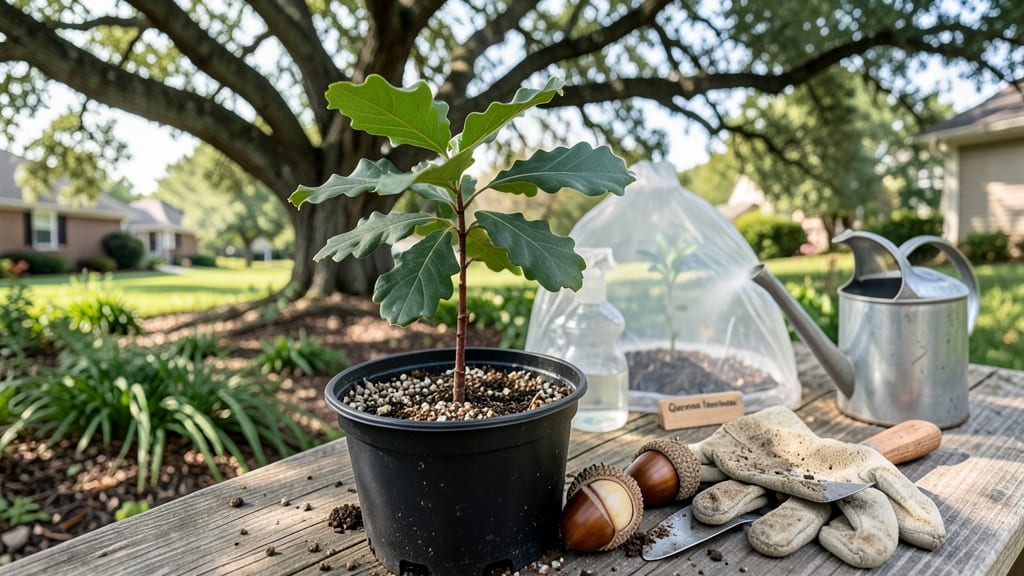
How to plant a live oak tree from acorn means decades of shade and wildlife habitat—if you do it right. 🌳 The trick isn't just dropping an acorn in the ground; it's cold-stratifying to break dormancy, then giving it the perfect home where it can grow strong roots before seeing sunlight. I've watched my own acorn-grown oaklets push through the soil after months of patience, and the payoff makes every step worth it.
The process starts with the right acorn—plump, unblemished ones from mature trees—and a 90-day cold treatment in damp sand or peat moss. This mimics winter conditions and tricks the seed into thinking spring has arrived.
While it's chilling, you're also scouting the perfect spot: full sun, well-draining soil, and protection from deer or squirrels that might dig it up. Most people skip the cold treatment and wonder why nothing happens.
When you finally plant, bury the acorn just 1 inch deep in loose soil and keep it moist but not soggy. Germination can take 2-6 months, and the first leaves will be tiny—don't expect instant oak trees.
What you're really nurturing is a root system that will one day support a 75-foot giant. The hardest part? Resisting the urge to move or disturb it once it's in the ground.
Even with perfect care, growth is slow—6-12 inches per year at first—but every milestone (first true leaves, 1-foot height, then 2) feels like a victory.
The real magic happens decades later, when your childhood sapling finally casts shade over your backyard. Here's how to set it up for that future.
📚 In This Guide
- What you need
- Instructions
- Tips and common mistakes
- Wrapping up and next steps
What you need
- ● Fresh live oak acorns: Collect at least 5-10 acorns from mature, healthy live oak trees (avoid acorns from the ground—they may already be spoiled). Choose plump, whole acorns with no cracks or holes.
- ● Cold stratification supplies: Moist peat moss or coco coir (1 small bag, ~1 quart)
- ● Ziplock bags or small containers with lids (1 per acorn)
- ● Refrigerator with a crisp drawer (or a cool, dark spot like a garage at 35–45°F)
- ● Planting containers: Small seedling pots (3–4 inches deep, 1–2 per acorn)
- ● Well-draining potting mix (1 small bag, ~1 cubic foot)
- ● Outdoor planting site (if transplanting): Full-sun location with 6+ hours of sunlight daily
- ○ Loamy, slightly acidic soil (pH 5.0–6.5; test kit optional but helpful)
- ● Garden trowel or shovel
- ● Watering tools: Spray bottle (for stratification)
- ● Watering can with a fine rose nozzle (for seedlings)
- ● Soil amendments: Compost or oak leaf mold to enrich planting soil.
- ● Mulch: Pine straw or wood chips to retain moisture and regulate temperature.
- ● Tree guard: A protective wire cage to shield young saplings from deer or pests.
- ● pH test kit: Ensures your soil is ideal for live oaks (acorns are picky!).
- ● Growth tracker: A notebook or app to log germination progress (fun for kids!).
Step-by-Step instructions for growing a live oak from acorn
Here’s the method I’ve used to grow sturdy, fast-starting live oaks—no nursery shortcuts needed.
🌱 Step 1: Collect and Prepare Acorns for Stratification
Gather fresh, plump acorns in late fall after they’ve dropped naturally. Avoid cracked or wormy ones—they won’t germinate. I soak them in water for 24 hours to soften the shell, then place each in a small container with moistened peat moss or vermiculite. Store these containers in a sealed plastic bag and refrigerate for 90-120 days—this mimics winter’s cold spell that breaks dormancy.
Check them monthly to ensure the medium stays damp but not soggy. You’ll know stratification worked when the acorn’s shell cracks open naturally—usually around January or February—revealing a tiny white root. This is your signal to move to the next step. Real talk: If you skip stratification, your acorn might sit there for years waiting for Mother Nature to do her job.
☀️ Step 2: Plant Stratified Acorns in a Nursery Pot
Fill a 4-inch nursery pot with well-draining potting mix (I use a 50/50 blend of potting soil and perlite). Plant the stratified acorn 1 inch deep, with the root pointing downward. Gently firm the soil around it—no need to pack it down, just enough to hold the acorn in place. Place the pot in a bright, indirect light spot (like an east-facing window) where temperatures stay between 65-75°F.
Keep the soil consistently moist—stick your finger in about 1 inch deep. If it feels dry, give it a light watering until moisture reaches the bottom. You’ll see the first true leaves (not the initial seed leaves) appear in 4-8 weeks. Here’s the thing—if your acorn doesn’t sprout by then, don’t give up. Some live oaks take their sweet time, but patience pays off with a stronger root system.
🌿 Step 3: Transplant Seedlings to the Ground
Once your oak seedling reaches 6-12 inches tall and has 4-6 true leaves, it’s ready for its forever home. Choose a spot with full sun and dig a hole twice as wide as the root ball but only as deep. Gently remove the seedling from its pot, loosen any tangled roots with your fingers, and place it in the hole so the top of the root ball sits 1 inch below soil level. This prevents the stem from rotting as it grows.
Backfill the hole with native soil, tamp it down lightly, and water deeply to settle everything. Mulch around the base with 2-3 inches of wood chips, keeping it 6 inches away from the trunk to prevent rot. Water weekly for the first year, aiming for 1 inch of water per week—deep soaks encourage strong roots. You’ll notice new leaves emerging in spring, signaling the tree is establishing itself. Don’t skip the mulch; it’s like a cozy blanket for young roots.
⏰ Step 4: Maintain and Protect Your Young Oak
Live oaks grow slowly but steadily. For the first 3-5 years, protect your sapling from lawnmowers, pets, and curious critters with a stake or cage if needed. I’ve seen deer nibble young oaks to the ground—trust me, it’s heartbreaking. Prune only to remove dead or crossing branches; live oaks hate heavy pruning. Let the tree grow naturally into its majestic shape.
Fertilize lightly in early spring with a balanced, slow-release fertilizer (like 10-10-10) to encourage root and top growth. Too much fertilizer burns young roots, so follow the package rates for small trees. Watch for signs of stress—yellowing leaves often mean overwatering, while crispy edges signal underwatering. Adjust your watering routine until you find the sweet spot. In 5-7 years, your oak will be tall enough to cast shade over a picnic table—worth the wait!
Tips & tricks for growing live oak trees from acorns
These little-known tricks will help you turn acorns into strong, thriving live oaks that'll last for generations.
Acorn Selection Matters: Don't just grab any acorn—look for ones that are plump, heavy for their size, and free from cracks or holes. The biggest acorns often produce the strongest trees, and avoiding wormy ones saves you from failed germination. I've learned this the hard way after wasting months on acorns that never sprouted because they were compromised. Also, collect them in late fall when they've naturally dropped—they're at their peak readiness for stratification.
Stratification Success: During the 90-120 day cold stratification period in Step 1, place a small piece of cardboard or aluminum foil between the acorn and the container wall to prevent moisture buildup on the shell. This keeps them from rotting while maintaining the right humidity. I also recommend checking your refrigerator's temperature—it should stay between 34-40°F for optimal results. The monthly dampness checks are crucial; if the medium dries out completely, your acorn might not germinate.
Lighting for Seedlings: In Step 2, while bright indirect light is ideal, you can supplement with a simple LED grow light if your windows aren't sunny enough. Position it about 6 inches above the pot and leave it on for 12-14 hours daily. I've seen seedlings grow twice as fast with this simple addition. Just avoid direct sunlight at first—it can scorch tender new leaves. The 65-75°F temperature range is important here; if your home gets cooler than 60°F, consider using a seedling heat mat underneath the pot.
Transplanting Timing: When transplanting in Step 3, wait until you see at least 4 true leaves and the seedling is 6-12 inches tall—this ensures it has enough energy reserves to handle the shock. I recommend doing this in early spring when the ground is workable but before summer heat arrives. Water the seedling thoroughly the day before transplanting to reduce stress. And here's a pro move: mix some of the original potting soil with the native soil when backfilling the hole—this helps the young roots adjust more easily to their new environment.
Pro Tips for Plant A Live Oak Tree From Acorn
- These little-known tricks will help you turn acorns into strong, thriving live oaks that'll last for generations.
- Acorn Selection Matters: Don't just grab any acorn—look for ones that are plump, heavy for their size, and free from cracks or holes.
- Stratification Success: During the 90-120 day cold stratification period in Step 1, place a small piece of cardboard or aluminum foil between the acorn and the container wall to prevent moisture buildup on the shell.
Frequently asked questions
Got questions about growing a live oak from an acorn? We’ve got answers! Here are some of the most common inquiries—plus expert tips to help you succeed.
How long does it take for an acorn to sprout?
With proper cold stratification, most acorns sprout within 4–12 weeks after planting. Some may take longer, especially if moisture or temperature isn’t ideal. Patience is key—keep the soil consistently damp and monitor for tiny green shoots!
Can I plant an acorn directly in the ground without stratification?
While possible, stratification dramatically improves germination rates. Without it, the acorn may not sprout at all—or could take years. If you skip stratification, plant in a well-draining, slightly acidic spot and keep the soil moist year-round for the best chance.
How do I know if my acorn is viable before planting?
Test viability by filling a glass with water and adding acorns. Sinkers are likely viable; floaters are not. For extra certainty, crack open a few: a plump, white embryo means it’s ready to grow! Discard shriveled or moldy acorns.
What should I do if squirrels or pests eat my acorns?
Squirrels and insects love acorns! To protect yours:
- Store acorns in a mesh bag or refrigerator (40°F) for stratification.
- Use chicken wire around planted acorns in the ground.
- Plant in fall when pests are less active.
How big should my live oak seedling be before transplanting outdoors?
Wait until the seedling has 3–4 true leaves and is at least 6–12 inches tall (usually 1–2 years old). Harden it off by gradually exposing it to outdoor conditions for 1–2 weeks before planting. Choose a sunny, spacious spot with room for its massive roots!
Wrapping up and next steps
Growing a live oak tree from an acorn is a rewarding journey that connects you to nature’s timeless cycles.
With patience, care, and the right techniques—like cold stratification—you’ll nurture a mighty tree that could thrive for centuries. Start small, stay consistent, and watch your acorn transform into a majestic oak!
Ready to take the next step? Mark your calendar for fall planting, gather your supplies, and begin your acorn adventure today. Explore more oak tree care tips to keep your young sapling thriving.