
How To
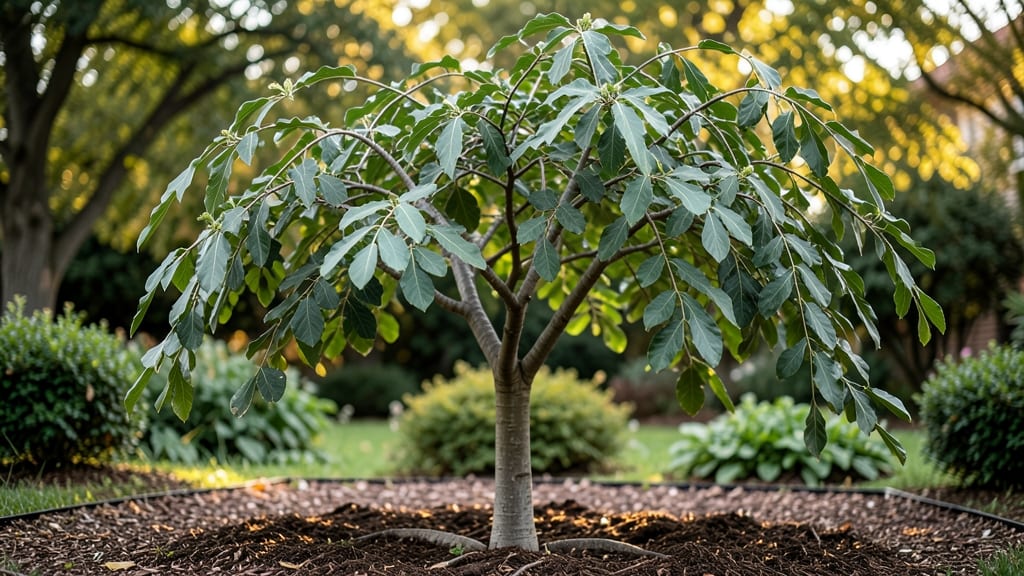
A Benjamin fig tree 🌳 can grow between 15 and 30 feet tall—that’s taller than most two-story homes—if given the right conditions, which is why so many gardeners underestimate its potential.
Picture this: You bring home a cute, compact Benjamin fig tree from the nursery, thinking it’ll stay manageable indoors. Fast-forward a few years, and suddenly, you’re dealing with a ceiling-height jungle unless you take action.
The good news? Indoor care, pruning, and even the variety you choose can drastically shrink that height—or let it soar. Below, I’ll break down how to control its growth, whether you want a tall statement plant or a compact houseplant.
You’ll also discover the exact height for popular varieties like 'Exotica' or 'Starlight,' plus the pruning secrets that keep it from becoming a vertical takeover.


Benjamin fig tree height by variety: exact mature size expectations
When choosing a Benjamin fig tree (Ficus benjamina), size expectations vary dramatically by variety and growing conditions. Without pruning, these trees can reach 20-30 feet tall in ideal outdoor settings—but indoor plants typically max out at 8-12 feet due to limited space.
The key difference lies in genetics and care, especially light exposure and pruning frequency. Let's break down the exact mature heights for popular varieties so you can plan accordingly.
Most gardeners focus on three growth categories: dwarf varieties (8-12 ft), semi-dwarf (12-18 ft), and standard types (20-30 ft). Even within the same category, indoor vs. outdoor growth can shift height expectations by 50% or more.
For example, an 'Exotica' grown outdoors may hit 15 feet, while the same plant indoors rarely exceeds 8 feet. The table below shows precise height ranges for the most popular Benjamin fig varieties.
The 'Starlight' variety grows the fastest, potentially adding 4 feet per year outdoors with ideal conditions. Meanwhile, 'Little Gem' is the slowest grower, making it ideal for small spaces. Remember: these are unpruned heights.
With regular pruning, you can reduce any variety's height by 30-50%. For example, a 15-foot 'Exotica' outdoors can be maintained at 8-10 feet with consistent trimming.
Pruning isn't just about height control—it also shapes the tree's structure. Indoor plants benefit from year-round light pruning to encourage bushier growth, while outdoor specimens can handle more aggressive pruning in late winter.
The best time to prune is just before new growth begins in spring, but you can do light maintenance trims anytime. Always use sterilized pruning shears to prevent disease spread.
Another critical factor is container size. Benjamin fig trees in small pots (under 15 gallons) rarely exceed 6 feet because root restriction stunts growth. For outdoor planting, give the tree at least 10 feet of clearance from structures and other plants to avoid future conflicts.
If you're growing near a south-facing window, expect 20-30% faster growth due to increased light exposure.
For dwarf varieties, consider 'Little Gem' or 'Midnight'—both stay under 12 feet even outdoors. These are perfect for patio gardens or large containers. If you want a statement plant without the maintenance, opt for 'Starlight' and plan for regular pruning.
The trade-off? Its variegated leaves make it a stunning focal point.
One common mistake is assuming all Benjamin fig trees grow the same. 'Exotica', for example, has a spreading habit and may need wider pruning than taller varieties. Always check the specific variety's growth habit before purchasing.
For indoor growth, supplement with a grow light if natural light is insufficient—this can add 1-2 feet per year compared to low-light conditions.
Final tip: Young trees (under 3 years) should be pruned lightly to establish a strong framework. Avoid cutting more than 20% of the foliage at once, or you risk shocking the plant.
With the right variety and care, you can enjoy a Benjamin fig tree that fits your space perfectly—whether you prefer a towering outdoor specimen or a compact indoor treasure.
🌿
How care conditions dramatically affect Benjamin fig tree height growth
The Benjamin fig tree (Ficus benjamina) can reach stunning heights—up to 30 feet outdoors—but its growth is heavily influenced by your care routine. Even indoors, this plant can grow 10-15 feet if given ideal conditions.
Understanding how light exposure, pruning habits, pot size, and humidity interact will help you control whether your tree becomes a towering giant or a manageable houseplant.
Outdoor Benjamin figs thrive in warm climates (USDA zones 10-11) where they can grow aggressively without restraint. However, indoor trees—especially in low-light spaces—often grow much slower and may never reach their full height potential. The key to managing height lies in proactive adjustments to these four critical factors.
⚠️ Height Shock Alert!
A Benjamin fig tree in full sun can grow 3 feet per year, while one in low light may only add 6 inches annually. Pruning too late in the season can also trigger uncontrolled vertical growth the following spring. Pot-bound roots (a common issue in small containers) force the tree to stretch upward for light, stunting overall health.
Light exposure is the #1 factor controlling height. Place your tree near a south-facing window for 6+ hours of direct sunlight to encourage balanced growth. Without enough light, the tree will elongate dramatically, developing weak, leggy stems. I’ve seen indoor Benjamin figs grow twice as tall when moved from a dim corner to a bright spot—proof that light makes all the difference.
Pruning frequency directly impacts height. If you skip pruning, your tree will focus energy on vertical growth rather than bushiness. Aim to prune 2-3 times per year (spring, summer, and early fall) to maintain shape and control height. Use clean, sharp pruners to cut just above a leaf node—this encourages lateral branching and prevents the tree from shooting upward uncontrollably.
Pot size plays a surprising role in height control. A root-bound Benjamin fig will grow taller and thinner as it searches for nutrients. Upgrade to a larger pot (1-2 inches wider) every 2-3 years to support healthier, more compact growth. For outdoor trees, amend the soil with compost to improve root development and reduce vertical stretching.
Humidity levels also affect height—low humidity can cause stunted growth or excessive elongation. Mist your tree daily in dry climates or place it on a pebble tray filled with water. If you notice yellowing leaves or slow growth, increase humidity immediately. A happy Benjamin fig in moderate humidity (40-60%) will grow fuller and more controlled in height.
By tweaking these four factors, you can steer your Benjamin fig tree toward your ideal height—whether you want a compact tabletop tree or a tall, elegant indoor focal point. Start with light adjustments, then refine with pruning and pot upgrades for the best results. 🌿