
How To
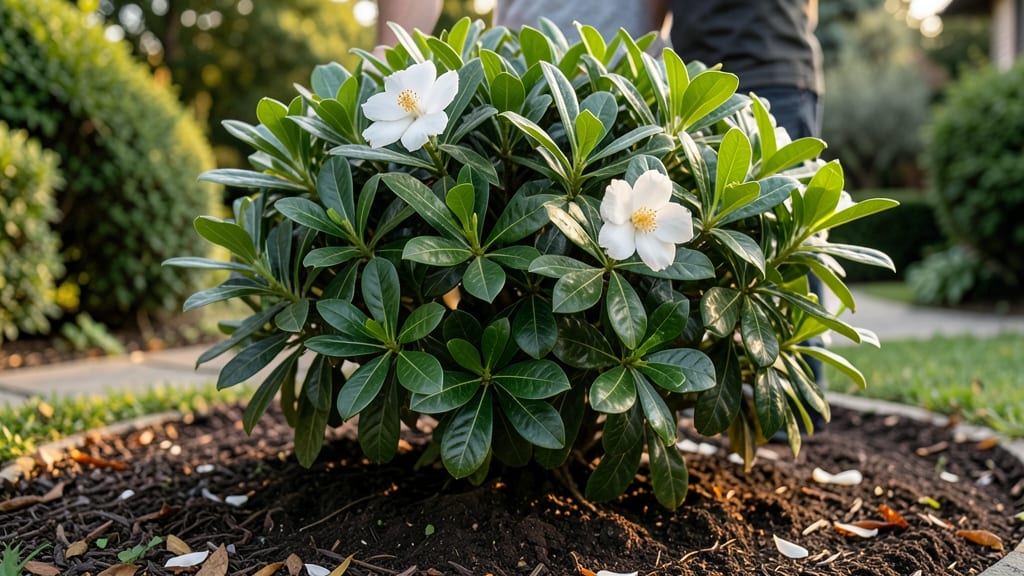
Gardenias grow as a tall tree between 6 and 15 feet at maturity, depending on the variety and care you provide—but many gardeners underestimate how quickly they can reach that height.
If you’ve ever dreamed of adding fragrant, glossy gardenias 🌸 to your landscape but worry about whether they’ll outgrow your space, you’re not alone. These tropical beauties offer stunning blooms and intoxicating scents, but their mature height can vary wildly depending on the variety and care you provide.
Some gardenias, like the popular Gardenia jasminoides, stay compact at 3 to 6 feet with proper pruning, while others, like Gardenia augusta, can tower up to 15 feet if left unchecked.
The key to controlling their size lies in understanding their growth habits and how to guide them—whether you want a bushy accent plant or a small tree.
In this guide, I’ll break down the exact heights of common gardenia varieties, share proven pruning techniques to keep them manageable, and reveal the most common mistakes that cause them to grow too tall—or fail to bloom at all.


Gardenia tree height by variety: exact mature sizes and growth habits
Choosing the right gardenia variety is key if you want to balance their stunning fragrant blooms with your garden's space. Gardenias grow as either compact shrubs or small trees, with mature heights ranging from just 3 feet to towering 15 feet.
The most popular species, Gardenia jasminoides, typically reaches 6-10 feet at maturity, but some varieties stay under 5 feet—perfect for containers or small yards.
Understanding these size differences helps you plan where to plant them. For example, Gardenia augusta grows much taller (up to 15 feet), while dwarf varieties like 'Radicans' stay under 3 feet.
Your climate and care routine also influence how quickly they grow—some varieties can add 1-2 feet per year with ideal conditions.
Here’s a quick comparison of the most common gardenia varieties and their mature sizes:
| Variety | Mature Height | Growth Rate | Growth Habit | Best For |
|---|---|---|---|---|
| Gardenia jasminoides (Common) | 6-10 ft | 1-2 ft/year | Shrub or small tree | Landscaping, hedges |
| Gardenia augusta (Large) | 10-15 ft | 2 ft/year | Tree-like | Large gardens, privacy screens |
| Gardenia radicans (Dwarf) | 3-5 ft | 6-12 in/year | Compact shrub | Containers, small spaces |
| Gardenia 'Kleim's Hardy' (Cold-Hardy) | 4-6 ft | 1 ft/year | Bushy shrub | Northern climates, borders |
| Gardenia 'Veitchii' (Tropical) | 8-12 ft | 1.5 ft/year | Tree-like | Tropical landscapes, large pots |
If you’re working with limited space, dwarf varieties like 'Radicans' or 'Kleim's Hardy' are excellent choices. These stay under 5 feet and thrive in containers, making them perfect for patios or balconies.
Even standard varieties like Gardenia jasminoides can be pruned to keep them smaller, though they’ll naturally reach their mature height without intervention.
For those in cooler climates, 'Kleim's Hardy' is a standout because it tolerates USDA Zone 7 and grows more slowly, staying manageable at 4-6 feet. In warmer zones, varieties like 'Veitchii' can grow aggressively, so regular pruning in late winter helps control their height and shape.
One common misconception is that all gardenias grow into large trees. In reality, most are shrubs or small trees, and their height is heavily influenced by pruning. If you prune back 1/3 of the plant annually, you can encourage bushier growth and slower vertical expansion.
This is especially useful for Gardenia jasminoides, which can easily reach 10 feet without pruning.
For container gardening, choose dwarf varieties or prune regularly to maintain compact growth. A 5-gallon pot can comfortably hold a 3-4 foot gardenia for several years, provided you use well-draining soil and fertilize monthly during the growing season.
Just remember: container-grown gardenias may need more frequent watering because pots dry out faster.
If you’re planning a gardenia hedge, Gardenia jasminoides is ideal because it grows densely and can be sheared to maintain a uniform height. Start with 3-4 foot spacing between plants to allow room for growth.
Over time, they’ll fill in beautifully, creating a fragrant, glossy-green barrier that blooms from spring to fall.
No matter which variety you choose, remember that gardenias thrive in acidic soil (pH 5.0-6.5) and partial shade. These conditions not
How to control gardenia tree height: pruning, training, and care tips for compact growth
Managing your gardenia tree’s height is all about strategic pruning and training—two techniques that give you full control over its growth. Without proper care, these tropical beauties can easily reach 10-15 feet, but with the right approach, you can keep them compact and manageable.
The key lies in understanding when and how to prune, combined with smart plant placement and seasonal maintenance.
For gardeners with limited space, container gardening offers the perfect solution—it naturally restricts root growth and height. However, even in-ground gardenias respond well to regular pruning and light training to maintain a bushier, more controlled shape.
Let’s break down the exact steps to achieve the height you desire, whether you want a 3-foot dwarf or a 6-foot standard specimen.
Step-by-Step Guide to Controlling Gardenia Height
- Step 1 Choose the right planting location—containers limit height to 3-6 feet, while in-ground planting allows 6-15 feet.
- Step 2 Prune in late winter or early spring to shape the tree before new growth begins—cut back 1/3 of the height for compact growth.
- Step 3 Use selective pruning to remove overgrown branches—focus on inner branches to encourage bushier growth.
- Step 4 Fertilize with acid-loving plant food in spring and summer to promote healthy, controlled growth.
- Step 5 Train young gardenias with stakes or trellises to guide growth direction and prevent legginess.
Timing is everything when it comes to pruning—late winter is ideal because it allows new growth to sprout before the blooming season. Avoid pruning in fall or winter, as this can stress the plant and reduce next year’s flowers.
If you’re growing gardenias in containers, choose pots that are only slightly larger than the root ball to naturally restrict height.
Light also plays a crucial role in height control. While gardenias thrive in partial shade, too much shade can lead to leggy growth. Place your gardenia where it receives morning sun and afternoon shade—this balances growth and flowering.
For container gardenias, rotate the pot every few weeks to ensure even sunlight exposure, which prevents one-sided growth.
Finally, don’t forget that regular maintenance is key. Remove dead or diseased branches immediately, and mulch around the base to retain moisture and regulate soil temperature.
With these tips, you’ll keep your gardenia at the perfect height—whether you want a compact shrub or a small tree—while enjoying those intoxicating blooms year after year.