
How To
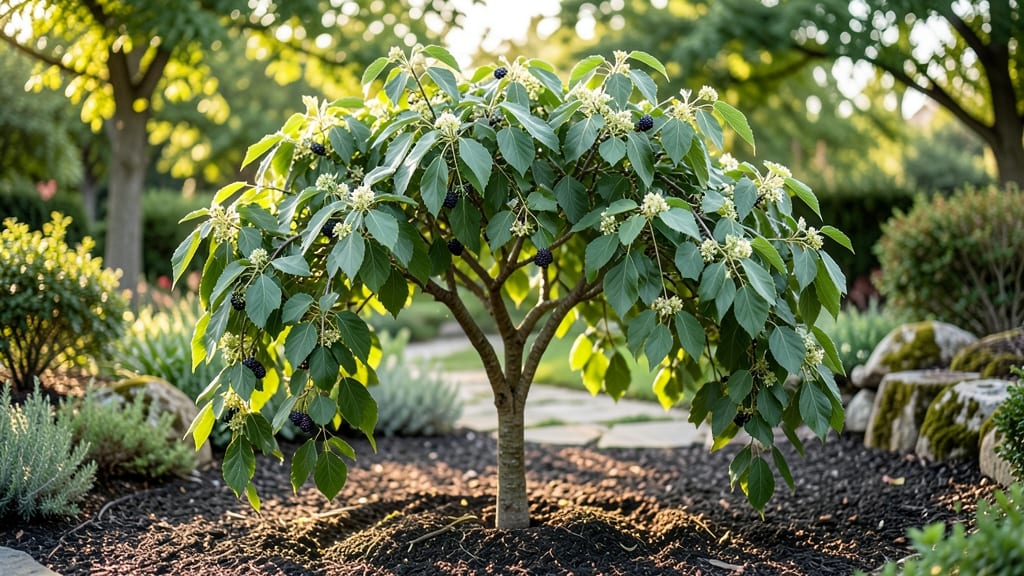
A dwarf mulberry tree grows how tall does a dwarf mulberry tree grow between 6 and 12 feet at maturity, making it the perfect fit for small yards, urban gardens, or even large containers 🌳.
If you’ve ever dreamed of enjoying fresh mulberries but assumed you needed a sprawling orchard, think again—these compact trees deliver the same sweet, juicy fruit in a fraction of the space.
But here’s the catch: not all "dwarf" varieties stay under 10 feet. Some, like the popular 'Illinois Everbearing,' max out around 8 feet, while others stretch closer to 12 feet if left unpruned.
The difference comes down to soil, sunlight, and how aggressively you manage growth—factors I’ll break down so you can pick the right variety for your space.
Beyond height, these trees offer edible fruit and year-round interest with their glossy leaves. Whether you’re growing one for shade, snacking, or curb appeal, knowing how to control its size is the key to keeping it happy—and your neighbors from complaining about overgrowth.
In this guide, you’ll discover the exact height ranges of top dwarf varieties, pruning secrets to keep them in check, and how to spot when they’re outgrowing their spot. Let’s get started!


Dwarf mulberry tree height guide: exact growth ranges by variety
When choosing a dwarf mulberry tree, size expectations can be confusing because "dwarf" labels often vary. Some varieties stay under 8 feet, while others reach nearly 12 feet at maturity. Understanding these differences helps you pick the right tree for your small garden or container planting.
Let’s break down the exact height ranges for the most popular dwarf mulberry varieties and what to watch for when shopping at nurseries.
Standard mulberry trees can tower 20-40 feet tall, making them impractical for most home gardens. Dwarf varieties, however, offer a space-saving solution while still producing abundant fruit. But not all dwarf mulberries are created equal—some grow faster or taller than advertised.
Always verify the mature height and growth rate before purchasing, as nursery descriptions can be misleading.
The Illinois Everbearing is one of the most reliable dwarf options, typically reaching 6-8 feet at maturity. This variety is prized for its early fruit production and compact form, making it ideal for urban gardens or patios.
Meanwhile, the Dwarf Mulberry (often labeled as Morus alba 'Compacta') can grow 10-12 feet, pushing the limits of what’s considered "dwarf." Below is a detailed comparison to help you choose wisely.
If you’re planting in a container, expect the tree to stay slightly shorter than its in-ground height. For example, a Dwarf Mulberry in a 24-inch pot might max out at 8-10 feet instead of 12.
However, root-bound trees can become stressed and prone to disease, so upgrade container sizes every few years. Always check the nursery’s growing conditions—trees grown in pots may not reach their full potential until transplanted.
Some nurseries mislabel trees as "dwarf" when they’re actually semi-dwarf varieties. To avoid disappointment, ask for the tree’s scientific name and growth history. Reputable growers will provide details on pruning requirements and expected mature size. For instance
How to maximize space with dwarf mulberry trees: pruning and planting tips
Dwarf mulberry trees are my go-to for small gardens, but even these space-savers need proper care to stay within their 6-12 foot height range. The key lies in strategic planting and annual pruning—two practices that keep your tree manageable without sacrificing fruit production.
I’ve learned that location matters just as much as timing when it comes to controlling growth.
Start by planting your dwarf mulberry in a location with full sun exposure but where it won’t be overshadowed by taller trees. A south-facing spot ensures optimal growth while keeping the tree’s height in check.
If you’re growing in containers, choose a large pot (at least 24 inches wide) with drainage holes to prevent root-bound stress, which can stunt growth unpredictably.
- Step 1: Prune in Late Winter – Remove 1/3 of last year’s growth using clean, sharp pruners. Focus on inner branches to improve airflow and reduce disease risk.
- Step 2: Shape in Early Spring – Trim new growth to encourage bushier growth. Aim for a rounded canopy to prevent vertical sprawl.
- Step 3: Monitor Summer Growth – If branches exceed 6 feet, prune back by 20-30% to maintain compactness.
- Step 4: Fertilize Lightly – Use a balanced 10-10-10 fertilizer in early spring to support growth without overstimulating height.
- Step 5: Mulch Regularly – Apply 2-3 inches of mulch around the base to retain moisture and suppress weeds, which can compete with your tree’s nutrients.
One of my biggest mistakes was ignoring root competition from surrounding plants. Dwarf mulberries have aggressive root systems, so avoid planting them near perennials or shrubs. Instead, pair them with companion plants like herbs or shallow-rooted flowers, which thrive in their dappled shade without crowding the tree’s roots.
If your dwarf mulberry starts to outgrow its space, don’t panic—corrective pruning can save the day. In severe cases, I’ve seen gardeners reduce a 10-foot tree back to 6 feet by cutting back to the main trunk and encouraging new growth from the base.
Just be patient; it may take a season or two to regain its compact form.
For container growers, root pruning every 2-3 years is essential. Gently tease out the roots at the bottom of the pot and trim any that are circling. This encourages a healthier root system and prevents the tree from becoming root-bound, which can lead to stunted or erratic growth patterns.
With these tips, your dwarf mulberry will stay within its ideal 6-12 foot range while still producing abundant, sweet fruit. The secret is consistency—prune annually, monitor growth, and give your tree the right conditions to thrive without taking over your space. Happy growing! 🌱