
How To
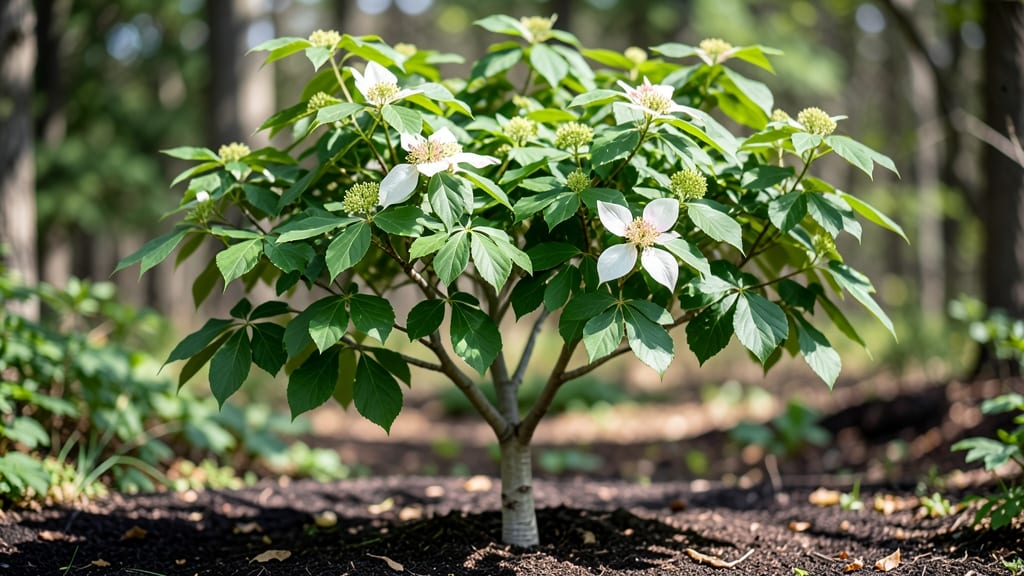
Dogwood tree height by variety: exact mature heights compared
Choosing the right dogwood tree means understanding its mature height—some varieties stay compact enough for small yards, while others reach towering heights perfect for large landscapes.
The flowering dogwood (Cornus florida) is the most popular, but Kousa dogwood (Cornus kousa) and Cornus species offer stunning alternatives with varying growth habits. Let’s break down the exact heights you can expect from each variety so you can plan your garden layout with confidence.
If you’re working with limited space, dwarf dogwood varieties like 'Cherokee Brave' or 'Little Apple' max out at 12–15 feet, making them ideal for urban gardens or foundation plantings.
On the other end of the spectrum, standard varieties like 'Stella de Oro' or 'White Cloud' can soar to 20–35 feet, providing dramatic shade and seasonal interest for expansive properties. Knowing these differences ensures you select a dogwood that fits your vision—and your space!
The flowering dogwood varieties dominate the list, but don’t overlook Kousa dogwoods like 'Kousa Magic' or ornamental dogwoods such as Cornus alternifolia. These offer unique foliage colors, drought tolerance, and seasonal interest beyond just spring blooms.
For example, 'Royal Purple' isn’t just tall—it boasts deep purple foliage and striking fall color, making it a standout for bold landscapes.
When comparing heights, remember that spread matters just as much as height. A tree like 'White Cloud'
What affects dogwood tree height: key growth factors explained
Dogwood trees are stunning additions to any landscape, but their mature height isn't set in stone—it depends on several factors you can control. From sunlight exposure to pruning habits, understanding these variables helps you shape your tree's growth to fit your space perfectly.
Whether you want a towering shade provider or a compact ornamental feature, the right conditions make all the difference.
One of the biggest influences on a dogwood's height is its genetic variety. Some species naturally stay under 15 feet, while others can reach 35 feet or more.
But even within the same variety, environmental factors like soil quality and climate conditions can push your tree toward its maximum potential—or hold it back. Let's break down what truly affects how tall your dogwood will grow.
🌱 Dogwood Tree Height: Key Factors at a Glance
- Sunlight: 6+ hours = faster growth
- Soil: Well-draining = optimal height
- Pruning: Heavy cuts = controlled size
- Climate: Warmer zones = taller trees
Sunlight plays a crucial role in determining how tall your dogwood will grow. These trees thrive in partial shade, with 3-6 hours of morning sun ideal for balanced growth.
Too much direct sunlight can stress the tree, leading to stunted growth or leaf scorch, while insufficient light may slow its vertical expansion. If your dogwood isn't getting enough light, consider transplanting it to a sunnier spot—but avoid harsh afternoon sun, which can damage delicate foliage.
Soil type and quality directly impact root development, which in turn affects height. Dogwoods prefer well-draining, slightly acidic soil with a pH between 5.0 and 6.0. Heavy clay soils can restrict root growth, limiting the tree's ability to reach its full height potential.
Amend your soil with compost or organic matter to improve drainage and nutrient availability, giving your dogwood the best chance to grow tall and strong. Regular soil testing ensures you're providing the ideal conditions.
Pruning habits are another critical factor in controlling a dogwood's height. Strategic pruning can encourage fuller growth or keep the tree more compact. Always prune after flowering to avoid removing next year's blooms. For height control, remove up to 25% of the canopy annually, focusing on inward-growing branches.
Avoid heavy pruning in late summer or fall, as this can stimulate weak, late-season growth that's susceptible to frost damage.
Your local climate zone also plays a significant role in determining how tall your dogwood will grow. Trees in warmer USDA zones (7-9) often reach their maximum height faster due to longer growing seasons. In cooler zones (5-6), growth may be slower, resulting in a slightly shorter mature tree.
If you're in a colder climate, consider choosing a dwarf variety or providing winter protection to encourage steady growth over time.
Finally, root restrictions—like planting too close to structures or in confined spaces—can stunt a dogwood's height. Always follow spacing guidelines for your specific variety, typically 15-25 feet apart for standard trees.
If you're planting in a small yard, opt for a dwarf or semi-dwarf variety and give it plenty of room to spread its roots without competition. Proper spacing ensures your dogwood can grow to its full potential without becoming root-bound or stressed.