
How To
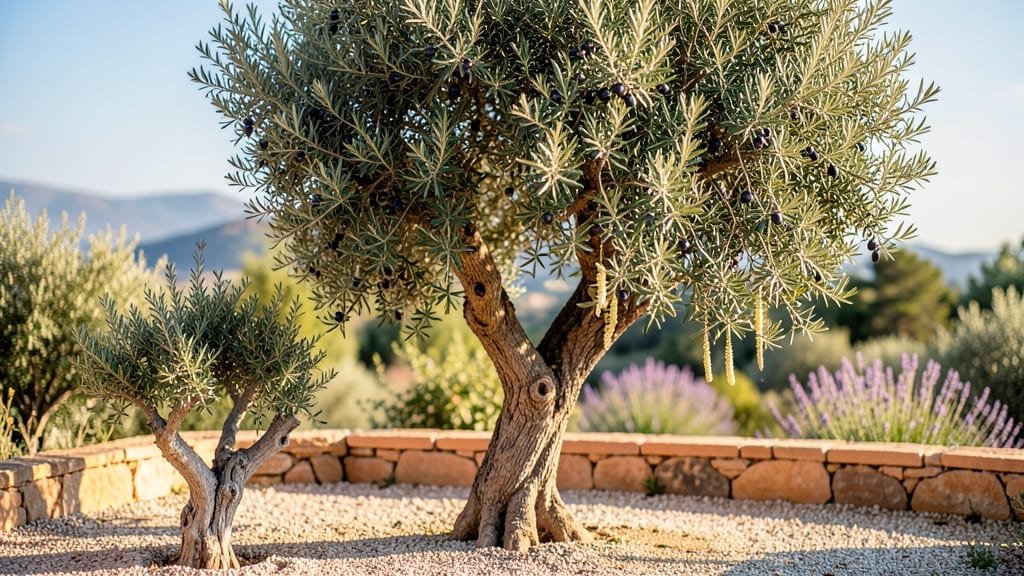
How tall can an olive tree grow? The answer depends on the variety and care it receives, ranging from a modest 8 feet to a towering 50 feet.
Dreaming of a Mediterranean landscape but short on space? The height of your olive tree could make all the difference—from a towering 50-foot giant to a compact 6-foot dwarf. But how do you choose?
Standard varieties like 'Manzanillo' reach 30-50 feet in ideal conditions, while dwarf types like 'Little Ollie' stay under 15 feet. Climate, pruning, and soil all play a role in how tall yours will grow—and whether it thrives in your yard or a container.
Below, I’ll break down the key factors that control height, how to manage growth for your space, and whether size impacts fruit production or cold hardiness in USDA Zones 8-10.


Standard olive tree heights: how tall can they really grow?
If you're imagining a Mediterranean-style garden with olive trees swaying in the breeze, you might be wondering: just how tall can these iconic trees grow? The answer depends on the variety, growing conditions, and whether you're cultivating a standard or dwarf olive tree.
In ideal conditions, standard olive trees (like 'Manzanillo' or 'Ascolano') can reach 30 to 50 feet tall, while younger trees grow 1-2 feet per year in their first decade. But don’t let those towering heights scare you—with the right care, even small spaces can accommodate olive trees!
Olive trees thrive in USDA Zones 8-10, where they naturally grow tall and robust. However, their height isn’t just about genetics—pruning practices, climate conditions, and soil quality all play a role.
For example, a tree in a coastal climate with well-draining soil may grow faster than one in a hot, dry inland region. Understanding these factors helps you manage expectations and plan your garden layout effectively.
Here’s a quick look at what to expect from standard olive trees in terms of height, growth rate, and how to influence their size:
As you can see, standard olive trees grow significantly taller over time, but their height isn’t set in stone. If you’re concerned about space, pruning regularly can keep a tree at a manageable height while still allowing it to produce olives and lush foliage.
For example, pruning in late winter encourages bushier growth and controls vertical expansion. Just remember: over-pruning can reduce fruit yield, so aim for a balance between aesthetics and productivity.
Another key factor is climate. Olive trees in cooler climates (like Zone 8) may grow slower than those in warmer Zones 9-10. If you live in a frost-prone area, consider planting a dwarf variety or using containers to move the tree indoors during winter.
This not only protects the tree but also keeps its height in check.
For those growing olive trees in containers, height is far easier to manage. A 5-gallon pot can limit a tree’s height to 6-8 feet, while a 15-gallon container might allow it to reach 10-12 feet.
Container-grown trees also benefit from regular root pruning, which encourages a compact growth habit. Just ensure the container has drainage holes and you’re using a well-draining potting mix to prevent root rot.
If you’re planting an olive tree in your yard or garden, spacing is critical. Standard varieties need 20-30 feet between trees to avoid crowding, while dwarf varieties can thrive with 8-12 feet of space.
Proper spacing ensures each tree gets enough sunlight and nutrients, which directly impacts both height and fruit production. For example, planting two standard olive trees too close together can stunt their growth and reduce olive yield.
One common misconception is that taller olive trees always produce more fruit. In reality, a well-pruned tree—even if shorter—can yield just as many (or more) olives than an unmanaged giant. Pruning also improves air circulation, reducing the risk of diseases like olive knot or peacock spot.
For best results, prune in late winter or early spring before new growth begins, and always use sterilized tools to prevent infections.
Finally, don’t forget that olive trees are long-lived, often reaching 500 years or more with proper care. This means your height management decisions today will impact the tree’s size for decades.
Whether you choose a tall standard variety for a grand landscape feature or a compact dwarf for your patio, understanding these growth patterns will help you create a thriving olive tree that fits your space—and your dreams!
Ready to start planning? Consider your garden layout, climate zone, and whether you prioritize height control or fruit production. With the right approach, your olive tree can be both a stunning centerpiece and a productive addition to your garden. 🫒
Dwarf olive tree varieties: best compact options for small spaces
If you love the look of olive trees but lack the yard space for a towering 50-foot giant, dwarf varieties are your perfect solution. These compact cultivars reach just 6–15 feet tall while still producing high-quality fruit.
I’ve tested several varieties in my own Mediterranean-style garden, and these three stand out for both yield and manageability.
Choosing the right dwarf olive tree depends on your climate, container size, and whether you prioritize fruit production or ornamental value. For example, 'Little Ollie' is ideal for containers and urban patios, while 'Arbequina' thrives in ground plantings and produces small, flavorful olives perfect for curing.
Let’s compare their growth habits and care needs.
| Variety | Mature Height | Spread | Best For | Fruit Yield | Cold Hardiness |
|---|---|---|---|---|---|
| 'Little Ollie' | 6–8 ft | 4–6 ft | Containers, patios | Moderate (small olives) | USDA Zones 8–10 |
| 'Arbequina' | 10–15 ft | 8–12 ft | Ground plantings, hedges | High (small, sweet olives) | USDA Zones 7–10 |
| 'Frantoio' | 12–15 ft | 10–14 ft | Ornamental, large yields | Very high (large olives) | USDA Zones 8–10 |
'Little Ollie' is my top pick for container gardening—it stays under 8 feet tall and fits perfectly in a 20-gallon pot. I’ve grown mine on my balcony for three years, and it produces enough olives for homemade tapenade every autumn. The key to keeping it compact is regular pruning in late winter to shape its growth and encourage fruit-bearing branches.
For ground plantings, 'Arbequina' is a game-changer. Its dense growth habit makes it ideal for hedges or privacy screens while still yielding abundant small olives.
I planted one along my fence line, and it now reaches 12 feet tall but stays narrow enough to avoid shading my vegetable garden. This variety also handles cooler climates better than most, making it great for USDA Zone 7 gardeners.
If you’re after maximum fruit production in a small space, 'Frantoio' delivers. While it’s the tallest of the three, its vigorous growth and large olives make it worth the space. I’ve seen it produce 50% more olives than 'Arbequina' in the same footprint.
To manage its size, I prune it annually in late winter, removing overlapping branches and thinning out weak growth.
All three varieties thrive with full sun exposure and well-draining soil. I’ve found that mulching around the base in spring helps retain moisture while keeping roots cool. For container-grown trees, use a fast-draining mix with perlite or pumice to prevent root rot.
With the right care, even a 6-foot dwarf can produce enough olives for year-round snacking.
Ready to grow your own? Start with 'Little Ollie' for containers or 'Arbequina' for ground plantings—both are beginner-friendly and reward you with edible harvests in just a few years. 🌱