
How To
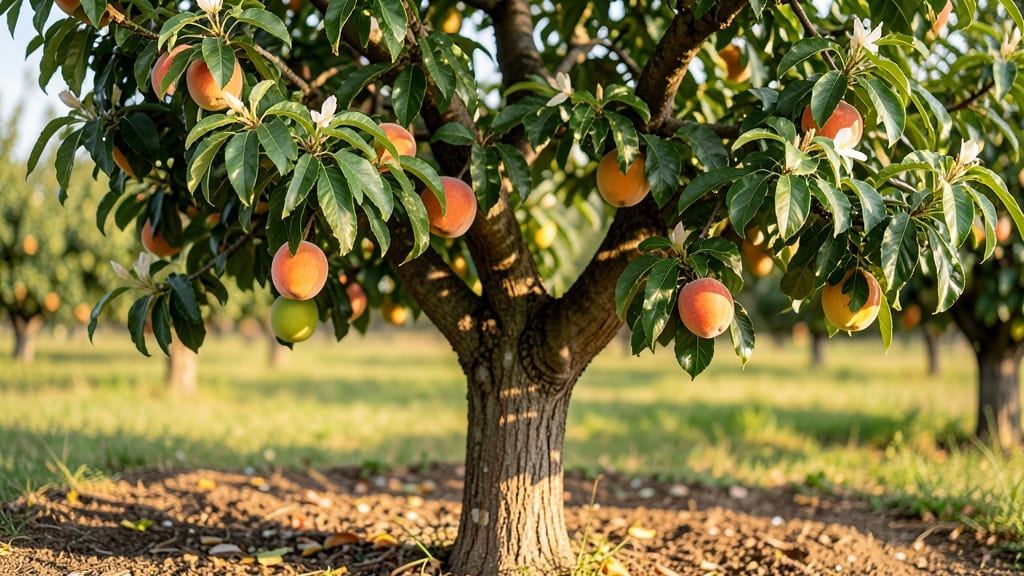
A peach tree can grow anywhere from 10 feet to towering 30 feet tall, depending on its variety and care.
Wondering if your backyard can accommodate a peach tree’s towering presence? The height of a peach tree isn’t just about genetics—it’s a mix of variety, pruning, and growing conditions that can transform a 10-foot shrub into a 30-foot giant (or keep it neatly contained).
Dwarf varieties stay manageable at 8-12 feet, while standard trees reach 20-30 feet—that’s taller than a basketball hoop but shorter than a two-story house.
Whether you’re working with a small urban lot or a spacious rural garden, the right approach to pruning and spacing can make all the difference.
Below, I’ll break down the height ranges for common varieties, how to control growth with pruning, and the best spacing for your 🍑 tree’s long-term health. Let’s get started!


Peach tree height by variety: dwarf to standard tree size guide
The height of your peach tree depends entirely on its variety and rootstock. A standard peach tree can soar to 20-30 feet, while dwarf varieties stay compact at 8-12 feet.
This dramatic difference comes down to the underlying rootstock—the genetic foundation that determines how tall your tree will grow. Understanding these categories helps you choose the perfect tree for your space, whether you have a sprawling backyard or a cozy container garden.
Rootstock plays a critical role in controlling height. Dwarfing rootstock like Lovell or Nemaguard keeps trees small, while standard rootstock like Halford or Nemared allows them to reach their full potential. Even the same peach variety can grow twice as tall depending on the rootstock used.
For example, the Elberta peach might stay at 10 feet on dwarfing rootstock but tower to 25 feet on standard rootstock.
Here’s how rootstock types break down for height control:
If you’re planting in a small space, dwarf varieties like Bonanza or Redhaven on Lovell rootstock are ideal. These trees stay under 10 feet and produce abundant fruit without taking over your garden.
For semi-dwarf options, varieties like Sanguinole or Contender on Hansen 536 rootstock strike a balance, reaching 15 feet while remaining manageable.
Standard peach trees, such as Elberta or Relenta, are best suited for rural properties or orchards. Their full height allows for better airflow and larger fruit production, but they require ample space—at least 25 feet from buildings, fences, or other trees.
Without proper spacing, you risk shading issues, disease spread, and limited fruit access.
Another factor to consider is pruning impact. Even a standard peach tree can be pruned to stay under 15 feet, but this requires regular maintenance and expertise.
Dwarf trees, on the other hand, need minimal pruning to maintain their shape. If you’re new to pruning, start with a dwarf or semi-dwarf variety to avoid accidentally encouraging overgrowth.
For container growing, only dwarf varieties work—look for self-rooted peach trees or those grafted onto Lovell rootstock. These can thrive in 15-gallon pots and even produce fruit, though yields may be smaller. Just ensure your container has drainage holes and you’re using well-draining soil to prevent root rot.
Climate also plays a role in height. In warmer climates (USDA Zones 7–9), peach trees grow faster and may reach their mature height quicker than in cooler zones.
If you’re in Zone 6 or below, choose cold-hardy varieties like Reliance or Contender, which mature slightly slower but handle frost better.
Before planting, sketch a layout plan to ensure your peach tree has enough space. Measure your yard and mark spacing guidelines with stakes. Remember, a standard tree’s canopy can spread 15–20 feet wide, so account for that too.
If you’re unsure, err on the side of more space—peach trees hate being crowded.
🌱 Whether you dream of a towering peach tree or a compact backyard orchard, choosing the right variety and rootstock is your first step to success. Now you’re ready to pick the perfect peach tree for your space—and enjoy fresh fruit for years to come!
Pruning limits & techniques to control peach tree height
Peach trees can reach 20-30 feet if left unchecked, but strategic pruning keeps them at your desired height while boosting fruit production. The key is understanding when and how to prune—timing matters more than you might think.
Over-pruning weakens the tree, while under-pruning leads to unruly growth and poor air circulation. Let’s break down the seasonal limits and techniques to maintain a manageable height without sacrificing yield.
Start by identifying your tree’s current height and target size. A dwarf variety might max out at 8-12 feet, while a standard tree can stretch to 25 feet if unpruned.
Your goal is to remove no more than 25% of the canopy in any single pruning session to avoid stress. For example, if your tree is 15 feet tall and you want it at 10 feet, plan for gradual reductions over 2-3 years rather than drastic cuts.
Step-by-Step Pruning Guide for Height Control
- 1 Choose the right season: Prune dormant trees in late winter (before buds swell) or summer after harvest. Avoid pruning in fall—it invites disease.
- 2 Remove vertical shoots: Cut back water sprouts (fast-growing vertical branches) to 1/4 inch above a bud. These shoots steal energy from fruit production.
- 3 Thin the canopy: Aim for an open center by removing crossing branches and those growing inward. This improves airflow and sunlight penetration.
- 4 Limit height cuts: Never cut more than 1/3 of the tree’s height in one year. For example, if your tree is 12 feet tall and you want 8 feet, reduce height by 1 foot per year.
- 5 Sanitize cuts: Use sterilized pruners and seal cuts with pruning sealant (optional for small branches). This prevents bacterial infections.
One common mistake is topping the tree—cutting the main trunk flat to reduce height. This creates stubby regrowth and weakens the tree’s structure. Instead, make cuts just above a bud or branch collar to encourage healthy growth.
Another pitfall is pruning too late in the season, which can expose the tree to late frost damage or fungal infections.
For container-grown peach trees, pruning is even more critical since root space is limited. Prune 20-30% less than outdoor trees to avoid stress. Use dwarf rootstock varieties like ‘Bonanza’ or ‘Redhaven’ if space is tight—they naturally stay under 10 feet with proper care.
Always water deeply after pruning to help the tree recover.
Monitor your tree’s response after pruning. If you see excessive leaf drop or stunted growth, you’ve likely over-pruned. Adjust your approach in the next season by reducing cuts by 10-15%. With patience, your peach tree will stay at your desired height while producing abundant, high-quality fruit.
🌱