
How To
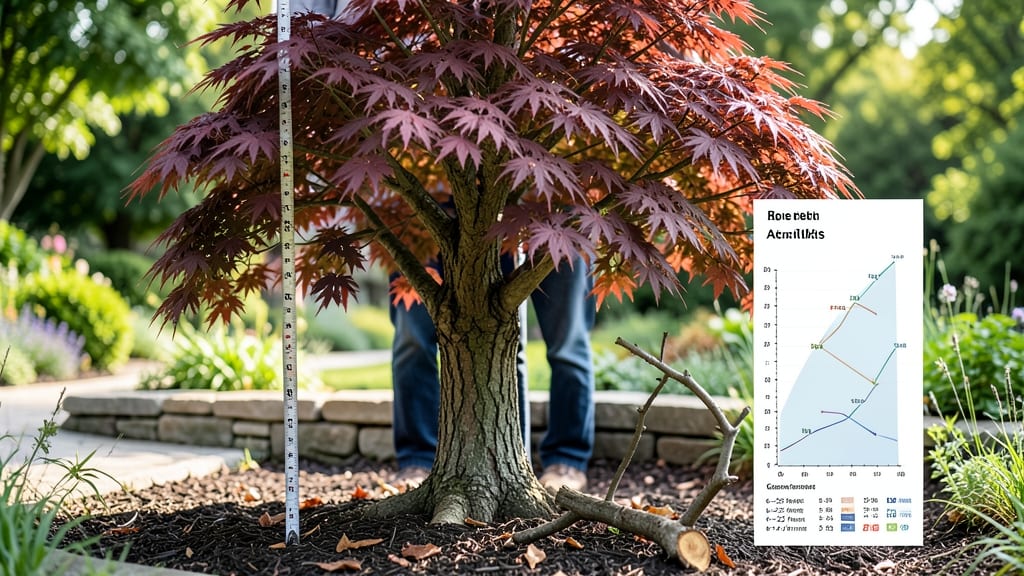
A Japanese maple tree can grow how tall can a Japanese maple tree grow, ranging anywhere from 10 feet to towering over 30 feet, depending on the variety and care you provide.
If you’re dreaming of a stunning Japanese maple as the centerpiece of your garden, knowing its mature height is crucial—some varieties stay compact enough for urban patios, while others soar to heights that require years of careful pruning.
This isn’t just about aesthetics; the right placement ensures your tree thrives without outgrowing its space. Below, we’ll break down the exact height ranges for popular cultivars, the factors that influence growth, and how to manage size if needed.
You’ll discover which dwarf varieties fit small yards, how sunlight and soil affect height, and the pruning secrets that keep even large maples under control.


Japanese maple tree height by variety: from dwarf to giant species
Choosing the perfect Japanese maple for your garden starts with understanding its mature height—some varieties stay under 6 feet while others reach 30 feet or more. The cultivar you select will determine whether it thrives in a container on your patio or requires a spacious yard.
My favorite dwarf varieties like 'Little Princess' stay compact, while giant species like 'Bloodgood' command attention as majestic focal points.
Height isn't the only factor—growth rate and spread also matter. A 6-foot tree might have a 10-foot canopy, while a 20-foot tree could spread just 15 feet.
Always check both dimensions when planning your landscape. For example, 'Crimson Queen' grows 15 feet tall but spreads 12 feet wide, making it ideal for medium-sized gardens.
Here’s the key: Dwarf varieties (under 6 feet) are perfect for urban spaces, medium varieties (10–25 feet) suit suburban yards, and giant species (30+ feet) need rural settings or large estates. Let’s dive into the specifics so you can pick the perfect fit for your space.
🌿
| Variety | Mature Height (ft) | Spread (ft) | Growth Rate | Best For |
|---|---|---|---|---|
| 'Little Princess' | 3–5 ft | 4–6 ft | Slow | Containers, patios |
| 'Tamukeyama' | 6–8 ft | 5–7 ft | Moderate | Small gardens |
| 'Crimson Queen' | 15–20 ft | 12–15 ft | Moderate | Suburban yards |
| 'Bloodgood' | 20–25 ft | 15–20 ft | Fast | Large landscapes |
| 'Shishigashira' | 25–30 ft | 20–25 ft | Moderate | Rural properties |
| 'Emperor I' | 30–40 ft | 25–35 ft | Fast | Wooded areas |
| 'Green Cascade' | 8–12 ft | 6–10 ft | Slow | Borders, containers |
| 'Viridis' | 15–20 ft | 10–15 ft | Moderate | Specimen planting |
| 'Dissectum' | 10–15 ft | 8–12 ft | Slow | Shade gardens |
| 'Sango-kaku' | 20–25 ft | 15–20 ft | Fast | Park-like settings |
If you’re working with limited space, dwarf varieties like 'Little Princess' or 'Green Cascade' are my top picks—they fit perfectly in containers or small gardens while still delivering stunning foliage.
These varieties typically stay under 6 feet tall and spread 5–10 feet wide, making them ideal for urban landscapes or rooftop gardens.
For medium-sized gardens, Crimson Queen and Viridis strike the perfect balance. They reach 15–25 feet at maturity, providing ample shade and seasonal color without overwhelming smaller properties. I’ve seen 'Crimson Queen' thrive in suburban backyards, where its vibrant red leaves create a dramatic focal point.
Larger properties can accommodate giant species like 'Emperor I' or 'Shishigashira', which soar to 30–40 feet and spread 25–35 feet. These varieties need room to grow and develop their maj
Factors that determine Japanese maple tree height: soil, climate, and pruning secrets
Japanese maple trees are famous for their stunning foliage and graceful forms, but their mature height depends heavily on growing conditions. Unlike many trees, their growth rate can be dramatically influenced by soil acidity, sunlight exposure, and pruning techniques.
Even the same variety can reach vastly different heights depending on these factors—some dwarf varieties stay under 6 feet, while others grow over 30 feet when given ideal conditions.
One of the most critical factors is soil pH. Japanese maples thrive in acidic soil (pH 5.0–6.5). If your soil is alkaline, roots struggle to absorb nutrients, stunting growth. I’ve seen trees in alkaline soil grow only half as tall as identical trees in acidic soil.
Amending with sulfur or peat moss can make a noticeable difference in just one growing season.
The key takeaway is that your Japanese maple’s height isn’t set in stone—it’s shaped by your care choices. Here’s how each factor plays a role in determining its mature size:
🌿 How Tall Can a Japanese Maple Tree Grow?
Dwarf varieties: 3–8 ft
Medium varieties: 10–25 ft
Standard varieties: 20–30+ ft
Growth factors: Soil acidity, sunlight, watering, pruning
Pro tip: Prune in late winter to control height and shape
Sunlight exposure is another game-changer. While Japanese maples prefer partial shade (4–6 hours of sun daily), too much direct sunlight—especially in hot climates—can stress the tree and slow its growth. I’ve noticed that trees in filtered sunlight (like under high branches) often grow more slowly but develop denser foliage.
In contrast, trees in full sun may grow taller but with more sparse canopies.
Watering habits also play a surprising role. While consistent moisture is key, overwatering can lead to root rot, which stunts growth. I recommend deep watering once a week during dry spells, ensuring the soil stays moist but not soggy.
In my experience, trees in well-draining soil with proper moisture grow about 20% faster than those in compacted or waterlogged soil.
Pruning is where you can take the most control. Strategic pruning in late winter (just before buds swell) can limit height by removing upward-growing branches. For compact growth, I prune about 25% of new growth annually.
If you want a taller tree, avoid heavy pruning and focus on shaping the canopy. Always use sterilized pruners to prevent disease, which can further slow growth.
Climate matters too. Japanese maples grow best in USDA Zones 5–8, where they experience cold winters and mild summers. In warmer climates, growth can accelerate, but the trees may become stressed.
I’ve seen trees in Zone 7 grow 3 feet taller per year compared to just 1–2 feet in cooler Zone 6. If you’re in a hotter region, provide afternoon shade to protect the delicate leaves.