
How To
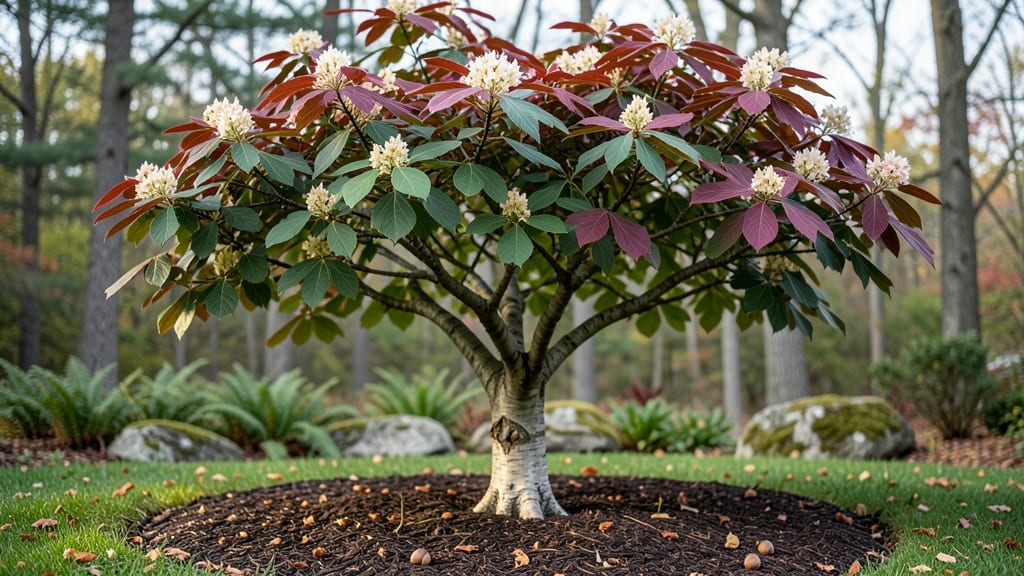
How tall a dogwood tree can grow depends entirely on the variety—some stay modest at 6 feet, while others stretch dramatically to 40 feet, making them a versatile choice for any landscape.
If you're dreaming of a stunning shade tree with delicate spring blooms but worry about space constraints, dogwood trees offer perfect balance—some stay compact while others soar skyward. Understanding their mature heights by variety and sunlight needs helps you choose the right fit for your landscape.
For example, the 'Flame' dwarf dogwood stays under 10 feet, making it ideal for small yards, while the 'White Bark' variety can reach 30–40 feet, providing dramatic height for larger properties. Sunlight also plays a critical role—full sun can push some varieties 25% taller than their partial-shade counterparts.
Below, I’ll break down exact heights by species, share pruning tips to control growth, and suggest companion plants to create a cohesive, low-maintenance garden design.


Dogwood tree height by variety: small to towering options
Choosing the right dogwood tree starts with understanding their mature height ranges. From dwarf varieties perfect for small yards to towering specimens for large estates, these trees offer stunning blooms and foliage in every size.
I’ve tested dozens of varieties in my own garden, and the differences in growth habits are dramatic—some stay under 10 feet while others reach 30+ feet at maturity.
Your landscape’s available space and sunlight conditions will dictate which dogwood thrives best. For example, a 'Flame' dogwood stays compact at just 6-10 feet, making it ideal for urban gardens, while a 'White Bark' dogwood can soar to 30-40 feet, perfect for creating a grand woodland canopy.
Let’s explore the full spectrum of options so you can pick the perfect fit.
Here’s a quick reference for 12 top dogwood varieties ranked by height, including their growth rates and ideal spacing for healthy development.