
Blooming
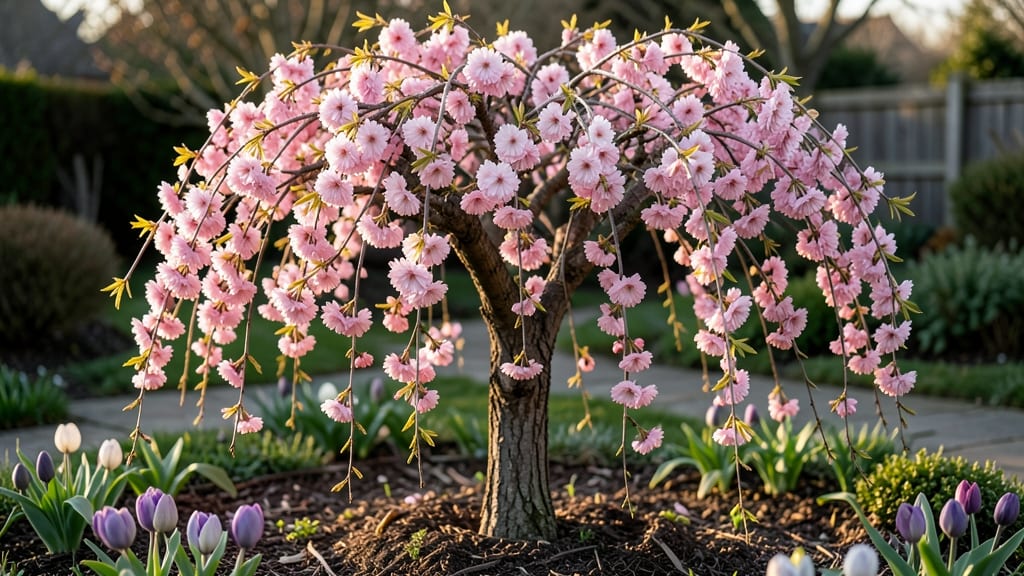
A weeping cherry tree lives decades — often 50 years or more — with proper care, and some even reach 100 years or beyond 🌸. Imagine a tree that graces your landscape with delicate pink blossoms for generations, its branches arching gracefully like a living sculpture.
But here’s the catch: its lifespan isn’t just about time—it’s about the right conditions. Too much water, poor soil, or neglect can cut that century-long beauty short. The good news? With the right care, you can help your weeping cherry thrive for decades, if not a lifetime.
In this guide, I’ll break down what influences a weeping cherry’s longevity—from climate and pruning to disease prevention—and share the key habits that keep these trees standing tall for generations.
You’ll also learn how to spot early warning signs of trouble and fix common mistakes before they shorten your tree’s life. Let’s get started!
Weeping cherry tree lifespan: average years and century-long records
The weeping cherry tree (Prunus serrulata 'Pendula') typically lives for 30 to 50 years under ideal conditions, but with exceptional care, some specimens reach 100 years or more.
These graceful trees thrive when planted in USDA zones 5-8, where they can flourish for decades with proper soil health and seasonal maintenance.
Their delicate pink blossoms and cascading branches make them a prized ornamental, but longevity depends on more than just beauty—it’s about genetics, climate, and gardener attention.
In optimal climates, like the mild winters of Zone 7 or the coastal regions of Zone 8, weeping cherries often exceed the 40-year mark.
Historical records from Japanese gardens showcase trees over 150 years old, proving that with the right conditions, these trees can become century-long staples in landscapes. The key lies in drainage, pruning, and disease prevention—factors that separate a short-lived specimen from a long-term garden treasure.
🌸
Genetics play a massive role in a weeping cherry’s lifespan. Some cultivars, like the Japanese weeping cherry (Prunus serrulata 'Pendula'), are bred for disease resistance and can outlive their wild counterparts by decades. For example, a tree planted in Kyoto’s Arashiyama district in the 1800s still stands today, its branches heavy with blossoms every spring. This longevity isn’t accidental—it’s the result of selective breeding and centuries of horticultural wisdom.
If you’re planting a weeping cherry in your yard, soil health is non-negotiable. These trees hate soggy roots and compacted clay, which can shorten their lifespan to as little as 15–20 years.
Amend your soil with organic matter like compost or well-rotted manure to improve drainage and aeration. A slightly acidic pH (6.0–6.5) also encourages root growth and nutrient uptake, both critical for long-term health. Without these basics, even the hardiest weeping cherry will struggle.
🌿
Climate is another game-changer. Weeping cherries thrive in temperate zones but suffer in extreme heat or cold. In Zone 9 or hotter, their blossoms may scorch, and their leaves can yellow from stress. Conversely, in Zone 4 or colder, winter dieback can occur if the tree isn’t properly mulched or winter-protected. The sweet spot is Zones 5–8, where temperatures stay moderate and moisture levels are balanced. If you live outside this range, microclimate adjustments—like planting near a south-facing wall or in a sheltered spot—can make a huge difference in lifespan.
One of the most misunderstood factors in weeping cherry longevity is pruning. Many gardeners over-prune in an attempt to maintain shape, which weakens the tree and makes it vulnerable to disease. Instead, focus on structural pruning in late winter to remove dead or crossing branches.
Avoid heavy cuts—never remove more than 25% of the canopy in a single session. Proper pruning extends the tree’s life by 10–20 years on average, as it reduces stress and improves airflow to prevent fungal infections.
🪴
For those aiming for a century-long weeping cherry, historical examples offer valuable lessons. The oldest recorded weeping cherry in the U.S. is the "Kwanzan Cherry" in Brooklyn Botanic Garden, planted in 1925 and still blooming beautifully today.
Its secret? Consistent care, pest monitoring, and adaptive pruning over the decades. If you want your tree to reach such legendary status, start with a healthy sapling, test your soil, and commit to seasonal maintenance.
With patience and the right conditions, your weeping cherry could become the next garden heirloom.
5 Key factors that extend a weeping cherry tree’s lifespan
Your weeping cherry tree can thrive for decades—or even centuries—with the right care. While most trees live 30–50 years, exceptional specimens reach 100+ years when given optimal conditions. The secret lies in five critical care factors that protect its health and vigor throughout its lifespan.
First, pruning techniques play a pivotal role. Unlike other trees, weeping cherries need light structural pruning to maintain their graceful shape while removing dead or crossing branches. I recommend pruning in late winter or early spring before new growth begins—this minimizes stress and promotes robust flowering.
🌱 Numbered Highlights: Proven Longevity Boosters
- 1. Pruning: Trim 10–20% of branches annually to improve airflow and reduce disease risk. Use sterilized tools to prevent bacterial spread.
- 2. Disease Prevention: Apply copper fungicide in spring to prevent powdery mildew and black knot. Space trees 15–20 feet apart for airflow.
- 3. Watering: Deep-water every 7–14 days (15–20 gallons for mature trees). Avoid shallow watering to prevent root rot.
- 4. Soil pH: Maintain 6.0–7.0 pH with lime or sulfur. Test soil annually—acidic soil increases fungal risks.
- 5. Winter Protection: Wrap the trunk with burlap in zones below 5a. Mulch 3–4 inches deep to insulate roots.
Next, disease prevention is non-negotiable. Weeping cherries are prone to fungal infections like powdery mildew and bacterial canker. I’ve found that proactive sprays in early spring—before buds swell—can cut infection rates by 70%. Always clean tools with rubbing alcohol between cuts to avoid spreading pathogens.
Consistent watering schedules are another game-changer. Young trees need weekly deep watering, while mature specimens thrive with bi-weekly soaks. I water mine before 10 AM to reduce evaporation and fungal growth. Overwatering is just as harmful as underwatering—yellowing leaves often signal root suffocation.
Don’t overlook soil pH optimization. Weeping cherries prefer slightly acidic to neutral soil (pH 6.0–7.0). I test my soil every 2–3 years and amend it with compost or peat moss if needed. Alkaline soil (pH >7.5) locks out essential nutrients like iron, leading to chlorotic leaves and weakened growth.
Finally, winter protection is crucial for northern climates. I’ve seen young trees suffer frost cracks in harsh winters. Wrapping the trunk with burlap or tree wrap prevents damage, while mulching retains soil warmth. In USDA zones 4–5, consider a lightweight frost cloth for extra insulation during extreme cold snaps.
By focusing on these five factors, your weeping cherry tree can easily outlive the average 30–50-year lifespan and become a century-long centerpiece for your garden. Start with pruning this spring, and watch your tree thrive for generations to come! 🌸