
Size
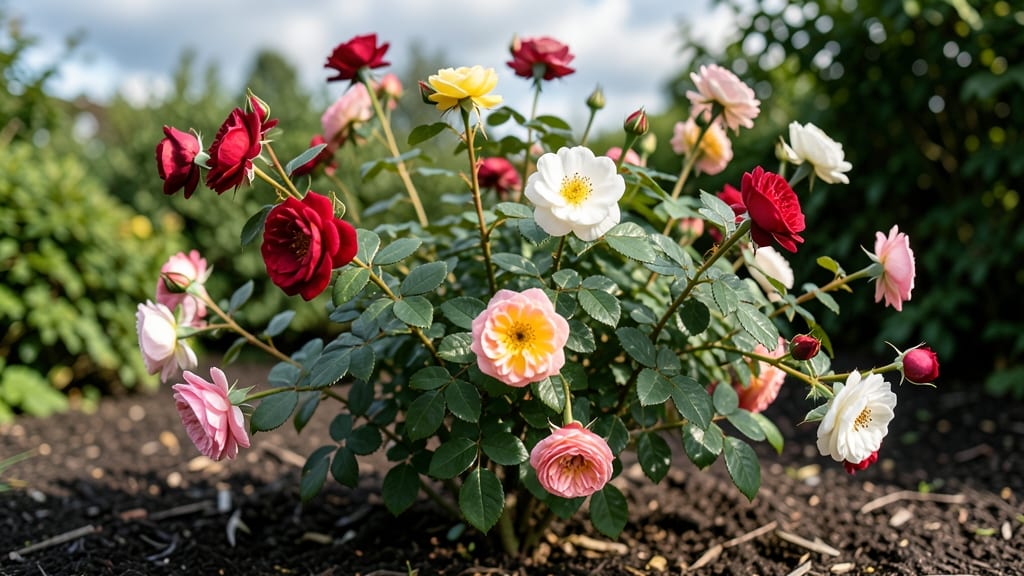
A rose tree’s mature size can range from just 1 foot for dwarf varieties to towering 20 feet for climbing types — and yes, that difference matters when you’re planning your garden layout.
If you’re dreaming of planting roses but wondering whether they’ll dwarf your garden or fit perfectly in a small yard, understanding their mature size is key — because the wrong variety could turn your vision into a space nightmare. 🌹
Some roses stay neatly contained, like the 3-foot-tall 'Playboy' shrub, while others, like the 'New Dawn' climber, can reach 15 feet if given the right support. The difference? Rootstock, pruning, and sunlight exposure all play a role in how big your rose will grow.
In this guide, I’ll break down the height ranges by popular types, share tips to control growth, and help you pick the perfect rose for your space — whether you’ve got a cozy container or a sprawling backyard.
Rose tree height ranges: mature sizes by popular variety types
Roses aren’t one-size-fits-all—some stay compact enough for window boxes while others need a 20-foot trellis to showcase their grandeur. The variety you choose determines everything from your garden layout to maintenance needs.
For example, the 'Knock Out' rose stays neatly under 4 feet, while 'Blaze' climbers can reach 12 feet if trained properly. Understanding these ranges helps you avoid overcrowding or wasted space.
Most roses fall into four main categories based on size: miniature, shrub, hybrid tea, and climbing. Each has distinct growth patterns, and knowing their mature dimensions lets you plan trellises, hedges, or container gardens with confidence.
Let’s explore the height ranges you can expect from each type, along with real-world examples to guide your selection.
| Variety Type | Mature Height Range | Growth Habit | Best For |
|---|---|---|---|
| Miniature Roses | 1–3 feet | Compact, bushy | Containers, rock gardens, window boxes |
| Shrub Roses | 3–6 feet | Bushy, multi-stemmed | Hedges, borders, mixed beds |
| Hybrid Tea Roses | 3–5 feet | Single-stemmed, upright | Cut flowers, formal gardens |
| Climbing Roses | 8–20 feet | Vining, needs support | Trellises, arbors, fences |
| Floribunda Roses | 2–4 feet | Clustered blooms, bushy | Borders, cottage gardens |
| Grandiflora Roses | 4–6 feet | Tall, upright, large blooms | Cutting gardens, focal points |
🌹 Pro Tip: Always check the specific variety’s label—some 'climbers' stay under 6 feet if pruned!
Miniature roses are the space-savers of the rose world, perfect for containers or small gardens. Varieties like 'Fairy' or 'Pinkie' max out at 1–2 feet, making them ideal for window boxes or fairy gardens.
Their petite size doesn’t mean they lack impact—many produce bright, abundant blooms in shades from white to deep red. If you’re working with limited space, these are my top picks for adding color without clutter.
Shrub roses strike the perfect balance, offering height and volume without the maintenance of climbers. The 'Knock Out' series is a fan favorite, typically reaching 3–4 feet with continuous blooms from spring to frost.
Other shrub varieties like 'Dr. Huey' or 'The Fairy' grow 4–5 feet, making them great for hedges or mixed borders. Their low-maintenance nature and disease resistance are major pluses for busy gardeners.
Hybrid tea roses are the classic cut-flower roses, prized for their large, high-centered blooms and tall, elegant stems. Most varieties, like 'Mr. Lincoln' or 'Double Delight', grow 4–5 feet tall, with some reaching 6 feet if given ideal conditions.
These roses thrive in formal gardens or as standalone specimens where their dramatic blooms can shine. Just be prepared for more pruning and care compared to shrub types.
Climbing roses are the dramatic stars of large gardens, capable of reaching 15–20 feet when trained on trellises, arbors, or fences. Varieties like 'New Dawn' or 'Blaze' produce long, flexible canes that need support to reach their full potential.
These roses are perfect for adding vertical interest to pergolas or covering unsightly walls. However, their aggressive growth requires regular pruning to keep them
Factors that influence how big a rose tree grows (and how to control it)
A rose tree’s mature size isn’t set in stone—it’s shaped by a mix of genetics, care practices, and environmental factors.
The rootstock you choose (like 'Dr. Huey' for dwarf roses or 'Rambling Rector' for climbers) can determine whether your plant stays under 3 feet or stretches to 15 feet. Even two identical roses can grow differently based on sunlight, soil quality, and how aggressively you prune.
Understanding these variables lets you control growth for your garden’s needs. For example, a climbing rose left unchecked might smother nearby plants, while a shrub rose in poor soil could stay stunted.
Let’s break down the key factors and how to manage them—so you can grow roses that fit your space and thrive.
Factors Affecting Rose Tree Size
✅ Controllable Factors
- Rootstock Type: Dwarf rootstock (e.g., 'Buddha’s Hand') keeps plants under 3 ft; standard rootstock yields 5-8 ft roses.
- Pruning Technique: Heavy pruning in winter limits height; minimal pruning encourages vertical growth.
- Soil Quality: Rich, well-draining soil promotes faster, healthier growth; poor soil stunts roses.
- Sunlight Exposure: Full sun (6+ hours) maximizes blooms and size; partial shade keeps roses smaller.
❌ Uncontrollable Factors
- Variety Genetics: Some roses (e.g., 'New Dawn') are naturally tall; others (e.g., 'Fairy Tale') stay compact.
- Climate/Zones: Roses in Zone 5 may grow slower than those in Zone 8 due to shorter growing seasons.
- Water Availability: Drought stress limits growth; overwatering can cause weak, leggy stems.
- Age of Plant: Young roses grow faster; mature roses (3+ years) focus on blooms over height.
Let’s start with rootstock, the foundation of your rose’s size. The rootstock isn’t just about roots—it influences the entire plant’s vigor and height.
For instance, grafting a hybrid tea rose onto 'Dr. Huey' rootstock will cap its height at 3-4 feet, while the same rose on 'Manettii' rootstock could reach 6 feet or more. I always recommend checking the rootstock label when buying bare-root roses—it’s the first clue to your future pruning needs.
Next, pruning is your most powerful tool for controlling size. If you want a compact shrub rose, prune aggressively in late winter, cutting back 1/3 of the plant to encourage bushier growth. For climbing roses, prune lightly to direct energy upward.
Remember: Prune in late winter (before buds swell) to avoid disease and encourage strong new growth. I’ve seen roses double in width after a single season of proper pruning!
Soil conditions play a surprising role too. Roses in nutrient-poor soil will grow slowly, while those in amended soil (with compost and organic matter) can shoot up quickly. Test your soil’s pH—roses prefer 6.0-6.5. If your soil is too alkaline, add sulfur or peat moss to acidify it gradually. I once had a rose bush that barely grew until I amended its clay soil with compost and gypsum—now it’s a 5-foot beauty!
Finally, sunlight exposure directly impacts growth. Roses need 6+ hours of full sun daily to reach their potential size. In partial shade, they’ll grow leggy and produce fewer blooms.
If your garden is shady, choose shade-tolerant varieties like 'Carefree Beauty' (which stays under 4 feet) or train climbers to grow horizontally along fences instead of vertically. Even a few extra hours of sun can make a difference in your rose’s mature height.
By tweaking these factors, you can shape your rose’s size to match your garden’s vision. Whether you want a 3-foot hedge or a 12-foot trellis masterpiece, the key is consistency—watch your rose’s growth habits, adjust your care, and enjoy the results.
And remember: Patience is key—roses often take 2-3 years to reach their full mature size. 🌹