
Pruning
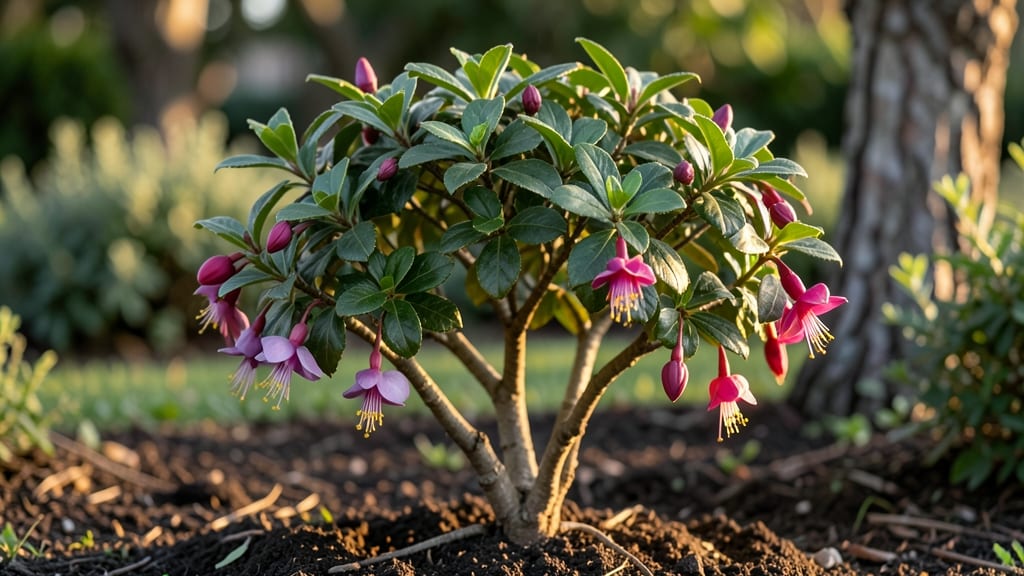
Mastering fuchsia tree care isn’t just about keeping it tidy—it’s the secret to those vibrant, cascading blooms that make neighbors stop and stare. 🌸 I've learned the hard way that skipping this step means leggy branches and sparse flowers, but when done right, your fuchsia becomes a nonstop showstopper from spring through fall.
The key is timing and technique: prune in late winter to shape the plant, then do light trims after each flush of blooms to encourage more flowers.
Most people over-prune, leaving bare stems—what you really want is to cut back by about one-third each time, always just above a leaf node. This keeps the plant bushy and full of energy for new growth.
By summer, you'll have a fuchsia that looks like it belongs in a botanical garden, with dense foliage and blooms so heavy they almost drag the branches. The best part?
With proper pruning, your plant will handle winter better, too—many varieties survive mild winters with just a little protection, and even tropical types bounce back faster in spring.
Fair warning: Fuchsias hate being root-bound, so upgrade pots every couple of years if growing in containers. And if your blooms start looking sparse? It's time to check your light—these divas need bright, indirect light all day, or they'll focus on leaves instead of flowers. Let's get those shears ready!
📚 In This Guide
- What you need
- Instructions
- Tips and common mistakes
- Wrapping up and next steps
What you need
- ● Pruning shears: Bypass pruners (sharp, clean, and sterilized to prevent disease) – 1 pair (for small branches).
- ● Loppers: Bypass or anvil-style (for thicker branches, up to 1.5 inches in diameter) – 1 pair.
- ● Hand pruners: Small, ergonomic (for delicate trimming of new growth) – 1 pair.
- ● Rubbing alcohol (70% or higher): For sterilizing tools between cuts – small bottle.
- ○ Pruning sealant: Optional but helpful for sealing larger cuts (e.g., Tanglefoot Tree Wound Pruning Seal) – small tube.
- ● Garden gloves: Cut-resistant (to protect hands from thorns and sap) – 1 pair.
- ● Disposable pruning bags: For collecting debris – 1-2 bags.
- ● Extension pole: Adjustable (for high branches) – 1.
- ● Ladder: Sturdy and stable (if your Fuchsia is tall) – 1.
- ● Hose or spray bottle: For rinsing tools and cleaning sap off leaves.
- ● Notebook or app: To log pruning dates and notes (e.g., Gardenate or iNaturalist).
Step-by-Step guide to pruning your fuchsia tree for year-round health
Here's how I keep my fuchsia trees blooming abundantly while building strong, sturdy branches.
✂️ Step 1: Prune for Shape in Early Spring
Start your pruning when new growth begins in early spring, just as buds swell but before leaves unfurl. This is the perfect time to shape your fuchsia tree—it encourages fresh, vibrant growth while maintaining an attractive form. I always begin by removing any dead, diseased, or crossing branches first. These are easy to spot: dead branches snap when bent, while diseased ones may have blackened spots or unusual growths.
Next, trim back any overly long branches by about one-third their length. Cut just above a leaf node (the small bump where leaves attach) at a 45-degree angle. This encourages branching and prevents water from pooling on the cut. For a bushier tree, pinch back the tips of new growth by about 1 inch—this redirects energy into side shoots rather than just vertical growth.
✂️ Step 2: Deadhead and Encourage Blooms Mid-Season
Once your fuchsia tree starts flowering, deadhead spent blooms every 2-3 weeks to keep it producing new flowers. Simply snip off the faded flowers just above the next set of leaves or buds. This prevents the plant from wasting energy on seed production and redirects it toward more vibrant blooms. I like to do this on a bright morning when the flowers are fully open—it's easier to see what needs trimming.
While deadheading, keep an eye out for any leggy growth that's stretching toward the light. These stems are often weak and won't produce many flowers. Trim them back to a strong, healthy branch or leaf node. You'll notice new side shoots forming within 2-3 weeks, which will eventually turn into more blooms.
✂️ Step 3: Light Pruning in Late Summer for Winter Prep
About 6-8 weeks before your first frost, give your fuchsia tree a lighter pruning to prepare it for winter. Focus on removing any branches that are growing inward or rubbing against each other—these can create wounds that invite disease. Also, trim back any overly long or weak stems by about one-half their length. This helps the tree redirect its energy into stronger, healthier growth for next season.
This is also a great time to thin out the center of the tree if it's become too dense. Dense centers can lead to poor airflow, which increases the risk of fungal issues. Cut back branches that are growing toward the center of the plant, making your cuts just above an outward-facing leaf node. You'll see the inside of the tree open up, allowing better light and air circulation.
⏰ Step 4: Post-Winter Pruning for New Growth
After the last frost has passed and new growth begins in late winter or early spring, it's time for your final pruning of the season. Start by removing any dead, damaged, or diseased branches—these are easy to spot as they won't have any green growth. Next, trim back any branches that were cut back heavily in the late summer. This encourages fresh, new growth and helps the tree recover from winter.
For a more dramatic shape, you can also prune back the entire tree by about one-third its height. Make your cuts just above a leaf node or bud, and always use clean, sharp pruning shears to avoid damaging the plant. After pruning, give your fuchsia tree a good drink of water to help it recover. You'll see new leaves and buds forming within 2-4 weeks, signaling that your pruning was successful.
Tips & tricks for perfect fuchsia tree pruning
These simple tricks will help you keep your fuchsia tree looking its best year-round while avoiding common pruning mistakes.
The Right Time Matters: In Step 1, when pruning for shape in early spring, don't rush—wait until you see buds starting to swell but before leaves unfurl. This timing ensures you're encouraging fresh growth while avoiding winter stress. I've learned the hard way that pruning too early can leave your tree vulnerable to late frosts, while waiting too long can limit new growth potential.
Cutting Technique is Critical: When you're making those one-third cuts in Step 1 or one-half cuts in Step 3, always use clean, sharp pruning shears and cut just above a leaf node at a 45-degree angle. This prevents water from pooling on the cut and encourages new growth. I've seen many gardeners make the mistake of cutting too close to the node or leaving jagged edges, which can invite disease.
Deadheading Strategy: In Step 2, when deadheading every 2-3 weeks, focus on cutting just above the next set of leaves or buds. This small detail makes all the difference in encouraging continuous blooming. I've noticed that many people cut too close to the stem, which can damage the plant and reduce future flower production.
Winter Preparation Tip: About 6-8 weeks before your first frost, when doing your light pruning in Step 3, pay special attention to thinning out dense areas. Good airflow is crucial for preventing fungal issues during winter. I've had to completely re-prune trees in spring because I missed this step in late summer, leading to weak growth the following season.
Pro Tips for Fuchsia Tree Care
- These simple tricks will help you keep your fuchsia tree looking its best year-round while avoiding common pruning mistakes.
- The Right Time Matters: In Step 1, when pruning for shape in early spring, don't rush—wait until you see buds starting to swell but before leaves unfurl.
- Cutting Technique is Critical: When you're making those one-third cuts in Step 1 or one-half cuts in Step 3, always use clean, sharp pruning shears and cut just above a leaf node at a 45-degree angle.
Frequently asked questions
Got questions about keeping your fuchsia tree thriving?
Here are answers to the most common concerns—from pruning tips to troubleshooting—so you can enjoy vibrant blooms all year round.
When is the best time to prune a fuchsia tree?
Prune your fuchsia tree after blooming in late spring or early summer to encourage new growth. Light trimming can also happen in early spring to shape the plant. Avoid heavy pruning in fall or winter, as it may stress the tree before dormancy. Pro tip: Always use sterilized tools to prevent disease!
How do I protect my fuchsia tree in winter?
Fuchsias are tender perennials in cold climates. In zones below 10, bring potted fuchsias indoors before frost or wrap outdoor plants with burlap and mulch the base. If pruning, wait until after the last frost to avoid damaging new growth. Pro tip: Reduce watering in winter to prevent root rot.
Why are my fuchsia leaves turning yellow or dropping?
Yellow leaves often signal overwatering, underwatering, or pests like spider mites. Check soil moisture—it should stay slightly damp but not soggy. Inspect undersides of leaves for pests and treat with neem oil if needed. Pro tip: Ensure pots have drainage holes to avoid root rot!
Can I grow fuchsias from cuttings instead of buying new plants?
Take 4–6 inch cuttings from healthy stems in spring or summer, strip the lower leaves, and root them in water or moist perlite. Keep them in bright, indirect light until roots form (about 2–4 weeks). This is a cost-effective way to propagate your favorite varieties!
How often should I fertilize my fuchsia tree?
Feed your fuchsia every 4–6 weeks during the growing season (spring to fall) with a balanced, water-soluble fertilizer (10-10-10 or 20-20-20). Reduce feeding in winter, as growth slows. Pro tip: Over-fertilizing can cause salt buildup—flush the soil occasionally with water.
Wrapping up and next steps
Caring for your fuchsia tree doesn’t have to be daunting—with the right techniques, you’ll enjoy vibrant blooms and sturdy branches year after year! 🌸 Pruning regularly, providing proper sunlight and water, and protecting against pests will keep your tree thriving.
Remember, consistency is key, and a little effort now means stunning results later.
Ready to take the next step? Grab your pruners, review your notes, and give your fuchsia tree the TLC it deserves! Happy gardening! 🌿