
Pruning
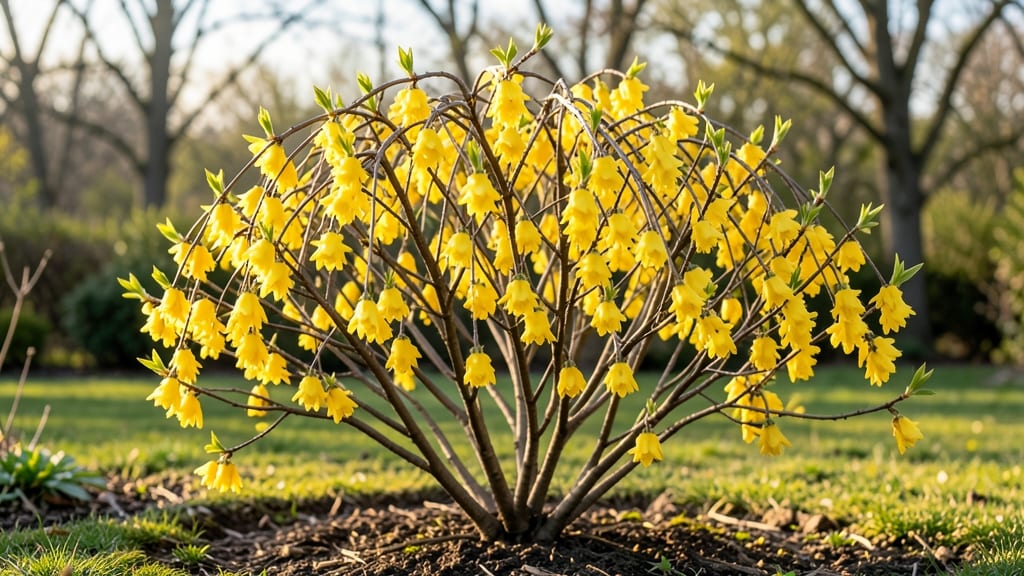
The forsythia tree form’s bright yellow blooms scream spring, but their natural multi-stemmed, arching habit makes them a year-round garden star. 🌿 I used to prune mine too late—now I shape them in late winter, right before buds swell, to keep that graceful, slightly wild silhouette that looks stunning even when not in bloom.
The secret is selective pruning: cut back about one-third of the oldest stems each year to encourage new growth while maintaining that airy, layered look. Weeping varieties need even lighter touches—just thin out crowded branches to let sunlight filter through.
My favorite look? A slightly informal, natural shape that still feels intentional, with a few taller stems for height and shorter ones for texture.
You’ll end up with a tree that’s lush in spring, still interesting in summer, and has beautiful bark texture in winter. Pair it with evergreens like boxwood or hemlock for contrast, or let it shine against dark foliage like holly for a striking combo.
The right pruning turns forsythia from a wild shrub into a structured focal point that works year-round.
Works for small yards, foundation plantings, or even as a standalone specimen. The key is patience—forsythia rewards gentle shaping over time. Here’s how to get started without sacrificing that signature spring burst of color.
📚 In This Guide
- What you need
- Instructions
- Tips and common mistakes
- Wrapping up and next steps
What you need
- ● Pruning shears: Bypass pruners (sharp, 6–8 inch blades) for clean cuts on small branches.
- ● Loppers: 8–12 inch bypass loppers for thicker stems (up to 2 inches in diameter).
- ○ Pruning saw: Curved-tooth saw for branches thicker than 2 inches (optional but helpful for mature forsythia).
- ● Gloves: Heavy-duty gardening gloves (cut-resistant for safety).
- ● Disinfectant: 70% isopropyl alcohol or a pruning sealant (to prevent disease spread).
- ● Twine or zip ties: For temporary support if shaping large branches.
- ○ Marking twine or spray paint: To outline cuts before pruning (optional but handy for beginners).
- ● Timing: Prune forsythia after flowering (late spring/early summer) to encourage new growth.
- ● Weather check: Choose a dry, overcast day to avoid stressing the tree.
- ● Safety gear: Safety glasses (if sawing large branches) and long sleeves.
- ● Cleanup supplies: Heavy-duty trash bags for debris (forsythia sheds a lot!).
Step-by-Step pruning for a graceful forsythia tree form
Here’s how I transform wild, sprawling forsythia into a structured, year-round beauty—no guesswork involved.
🌿 Step 1: Assess the Current Structure and Plan Your Cuts
Start by examining your forsythia in late winter, just before new growth begins. Look for the strongest central leader—the tallest, straightest branch that naturally dominates the plant. This will be your focal point. I like to sketch a rough outline of the branches, marking which ones cross, rub together, or grow inward. These are the first candidates for removal—they compete for energy and create weak, crowded growth.
Next, identify the scaffold branches—the 3-5 main branches that will form the tree’s framework. These should radiate outward at a 45-degree angle from the trunk. If your forsythia is already mature, you may need to thin out older, weaker branches to open up the center. Use pruning shears to make a clean, diagonal cut just above an outward-facing bud. This ensures the new growth follows your desired shape.
✂️ Step 2: Remove Dead, Diseased, or Weak Branches
Begin by cutting out any dead, diseased, or damaged branches—these are easy to spot as they’re brown, brittle, or lack leaves. Make your cuts just outside the branch collar, the swollen area where the branch meets the trunk or another branch. Avoid leaving stubs, as they invite rot and pests. For larger branches, use loppers or a pruning saw to make clean cuts without tearing the bark.
Next, focus on weak or crossing branches. These often grow in the center of the tree, blocking light and air circulation. When two branches cross, the one growing downward or inward should go first. If they’re the same size, remove the weaker of the two. Always cut back to a bud or lateral branch—never leave a bare stem. This encourages healthy regrowth and maintains the tree’s natural form.
☀️ Step 3: Shape the Tree by Thinning and Selective Pruning
Now it’s time to refine the tree’s structure. Step back and visualize the ideal shape—forsythia responds well to an open-centered form, allowing light to penetrate and flowers to display beautifully. Start by thinning the outer canopy to create an airy, balanced silhouette. Remove up to one-third of the oldest wood to stimulate new growth and rejuvenate the tree.
For branches that are too long or leggy, make heading cuts just above a bud that faces outward. Avoid cutting back to a stub or a lateral branch that’s too close to the main stem—this can lead to dense, weak growth. Instead, aim for a natural-looking taper, with the lower branches slightly thicker and the upper branches finer. This mimics the tree’s natural growth pattern and ensures long-term stability.
⏰ Step 4: Clean Up and Monitor Growth
After pruning, clean your tools with rubbing alcohol to prevent the spread of disease. Remove all clippings from the base of the tree to reduce the risk of fungal infections. Water the tree deeply if the soil feels dry, as pruning stresses the plant and it needs moisture to recover. Forsythia is tough, but a little extra care goes a long way, especially in the first few weeks after pruning.
Watch the tree closely over the next 4-6 weeks. New growth should emerge from the buds you left behind, filling in gaps and reinforcing your pruning decisions. If you notice any dieback or unusual discoloration, it could signal stress or disease. In that case, adjust your approach—forsythia is forgiving, but it’s better to prune lightly than to overdo it. By late summer, you’ll see how your cuts have shaped the tree, and you can plan next year’s adjustments accordingly.
Tips & tricks for perfect forsythia tree form
Here's what I learned after years of shaping these vibrant shrubs—these details make all the difference between a messy hedge and a showstopping tree.
Timing is Everything: Late winter is your golden window for pruning forsythia, just before buds swell but before leaves emerge. This timing ensures you're cutting back old growth while new growth is about to begin, giving you the best chance to shape the tree's form without sacrificing next season's blooms. I've ruined two forsythias by pruning too late—don't make my mistake!
The 45-Degree Rule: When selecting scaffold branches in Step 1, aim for that perfect 45-degree angle from the trunk. This angle creates natural strength and allows light to penetrate the center. I use a small protractor tool to verify angles—it's worth the investment for precision. The branches should look like they're reaching outward, not climbing straight up or collapsing inward.
Branch Collar Awareness: In Step 2, never cut flush with the trunk—always leave that swollen branch collar intact. This collar contains healing tissues that protect against disease. I've seen too many pruning jobs go wrong because people cut too close, leaving ugly wounds that take years to heal. Make your cuts just outside the collar, and you'll maintain the tree's health for decades.
Growth Monitoring: The 4-6 week monitoring period in Step 4 is crucial. During this time, watch for new buds to swell and leaves to form. If you notice any dieback or unusual discoloration, it's a sign the tree is stressed. I've found that a light application of fungicide during this period can prevent many common issues, especially in humid climates.
Pro Tips for Forsythia Tree Form
- Here's what I learned after years of shaping these vibrant shrubs—these details make all the difference between a messy hedge and a showstopping tree.
- Timing is Everything: Late winter is your golden window for pruning forsythia, just before buds swell but before leaves emerge.
- The 45-Degree Rule: When selecting scaffold branches in Step 1, aim for that perfect 45-degree angle from the trunk.
Frequently asked questions
Got questions about shaping and maintaining your forsythia’s form?
Here are answers to the most common queries—from pruning timing to troubleshooting wonky growth.
When is the best time to prune forsythia for optimal form?
Prune forsythia right after flowering (late spring, around May-June). This ensures you don’t cut off next year’s blooms, which form on old wood. Avoid heavy pruning in fall or winter—it can stimulate weak, leggy growth. For shaping, light trims in early summer also work!
Can I prune forsythia into a formal hedge shape?
Yes, but go easy! Forsythias thrive with a natural, open form. If you want a hedge, keep cuts moderate (no more than 1/3 of the branch) and prune new growth regularly. Over-pruning can stress the plant and reduce flowering. A loose, rounded shape looks best!
My forsythia has uneven growth—how do I fix it?
Uneven growth often means overcrowded branches or poor light exposure. Start by removing dead, crossing, or inward-growing branches at the base. Thin out dense areas to improve airflow. If one side is leggy, focus pruning there to encourage balanced regrowth.
Will pruning affect next year’s forsythia blooms?
Not if you time it right! Since forsythia blooms on old wood, avoid heavy cuts in late summer or fall. Light pruning after flowering won’t hurt blooms—just avoid cutting back more than 20-30% of the plant in one season. Patience pays off!
Are there dwarf forsythia varieties for smaller spaces?
Consider ‘Spring Glow’ or ‘Northern Gold’—both stay under 6 feet tall. These varieties need the same pruning care but are perfect for containers, small gardens, or as accent plants. Just follow the same post-bloom pruning rules for a tidy, compact form.
Wrapping up and next steps
Mastering the forsythia tree form through strategic pruning unlocks a stunning, year-round display of structure and color. Whether you’re shaping a weeping wonder or maintaining a classic arch, the key lies in patience, timing, and precision—plus a little love for your leafy companion! 🌿
Ready to transform your forsythia into a showstopper? Grab your pruners, dust off that ladder, and start small—even a single cut can make a difference. Happy pruning!