
Pruning
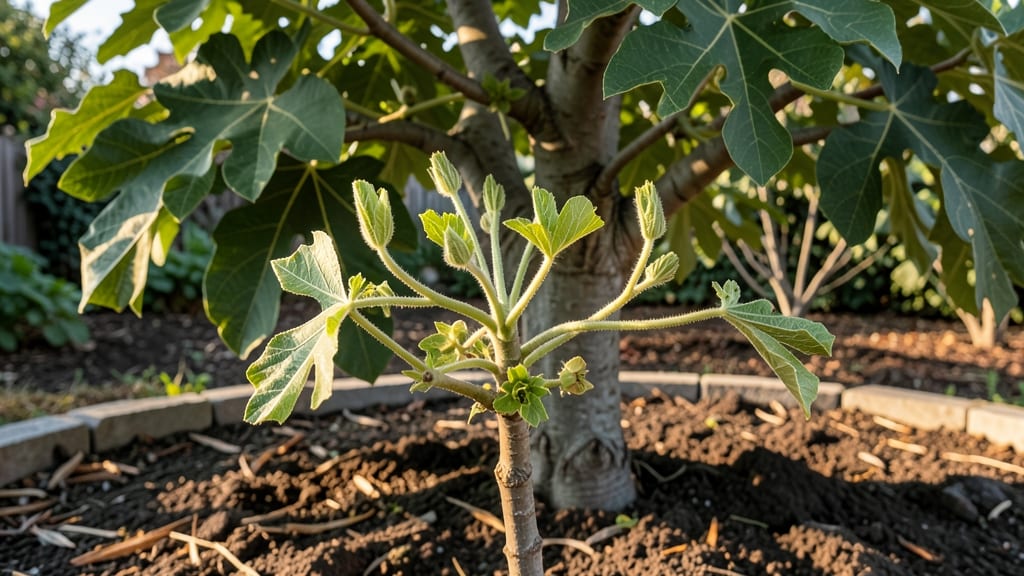
Fig tree shoots are your ticket to free, thriving fruit trees—if you know how to prune and propagate them right. 🌿 I’ve turned stubborn branches into new plants that now produce sweeter figs than the original, and the process is simpler than it sounds once you understand the timing and cuts.
The key is pruning at the right moment: late winter or early spring, before new growth starts. You’ll want 4-6 inch semi-hardwood shoots—thick enough to root but still flexible.
Cut just below a leaf node at a 45-degree angle, and remove the lower leaves to expose the nodes where roots will form. Whether you root in water or moist soil, humidity and warmth are your best friends.
Once rooted, these new shoots grow twice as fast as store-bought trees, and they fruit within 2-3 years (sometimes even the first year if pruned well). The secret? Consistent watering and a sunny spot—figs hate soggy roots but thrive in heat. I’ve even kept them in containers on my patio.
Common mistakes? Overwatering (which causes rot) or pruning too late (which stresses the tree). But once you nail the basics, you’ll have figs popping up everywhere—literally. Ready to multiply your harvest?
📚 In This Guide
- What you need
- Instructions
- Tips and common mistakes
- Wrapping up and next steps
What you need
- ● Pruning shears: Bypass pruners (for clean cuts on small branches, ¼”–½” thick)
- ● Loppers: For medium branches (½”–2” thick), with a long handle for leverage
- ● Pruning saw: For thick branches (2”+ thick), with a sharp, fine-tooth blade
- ● Disinfectant: 70% isopropyl alcohol or rubbing alcohol (to sterilize tools between cuts)
- ● Garden gloves: Heavy-duty, cut-resistant (to protect from thorns and sap)
- ● Rags or paper towels: For wiping tools and hands clean
- ○ Twine or zip ties: (Optional) For securing temporary supports if needed
- ● Know your fig tree’s age: Young trees (1–3 years) need light pruning; mature trees (3+ years) can handle heavier shaping.
- ● Best time to prune: Dormant season: Late winter/early spring (before buds swell)
- ● Post-harvest: Late summer/early fall (to encourage next year’s growth)
- ● Weather check: Prune on a dry, overcast day (avoid extreme heat or frost).
- ● Handheld leaf blower: Clears debris and sap from cuts quickly
- ○ Pruning sealant: (For large wounds) Tree wound dressing (optional; figs heal well naturally)
- ● Notebook & pen: To sketch your tree’s structure before/after pruning
- ● Ladder or stool: If your tree is taller than 6 feet
Instructions for pruning fig tree shoots
Here's how to keep your fig tree healthy, productive, and beautifully shaped all year long.
✂️ Step 1: Identify and Remove Weak or Crossing Shoots
Start by examining your fig tree for shoots that are growing inward or crossing others—these compete for sunlight and nutrients. Use sharp pruning shears to make clean cuts just above a leaf node or outward-facing bud. I always prune during late winter or early spring before new growth begins, when the tree is still dormant but about to wake up.
Look for shoots that are thin, pale, or growing at odd angles. These often won't produce fruit and can harbor pests. Remove them entirely at the base. You'll notice stronger shoots have a thicker, darker green stem and grow outward from the tree's center. Keep about 4-6 of the strongest, most outward-growing shoots per branch to maintain balance.
✂️ Step 2: Thin Out Overcrowded Branches
Fig trees produce fruit on new wood, so you want to encourage strong, well-spaced branches. Focus on removing shoots that are growing too close together—aim for about 6-8 inches of space between branches. This prevents shading and allows air to circulate, reducing disease risk.
Start from the center of the tree and work outward. If a branch is growing directly upward, prune it back to a lower bud to encourage a more open, vase-like shape. You'll see the tree's natural structure emerge as you thin. For mature trees, never remove more than 25% of the foliage in one season—figs are sensitive to heavy pruning.
☀️ Step 3: Prune for Light and Airflow
Step back and look at your tree from all angles. Prune any branches that block sunlight from reaching the center or lower parts of the tree. Figs need plenty of light to produce fruit, so aim to keep the canopy open. Cut back branches that grow too close to the trunk or other main limbs, making sure your cuts are at a slight angle just above a bud.
Remove any dead, diseased, or damaged branches first—they drain energy from the tree. You'll notice healthy branches have smooth bark and vibrant green leaves. For larger branches, use loppers and make the cut just outside the branch collar (the swollen area where the branch meets the trunk). This ensures the tree can seal the wound properly and prevents rot.
⏰ Step 4: Summer Pruning for Fruit Production
After the initial spring pruning, wait until late summer to do a light shaping trim. This is when figs set fruit for the following year, so focus on encouraging new growth. Remove any suckers (shoots growing from the base or roots) and any water sprouts (fast-growing, vertical shoots). These compete with fruit production.
Prune just enough to maintain the shape you want—figs respond well to gentle summer pruning. You'll see new shoots forming within weeks, so time your cuts to encourage these to mature before winter. Avoid heavy pruning in summer, as it can stress the tree and reduce fruit set. Instead, do light maintenance to keep the tree open and airy.
✂️ Step 5: Clean Up and Sanitize Tools
After pruning, clean up all fallen branches and debris from the base of the tree. This prevents pests and diseases from overwintering. Use a sharp pair of pruners or loppers, and disinfect them with rubbing alcohol between cuts to avoid spreading pathogens. I always wipe down my tools after each session—it's a small step that makes a big difference in tree health.
Rake up any clippings and dispose of them in a sealed bag or compost pile. Never leave pruned material under the tree, as it can harbor fungi or insects. Once you're done, take another look at your tree. You should see an open, well-lit structure with strong branches ready to produce fruit. A little pruning now means bigger, sweeter figs later!
Tips & tricks for pruning fig tree shoots
Mastering the art of pruning transforms your fig tree from a tangled mess into a fruit-bearing powerhouse. Here's how to avoid common pitfalls and maximize your tree's potential.
Timing is Everything: Late winter or early spring is the ideal window for pruning fig trees—right before buds swell but before new growth begins. This timing allows the tree to heal quickly and prepares it for the growing season. If you miss this window, avoid pruning during extreme heat or cold, as stress can harm the tree. I've learned this the hard way after seeing trees struggle when pruned at the wrong time.
Visual Cues for Healthy Shoots: When selecting which shoots to keep, look for stems that are thicker, darker green, and grow outward from the tree's center. These are your fruit-producing stars. Thin shoots that grow inward or cross others should be removed entirely at the base. Remember, you're shaping the tree's future—think of it like sculpting a masterpiece. Aim to keep about 4-6 of the strongest shoots per branch for balance.
Pruning Technique Matters: Always make clean cuts just above a leaf node or outward-facing bud. Using sharp pruning shears ensures clean cuts that heal faster. For larger branches, use loppers and cut just outside the branch collar. This technique promotes better healing and prevents disease. I've seen so many trees suffer from improper cuts—don't make my mistake!
Seasonal Maintenance: After the initial spring pruning, perform light shaping trims in late summer to encourage new growth for next year's fruit. Focus on removing suckers and water sprouts, which compete with fruit production. Think of summer pruning as a gentle touch-up rather than a major overhaul. This approach keeps your tree healthy and productive year after year.
Pro Tips for Fig Tree Shoots
- Mastering the art of pruning transforms your fig tree from a tangled mess into a fruit-bearing powerhouse.
- Timing is Everything: Late winter or early spring is the ideal window for pruning fig trees—right before buds swell but before new growth begins.
- Visual Cues for Healthy Shoots: When selecting which shoots to keep, look for stems that are thicker, darker green, and grow outward from the tree's center.
Frequently asked questions
Got questions about nurturing your fig tree shoots? You’re not alone! Here are some of the most common queries—plus clear, actionable answers to keep your tree thriving.
When is the best time to prune fig tree shoots for fruit production?
The ideal time to prune is late winter or early spring (before buds swell) to encourage robust new growth. However, light pruning can happen year-round to remove dead wood or overgrowth. Avoid heavy pruning in fall—it may stress the tree before winter dormancy.
How often should I prune fig tree shoots?
Prune once a year for maintenance, but check your tree every few months for:
- Dead or diseased branches (remove immediately)
- Overcrowded shoots (thin out to improve air circulation)
- Shoots growing inward (prune to open the canopy)
Can I prune fig tree shoots too much? What are the signs?
Yes! Over-pruning can stunt fruit production or weaken the tree. Watch for:
- No new growth after pruning (sign of stress)
- Fewer or smaller figs than usual
- Yellowing leaves or wilting
What if my fig tree shoots aren’t growing after pruning?
Check these fixes:
- Light: Fig trees need 6+ hours of sun daily—relocate if shaded.
- Water: Keep soil consistently moist (not soggy) during growth spurts.
- Fertilizer: Apply a balanced 10-10-10 fertilizer in spring to boost energy.
- Patience: Some varieties (like ‘Brown Turkey’) grow slowly—wait 4–6 weeks for new shoots.
Are there alternatives to pruning fig tree shoots for shaping?
Yes! Try these low-maintenance methods:
- Topiary training: Guide shoots with stakes and twine to create shapes (great for espalier figs!).
- Selective thinning: Remove only competing shoots (those growing toward the center) instead of heavy pruning.
- Natural shaping: Let the tree grow wild in mild climates—many figs thrive with minimal intervention.
Wrapping up and next steps
Fig tree shoots may seem delicate, but with the right pruning techniques, you can transform them into a thriving, fruitful tree year-round! 🌿 Whether you're trimming for shape, boosting fruit production, or encouraging new growth, the key is patience and precision.
Start small, observe your tree’s response, and adjust your approach as needed—your hard work will pay off in lush foliage and delicious figs.
Ready to take the next step? Grab your pruners, dust off your gardening gloves, and schedule your first pruning session this season! And if you’re feeling ambitious, experiment with propagation—those cuttings could be the start of another stunning fig tree. Happy pruning! 🌟