
Pruning
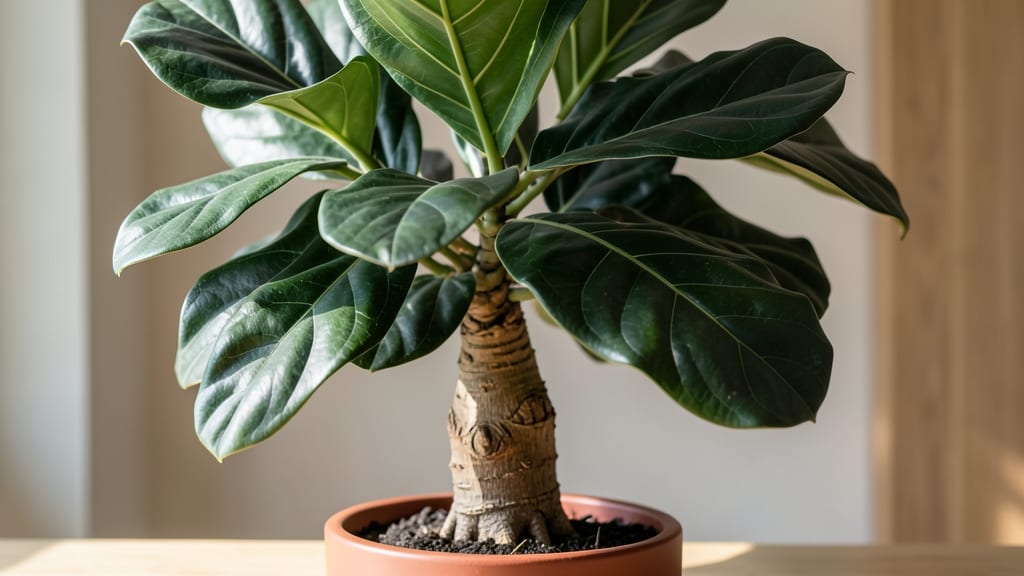
A ficus tree in a planter brings lush, tropical vibes to tiny balconies and cozy corners. 🌿 I’ve stuffed my 6x6-foot patio with three ficus trees in stylish pots—no yard needed—and they’ve become the focal point of my outdoor space.
The key isn’t just the planter; it’s matching the tree’s slow-but-steady growth to the container’s size so it thrives without outgrowing its home.
Start with a pot 12-18 inches wide—big enough for roots but not so deep it holds too much moisture. Ficus trees hate soggy feet, so drainage holes are non-negotiable, and a cache pot (saucers with pebbles) keeps roots happy without drowning.
Place your planter where it gets bright, indirect light—near a south-facing window or under a patio umbrella—and you’ll see glossy new leaves within weeks.
What you’ll end up with is a year-round statement piece that stays compact, grows denser foliage, and fits seamlessly into any decor scheme. Mine now have thick trunks and full canopies, all while staying under 6 feet tall—perfect for small spaces.
The best part? You can move them indoors for winter or swap pots for seasonal color updates.
Works for both outdoor patios and indoor living rooms, and the same rules apply whether you’re growing a Ficus elastica or a Ficus benjamina. Here’s how to keep yours thriving without the guesswork.
📚 In This Guide
- What you need
- Instructions
- Tips and common mistakes
- Wrapping up and next steps
What you need
- ● Ficus tree in planter: Choose a healthy, mature specimen (e.g., Ficus elastica or Ficus benjamina) with a sturdy root system.
- ● Planters: 1–2 containers with drainage holes (size depends on tree height—12–24 inches wide for small ficus).
- ● High-quality potting mix: 1–2 bags of well-draining soil blend (e.g., 60% peat moss, 20% perlite, 20% sand).
- ● Pruning tools: 1 pair of sterilized bypass pruners (for clean cuts).
- ● 1 small hand saw (if dealing with thick branches).
- ○ Root stimulator: 1 bottle (optional but helpful for repotting).
- ● Watering can or hose: With a gentle spray nozzle.
- ● Decorative planter liner: For a polished look (e.g., plastic or fabric).
- ● Slow-release fertilizer: 1–2 pellets to boost growth.
- ● Mulch: Ornaments or pebbles to retain moisture.
- ● Support stake: If your ficus needs extra stability.
- ● Gloves & apron: To keep things tidy during pruning!
Step-by-step guide to growing a ficus tree in a planter
Here’s how to cultivate a thriving, space-efficient ficus that stays compact and healthy in a planter.
🪴 Step 1: Select the Right Planter and Soil Mix
Choose a planter with drainage holes—ficus roots rot easily in soggy conditions. A 12-18 inch diameter container works for most varieties, like the popular Ficus elastica or Ficus benjamina. I prefer terracotta because it breathes and helps regulate moisture, but plastic will work if you monitor watering closely.
Use a well-draining potting mix—never garden soil. I blend 50% premium potting mix, 30% perlite or pumice, and 20% orchid bark for aeration. This prevents compaction and mimics the tree’s natural, airy root environment. Fill the pot to 1 inch below the rim to avoid spills during watering.
🌱 Step 2: Plant and Prune for Compact Growth
Remove the ficus from its nursery pot and loosen the roots gently if they’re tightly bound. Place it in the center of the planter, ensuring the root flare (where roots meet the trunk) sits ½ inch above the soil line. This prevents rot and encourages stability.
Here’s the trick for compact growth: prune ⅓ of the top growth right after planting. Cut just above a leaf node (the bump where leaves attach) with clean, sharp pruners. This stimulates bushier growth and keeps the tree manageable in small spaces. Discard the cuttings—don’t compost them, as ficus sap can irritate skin.
☀️ Step 3: Position for Bright, Indirect Light
Ficus trees thrive in bright, indirect light—think east or north-facing windows or 6 feet from a south window. Direct sun scorches leaves, while dim light causes leggy growth. You’ll know the light is right when leaves stay deep green and new growth appears evenly spaced.
Rotate the planter ¼ turn weekly so the tree grows symmetrically. If you notice leaves yellowing or dropping, it’s a sign of too much direct sun. Move it back a few feet or add a sheer curtain to diffuse the light. In winter, supplement with a grow light if natural light drops below 12 hours daily.
💧 Step 4: Water and Fertilize for Healthy Growth
Water when the top 1-2 inches of soil feel dry—stick your finger in to check. Ficus trees hate soggy roots but also dislike drying out completely. Water deeply until it drains from the bottom, then empty the saucer to prevent root rot. I water mine every 7-10 days in summer and every 2-3 weeks in winter, adjusting for humidity and light.
Feed with a balanced liquid fertilizer (10-10-10) every 4-6 weeks during spring and summer. Reduce to every 8 weeks in fall and winter. Over-fertilizing burns roots, so always dilute to half-strength unless the label says otherwise. You’ll see healthy growth when new leaves emerge bright green and glossy.
✂️ Step 5: Prune and Maintain for Long-Term Health
Prune 2-3 times a year to encourage compact growth and remove dead or yellowing leaves. Cut back leggy stems to a leaf node, and pinch back new growth to 3-4 leaves to keep the tree bushy. This isn’t just about looks—pruning improves airflow, reducing the risk of fungal diseases.
Wipe leaves with a damp microfiber cloth monthly to remove dust, which blocks light absorption. In spring, repot if roots are circling the edges of the planter. Choose a container 2-3 inches larger in diameter and refresh the soil mix. This keeps the ficus vigorous without overwhelming your small space.
Tips & tricks for perfect ficus tree growth in planters
Small spaces don't mean small results—here's how to maximize your ficus's potential while keeping it thriving.
Soil Mix Pro Tip: When mixing your 50% premium potting mix, 30% perlite/pumice, and 20% orchid bark, sift the perlite first to remove any fine particles. Ficus roots love that airy texture, but even tiny bits of fine perlite can compact over time and reduce drainage. I also add a handful of worm castings (optional) to boost microbial activity—your tree will thank you with glossier leaves.
Pruning Precision: That initial ⅓ pruning right after planting is crucial, but don't stop there. For ongoing compact growth, focus on cutting just above leaf nodes where multiple buds appear. Look for those tiny bumps where new leaves will sprout—this encourages branching. I use a small notched pruner to make clean cuts without crushing stems, and always sterilize my tools with rubbing alcohol between cuts to prevent disease.
Light Positioning Hack: If your east-facing window gets intense morning sun, place your ficus 3 feet back from the glass. The light should be bright but diffused—think of it as standing under a canopy on a sunny day. For north windows, you might need to supplement with a grow light for 4-6 hours daily during winter. I use a simple LED clip light on a timer to avoid overdoing it.
Watering Wisdom: The finger-check method for soil moisture works, but here's a pro move: insert a wooden chopstick into the soil after watering. If it comes out dry at the 2-inch mark, you've watered enough. If it's still damp, wait another day. This prevents both underwatering and the root rot that comes from overwatering—especially critical in those 12-18 inch planters where drainage matters most.
Pro Tips for Ficus Tree In Planter
- Small spaces don't mean small results—here's how to maximize your ficus's potential while keeping it thriving.
- Soil Mix Pro Tip: When mixing your 50% premium potting mix, 30% perlite/pumice, and 20% orchid bark, sift the perlite first to remove any fine particles.
- Pruning Precision: That initial ⅓ pruning right after planting is crucial, but don't stop there.
Frequently asked questions
Got questions about keeping your ficus tree thriving in a planter? You’re not alone! Here are answers to the most common concerns—from pruning to placement—so you can grow with confidence.
How often should I prune a ficus tree in a planter?
Prune your ficus lightly 2–3 times a year to control shape and size. Focus on removing dead or leggy branches in early spring or after flowering. Avoid heavy pruning—it can stress the tree. Pro tip: Always sterilize tools with rubbing alcohol to prevent disease!
Can a ficus tree stay in a planter forever, or will it outgrow it?
Ficus trees are adaptable but will eventually outgrow small planters (typically within 3–5 years). Choose a planter with drainage holes and upgrade to a 1–2 inch larger container every 2–3 years. Root-bound trees may drop leaves—repot if you see roots circling the bottom!
Why are my ficus leaves turning yellow in a planter?
Yellow leaves usually signal overwatering or poor drainage. Let the top 1–2 inches of soil dry out between waterings, and ensure your planter has drainage holes. Check for root rot by gently lifting the tree—smelly, mushy roots need immediate repotting with fresh, well-draining soil.
What’s the best soil mix for a ficus in a planter?
Use a lightweight, airy mix like 60% potting soil, 20% perlite, and 20% orchid bark or coconut coir. Avoid heavy garden soil—it compacts and suffocates roots. For extra drainage, add a layer of gravel or pumice at the bottom of the planter.
Can I move my ficus planter outdoors in winter?
Ficus trees thrive indoors but can tolerate brief outdoor exposure in mild winters (temps above 50°F/10°C). Avoid frost, strong winds, or direct sun. If moving it outside, acclimate gradually over 1–2 weeks. Bring it back indoors if leaves wilt or drop suddenly!
Wrapping up and next steps
Growing a ficus tree in a planter is a fantastic way to bring nature indoors—even in the coziest spaces!
With the right pruning techniques, light, and care, your compact tree can thrive for years while adding lush greenery to your home. Don’t let small spaces hold you back—your ficus is ready to flourish!
Now that you’re armed with tips and tricks, why not take the next step? Grab your pruning shears, assess your tree’s needs, and give it the love it deserves. Start small, stay consistent, and watch your ficus grow into a stunning centerpiece! 🌿✨