
Flowers
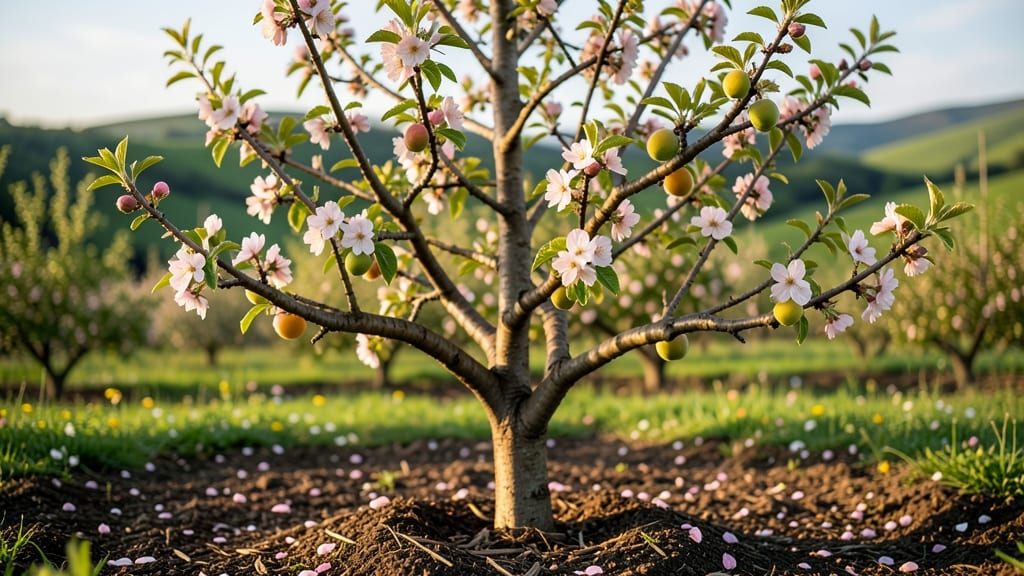
Peach tree flowers do turn into fruit when properly pollinated, transforming each blossom into a peach over 60-90 days—assuming bees or wind carry pollen and temperatures stay above 50°F during bloom.
This transformation happens because each flower's ovary swells after successful fertilization, eventually becoming the fruit we harvest. 🌸 The process relies heavily on pollinators like bees, which transfer pollen between blossoms, and stable weather conditions that prevent flower drop. Without proper pollination, flowers may fall off without developing into fruit.
Once pollinated, peach trees go through three key stages: first, the ovary grows rapidly; then, the pit hardens around 4-6 weeks; finally, the fruit ripens over the remaining weeks. Proper care during these stages—like consistent watering and protecting against pests—directly impacts fruit quality and yield.
💡 In This Article
- Peach Tree Pollination Process and Fruit Development Stages
- Maximizing Peach Fruit Set: Pruning, Pollinator Support, and Care Tips
Peach tree pollination process and fruit development stages
Peach tree flowers undergo a fascinating biological transformation once pollinated. Each blossom contains both male and female reproductive parts, but fertilization requires pollen transfer from one flower to another.
When bees or wind carry pollen to a compatible flower's stigma, the pollen tube grows down the style to reach the ovary, triggering fertilization. This process causes the ovary to swell and develop into the fruit we recognize as a peach, while the flower's petals naturally drop away.
The entire development timeline spans roughly 60-90 days, divided into three distinct phases. First comes the fertilization and ovary growth phase (0-21 days), where the ovary rapidly expands as cells divide. Next is the pit hardening phase (21-42 days), when the seed inside develops its characteristic hard shell.
Finally, the ripening phase (42-90 days) focuses on sugar accumulation and color development. Temperature plays a crucial role—below 50°F, pollen germination slows dramatically, while above 90°F can cause flower drop.
What's particularly interesting is how the fruit's texture changes during these stages. Initially, the developing peach feels firm and slightly woody as cell walls strengthen. Around 30-40 days post-pollination, you can feel the pit hardening through the skin when gently squeezed.
By the final ripening phase, the fruit softens as pectin breaks down and sugar content increases from about 8% to 15%, giving mature peaches their signature sweetness and juiciness.
Pollinators like honeybees and native bees are essential for this process. A single bee can visit 50-100 flowers per hour, dramatically increasing fruit set. Without adequate pollination, flowers may simply fall off the tree without developing further—a condition called "flower drop."
Even with perfect pollination, environmental factors like late spring frosts or drought can stress the tree and reduce fruit development, sometimes causing the ovary to abort growth.
Here's what happens at the cellular level: After fertilization, the ovule becomes the seed while surrounding ovary tissues differentiate into the fruit's flesh. The skin develops from the flower's sepals, which harden and take on color.
Meanwhile, the tree's vascular system transports nutrients to the developing fruit, with water uptake increasing by up to 30% during peak growth periods. This biological process explains why peaches always contain a single pit—they're essentially fertilized seeds encased in edible tissue.
Understanding these stages helps explain why some years produce better peach harvests than others. For example, a warm spring with abundant pollinators might yield 80-90% fruit set, while a cool, rainy season could drop that to 30-50%.
The tree's energy allocation also matters—young trees may prioritize growth over fruit production, while mature trees with proper pruning can focus energy on developing high-quality peaches.