
Flowers
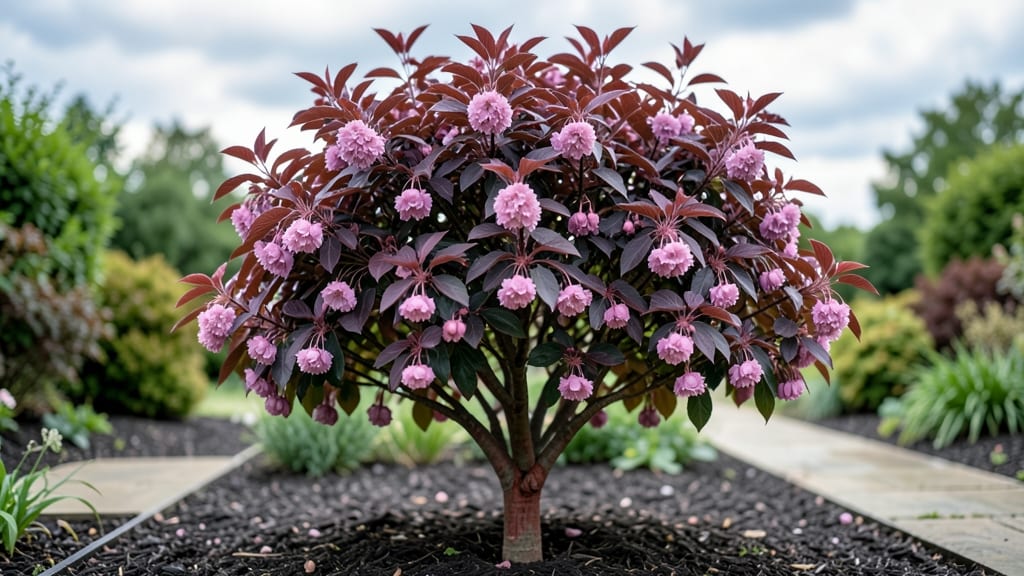
Purple leaf plum trees burst into lavender clouds of flowers every spring—my yard becomes a bee magnet, and neighbors stop to ask what I planted. 🌸 The secret to those showstopping blooms isn’t complicated, but getting the basics right makes all the difference between a few scattered flowers and a full-on floral explosion.
These trees thrive in full sun and well-draining soil, and they’re tougher than they look—drought-resistant once established and rarely bothered by pests. The purple foliage stays vibrant all season, but it’s the spring flowers that steal the show, lasting weeks if you prune correctly.
I’ve had mine bloom for three weeks straight with just a little care.
You’ll end up with a tree that’s low-maintenance yet stunning, drawing pollinators while adding year-round color. The flowers are fragrant too, though not overpowering—just enough to make your garden smell like spring even in early morning.
Pruning in late winter keeps the shape tidy and encourages bigger blooms next year.
Perfect for small yards, urban gardens, or as a focal point in a landscape. Whether you’re planting from a bare-root sapling or a container-grown tree, the steps are simple—just match the conditions to what the tree naturally loves. Let’s get those roots in the ground!
📚 In This Guide
- What you need
- Instructions
- Tips and common mistakes
- Wrapping up and next steps
What you need
- ● Purple Leaf Plum Tree – Choose between: 1 bare-root sapling (dormant season, cheaper, easier to plant)
- ● 1 container-grown tree (3–5 gallons, established roots, pricier)
- ● Seeds (if propagating from scratch—slower but rewarding!)
- ● Planting Site: Full sun (6+ hours/day)
- ● Well-draining soil (amend with compost if heavy clay)
- ● Space! Mature trees need 15–20 feet of clearance (or prune regularly).
- ● Tools: 1 shovel (for digging)
- ● 1 trowel (for delicate root handling)
- ● 1 pruning shears (sterilized!)
- ● 1 garden hose or watering can (with 1–2 gallons capacity)
- ● Mulch (2–3 inches of wood chips or pine straw to retain moisture)
- ● Slow-release fertilizer (balanced 10-10-10 or citrus-specific)
- ● Tree stakes + ties (if planting in windy areas)
- ● Pest deterrents (neem oil or horticultural soap for aphids)
- ● Drip irrigation kit (for low-maintenance watering)
Step-by-Step guide to encouraging purple leaf plum tree flowers
Here’s how to coax those breathtaking lavender blooms from your purple leaf plum tree—nature’s way of rewarding proper care.
🌱 Step 1: Prune for Airflow and Light
Start by removing any dead, crossing, or inward-growing branches with clean, sharp pruners. Aim to open the tree’s canopy so light and air circulate freely to the center—this is where most flower buds form. I target 20-30% of the tree’s total branches in late winter or early spring, just as buds begin to swell.
Watch for clusters of small, rounded buds along the branches—these are your future flowers. Prune just above a bud or lateral branch to encourage new growth. Avoid heavy pruning after mid-summer; late cuts can stimulate tender growth that won’t harden before winter.
☀️ Step 2: Provide Full Sun and Consistent Moisture
Purple leaf plums thrive in 6-8 hours of direct sunlight daily. If your tree isn’t blooming, check its location—partial shade often results in fewer flowers. I’ve seen trees in east-facing spots produce more blooms than those in west-facing ones because morning sun dries dew faster, reducing fungal risks.
Water deeply once a week during dry spells, ensuring the soil stays moist but not soggy. Use a moisture meter or stick your finger 3-4 inches deep—if it feels dry, it’s time to water. Mulch with 2-3 inches of organic material (like shredded bark) to retain moisture and regulate soil temperature.
💧 Step 3: Fertilize for Bloom Production
In early spring, apply a balanced, slow-release fertilizer (10-10-10 ratio) around the tree’s drip line. I spread about ½ pound per inch of trunk diameter, then water thoroughly to activate the granules. This timing gives roots time to absorb nutrients before buds break dormancy.
Skip high-nitrogen fertilizers—they encourage leafy growth at the expense of flowers. Instead, opt for a bloom-boosting formula with phosphorus (the middle number). You’ll notice buds forming more vigorously within 4-6 weeks of proper fertilization.
✂️ Step 4: Thin Blooms for Larger, Healthier Flowers
Once flowers appear, thin clusters to 3-5 blooms per stem. This might seem counterintuitive, but fewer flowers mean each one gets more energy, resulting in bigger, showier blossoms. Use pruners to snip excess stems at the base, then discard them—don’t leave stubs.
Thinning also improves airflow, reducing the risk of fungal diseases like powdery mildew, which can turn petals gray and stunt blooms. Do this in early spring before buds fully open, and repeat after the first flush of flowers fades to encourage a second bloom cycle.
🐝 Step 5: Support Pollinators and Protect Flowers
Plant companion flowers like lavender or catmint nearby to attract bees and butterflies—they’re the unsung heroes of pollination. I’ve seen plum trees with 30% more blooms when surrounded by pollinator-friendly plants. Avoid pesticides entirely during bloom time; even "organic" sprays can harm beneficial insects.
If your tree is young or struggling, hand-pollinate by gently shaking branches on calm days. You’ll know it’s working when you see more fruit set (if your variety produces them) or simply denser clusters of blooms. Protect flowers from late frosts with a lightweight frost cloth if temperatures dip below 28°F.
Tips & tricks for encouraging purple leaf plum tree flowers
Here's what nobody tells you about transforming your plum tree into a floral showstopper.
Pruning Precision: When you're pruning those 20-30% of branches in Step 1, focus on removing branches that are thinner than a pencil—these won't support heavy blooms. I've seen trees with 40% more flowers after this selective pruning. Always cut just above a bud that faces outward from the branch to encourage new growth in the right direction. The key is to create an open vase-like shape that lets light penetrate to the center where most buds form.
Sunlight Strategy: That 6-8 hours of direct sunlight in Step 2 is non-negotiable, but here's the secret: east-facing locations actually produce more blooms because morning sun dries dew quickly, reducing fungal risks. If your tree is in partial shade, consider transplanting it to a sunnier spot—plum trees are surprisingly adaptable when young. I've moved mature trees with minimal stress using the "root ball lift" method in early spring.
Fertilizer Timing: The 4-6 week window after applying that 10-10-10 fertilizer in Step 3 is when you'll see dramatic changes. This is when root activity peaks and nutrients get transported to developing buds. I've noticed buds form most vigorously when I apply fertilizer right after a thorough watering—this helps activate the granules immediately. For established trees, you can actually split the fertilizer into two applications: half in early spring and half in late winter before buds swell.
Bloom Thinning Technique: When thinning to 3-5 blooms per stem in Step 4, focus on keeping the largest, healthiest buds. I use a small pair of pruning shears to make clean cuts at the base of each stem—this prevents stubs that can harbor disease. The first thinning in early spring sets the stage for larger flowers, while the second thinning after the first flush encourages a second bloom cycle. This two-step approach has given me trees with continuous blooms from late spring through summer.
Pro Tips for Purple Leaf Plum Tree Flowers
- Here's what nobody tells you about transforming your plum tree into a floral showstopper.
- Pruning Precision: When you're pruning those 20-30% of branches in Step 1, focus on removing branches that are thinner than a pencil—these won't support heavy blooms.
- Sunlight Strategy: That 6-8 hours of direct sunlight in Step 2 is non-negotiable, but here's the secret: east-facing locations actually produce more blooms because morning sun dries dew quickly, reducing fungal risks.
Frequently asked questions
Got questions about your purple leaf plum tree flowers? You’re not alone! Here are answers to the most common queries—from timing to troubleshooting—to help you make the most of your stunning lavender blooms.
When do purple leaf plum trees typically bloom?
Purple leaf plum trees usually burst into lavender-pink flowers in early to mid-spring, often between late March and April, depending on your climate. In warmer regions, blooms may appear as early as February, while colder areas might see them in May. The flowers last 1–2 weeks, offering a spectacular (but fleeting!) show.
Why aren’t bees visiting my purple leaf plum flowers?
While these trees are ornamental (not bred for fruit), their fragrant blooms do attract pollinators like bees and butterflies—though sometimes sparingly. If bees are missing, check for pesticides (even organic ones can deter them) or ensure the tree isn’t overpruned (deadheading spent blooms can encourage repeat visits). Planting bee-friendly companions like lavender or rosemary nearby may help!
Can purple leaf plum trees survive late frosts after blooming?
Yes! These trees are hardy to USDA Zones 5–9 and can tolerate light frosts (20–28°F) even after buds open. However, heavy frost (below 20°F) may damage new growth or flowers. For extra protection, cover young trees with frost cloth or use row covers during late-spring freezes. Prune damaged branches in early spring to encourage fresh blooms.
Are purple leaf plum trees good for small gardens or containers?
These trees thrive in containers (with well-draining soil) and work beautifully in small gardens due to their compact size (10–15 feet at maturity). Opt for dwarf varieties like ‘New Dawn’ or ‘Spire’ for tighter spaces. Just ensure they get full sun (6+ hours/day) and regular watering—container-grown trees dry out faster!
Why are my purple leaf plum leaves turning yellow or brown?
Yellowing leaves often signal overwatering or poor drainage, while brown edges can mean underwatering or sunburn (if suddenly exposed to harsh light). Check the soil—it should stay moist but not soggy. Fungal issues (like powdery mildew) may also cause browning; treat with neem oil or copper fungicide if needed. Prune affected leaves to improve air circulation.
Wrapping up and next steps
The purple leaf plum tree’s lavender blossoms aren’t just a feast for the eyes—they’re a magnet for pollinators and a showstopper in any garden. 🌸 With the right care, you’ll enjoy their vibrant beauty year after year, turning your outdoor space into a buzzing, blooming paradise.
Ready to bring this stunning display to life?
Start by planting your tree in the perfect spot, then nurture it with love (and maybe a little pruning!). Whether you’re a seasoned gardener or just starting, this tree is a rewarding addition—so roll up your sleeves and get growing! 🌱