
Fertilization
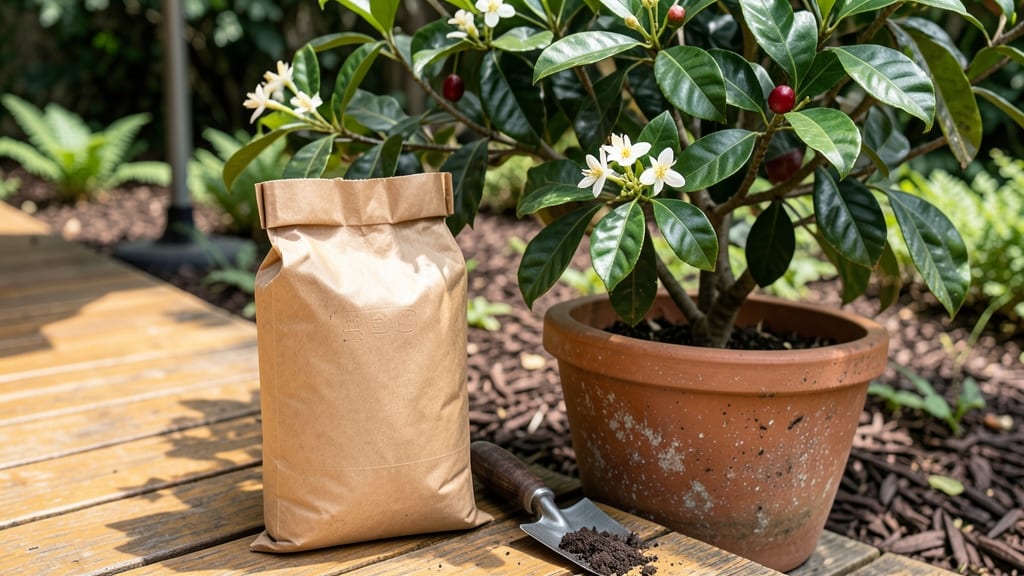
Your coffee tree's lush leaves and bold beans start with the right fertilizer. 🌱 I've learned the hard way that nitrogen-rich blends are non-negotiable—my first tree nearly stalled after I skipped the pre-flowering boost. The secret lies in balancing nutrients during each growth stage, from leafy vigor to fruiting power.
You'll need a 10-10-10 or 12-12-12 fertilizer (organic options like composted manure work too) plus a slow-release nitrogen source for steady growth. Application timing matters most: feed lightly during early growth, then ramp up before flowering.
Overdoing it now means bitter beans later—trust me, I've burned leaves trying to rush results.
By following this schedule, you'll see new leaves emerge within 4-6 weeks and beans plump up by harvest season. The key is consistency: monthly feedings during active growth, then tapering off as fruiting begins. Your tree will reward you with shiny leaves and heavy yields—no more sad, stunted plants.
Works for home gardeners and small farms alike. Here's how to avoid the common pitfalls that ruin harvests before they begin.
📚 In This Guide
- What you need
- Instructions
- Tips and common mistakes
- Wrapping up and next steps
What you need
- ● Nitrogen-rich fertilizer: 10-10-10 or 20-20-20 balanced fertilizer (1 lb per 10 sq ft of soil) OR
- ● Organic options like blood meal (1 tbsp per plant), fish emulsion (1 cup per gallon of water), or alfalfa meal (½ cup per plant).
- ● Slow-release fertilizer: Osmocote or similar (follow package rates for coffee trees).
- ● pH testing kit (to ensure soil pH is between 6.0–6.5).
- ● Garden gloves (to protect your hands from sharp tools and fertilizers).
- ● Watering can or hose (with a gentle spray nozzle to avoid disturbing soil).
- ● Hand trowel or garden fork (for mixing fertilizer into the top 6 inches of soil).
- ● Measuring cup/spoon (for precise fertilizer application).
- ● Pruners (to trim dead or overgrown branches before fertilizing).
- ○ Compost or well-rotted manure (optional but highly recommended for organic enrichment).
- ● Healthy, well-draining soil (coffee trees hate soggy roots!).
- ● Mature coffee tree (at least 1–2 years old; younger trees need gentle feeding).
- ● Sunny location (6+ hours of direct sunlight daily).
- ● Patience! Fertilizer effects take 4–8 weeks to show in leaf and bean growth.
- ● Mulch (wood chips or straw to retain moisture and regulate soil temp).
- ● Epsom salt (1 tbsp per gallon of water for magnesium boost, especially for yellowing leaves).
- ● Coffee grounds (dried and composted—adds nitrogen but use sparingly!).
- ● Soil moisture meter (to avoid over/under-watering post-fertilization).
Step-by-Step guide to fertilizing coffee trees for maximum yield
Here’s how I keep my coffee trees thriving with the right nitrogen-rich feeding schedule.
🌱 Step 1: Test Soil and Understand Your Tree’s Needs
Before adding fertilizer, test your soil’s pH and nutrient levels—coffee thrives in slightly acidic soil (6.0-6.5). I use a simple soil test kit to check nitrogen, phosphorus, and potassium levels. If nitrogen is low (2.5% or less), that’s your first clue you need a boost. Coffee trees are heavy feeders, especially during their active growing season (spring to early fall).
Take samples from multiple spots around the tree, about 6 inches deep—this gives you an accurate reading of what’s available to the roots. If your soil is already nitrogen-rich, you might need to focus on micronutrients like magnesium or zinc instead. I’ve seen trees with yellowing leaves that tested high in nitrogen but were actually starving for iron.
💧 Step 2: Apply a Balanced Nitrogen-Rich Fertilizer
Use a high-nitrogen fertilizer (10-10-10 or 12-12-12 ratio) for established coffee trees, or a higher nitrogen blend (like 16-4-8) if your soil test confirms a deficiency. I prefer organic options like blood meal or fish emulsion for their slow-release benefits, but synthetic fertilizers work too if applied correctly. Spread the fertilizer evenly in a 6-inch-wide band around the drip line—that’s where the tree’s feeder roots are most active.
Work the fertilizer into the top 2 inches of soil gently to avoid damaging roots. Over-application can burn the roots, so follow package instructions for dosage—usually about ½ pound per tree for young plants and up to 2 pounds for mature trees. Water the area thoroughly after applying to help dissolve and distribute the nutrients.
☀️ Step 3: Schedule Fertilizer Applications for Peak Growth
Apply fertilizer every 4-6 weeks during the growing season (March through September), but cut back to once every 8-10 weeks in winter when the tree is dormant. I mark my calendar with reminders because consistency is key—skipping feedings can lead to stunted growth or poor bean development. After each application, monitor the leaves for color changes: dark green and glossy means it’s working, while yellowing or browning signals over- or under-fertilization.
For young coffee trees (under 3 years old), reduce the amount by half to avoid shocking their delicate root systems. Mature trees, especially those producing beans, will show immediate signs of stress if they miss a feeding—look for slower growth or smaller leaves as warning signs. I also mix in a handful of compost or well-rotted manure with each feeding to improve soil structure and microbial activity.
✂️ Step 4: Supplement With Micronutrients for Bean Development
Once your coffee tree starts flowering and setting fruit, switch to a lower-nitrogen, higher-phosphorus fertilizer (like 5-10-10) to support bean development. I apply this mix every 6-8 weeks during the fruiting season, usually starting in late spring. Coffee beans are heavy feeders, and without enough phosphorus, they’ll struggle to develop properly. You’ll see this as small, underdeveloped cherries or poor coloration.
Don’t forget micronutrients! Sprinkle a chelated iron or magnesium supplement around the base of the tree every 3 months to prevent deficiencies like yellowing between the leaf veins (a classic sign of iron chlorosis). I’ve found that coffee trees in sandy or alkaline soils benefit most from these extra boosts. Always water the area well after applying supplements to help the nutrients reach the roots.
🪴 Step 5: Monitor and Adjust Based on Tree Response
After each feeding, watch for changes in leaf color, size, and overall vigor. Healthy leaves should be deep green, leathery, and free of spots. If you notice new growth slowing down or leaves curling, it might be time to adjust your fertilizer type or schedule. I keep a simple journal noting when I fertilize, what I use, and how the tree responds—this helps me fine-tune the routine over time.
If your tree is producing beans but the yield is low, consider a potassium-rich fertilizer (like 0-0-50) in late summer to strengthen the plant’s resistance to stress and disease. Over time, you’ll learn your tree’s preferences—some thrive on organic feeds, while others respond better to synthetic blends. The key is patience and observation. With the right feeding schedule, your coffee tree will reward you with bold, flavorful beans and lush, vibrant foliage.
Tips & tricks for perfect coffee tree fertilization
Here's what I learned after years of trial and error with my own coffee trees—these small adjustments make all the difference.
Soil Testing Accuracy: When testing soil pH in Step 1, take samples from multiple spots around the tree's drip line, not just one location. I've found that soil composition can vary dramatically even within a few feet of the same tree. For best results, mix at least 3-4 samples together before testing. The 6.0-6.5 pH range is critical—coffee trees are sensitive to even slight pH shifts, which can lock out essential nutrients like nitrogen and phosphorus.
Fertilizer Application Technique: In Step 2, I've discovered that gently raking the fertilizer into the top 2 inches of soil (rather than just sprinkling) creates better contact with root zones. For established trees, I use a small garden fork to create shallow channels where I apply the fertilizer, then cover lightly with soil. This method prevents surface runoff and ensures nutrients reach the feeder roots where they're most needed. The 6-inch-wide band around the drip line is perfect—any wider wastes fertilizer, any narrower risks missing active root zones.
Seasonal Adjustment Strategy: The 4-6 week feeding schedule in Step 3 works beautifully, but I've found that adjusting for local climate makes a huge difference. In hotter regions, you might need to fertilize more frequently (every 3-4 weeks) because nutrients break down faster in warm soil. Conversely, in cooler climates, extending to 6-8 weeks between feedings prevents over-fertilization. Always monitor leaf color—dark green and glossy means you're hitting the sweet spot, while yellowing indicates you need to adjust either the type or frequency of fertilizer.
Micronutrient Timing: For Step 4, I've learned that applying chelated iron or magnesium supplements right after a heavy rain gives them the best chance to penetrate the soil. The 3-month interval works well, but if you notice yellowing between leaf veins (iron deficiency) or purple tinges (phosphorus deficiency), don't wait—apply immediately. I keep a small bottle of liquid iron supplement handy for quick fixes. Remember that micronutrients work best when applied to slightly moist soil, so water the area lightly before applying if your region has been dry.
Pro Tips for Coffee Tree Fertilizer
- Here's what I learned after years of trial and error with my own coffee trees—these small adjustments make all the difference.
- Soil Testing Accuracy: When testing soil pH in Step 1, take samples from multiple spots around the tree's drip line, not just one location.
- Fertilizer Application Technique: In Step 2, I've discovered that gently raking the fertilizer into the top 2 inches of soil (rather than just sprinkling) creates better contact with root zones.
Frequently asked questions
Got questions about fertilizing your coffee tree?
You’re not alone! Whether you're a backyard grower or a small-scale farmer, proper fertilization can make or break your harvest. Here are answers to the most common concerns—plus a few pro tips to keep your coffee tree thriving.
When is the best time to fertilize a coffee tree?
Fertilize your coffee tree twice a year: once at the start of the rainy season (to kickstart growth) and again mid-season (to support flowering and fruiting). Avoid fertilizing during drought or extreme heat—roots need moisture to absorb nutrients efficiently. Pro tip: Light, frequent applications work better than heavy doses!
What if my coffee tree’s leaves turn yellow?
Yellow leaves often signal nitrogen deficiency or over-fertilization. Check the soil pH (ideal: 6.0–6.5) and adjust with sulfur or lime if needed. Reduce fertilizer temporarily and water deeply to flush excess salts. Watch for: Brown leaf edges = too much salt; pale green = nitrogen shortage.
Are organic fertilizers better than synthetic for coffee trees?
Both work, but organic options (like compost, manure, or bone meal) improve soil long-term and mimic natural conditions. Synthetic fertilizers (e.g., urea or NPK blends) offer precise nutrient control but risk burning roots if overused. Best of both worlds? Use a balanced 10-10-10 mix with organic amendments.
Can I use coffee grounds as fertilizer for coffee trees?
Yes! Coffee grounds are nitrogen-rich and great for soil health, but use them sparingly—too much can acidify the soil or attract pests. Mix 1 part grounds with 10 parts soil and bury them 2–3 inches deep. Bonus: They also repel slugs and improve moisture retention!
How often should I test my coffee tree’s soil?
Test soil every 6–12 months, especially if you notice stunted growth, poor yields, or nutrient deficiencies. A simple home test kit (for pH and NPK) works, or send a sample to a lab for a full analysis. Key nutrients to monitor: nitrogen (N), phosphorus (P), potassium (K), and micronutrients like magnesium and zinc.
What’s the easiest way to apply fertilizer without overdoing it?
Use the “drip irrigation method”: Place fertilizer granules 2–3 inches away from the tree trunk and water deeply to dissolve them. For liquid fertilizers, dilute to half-strength and apply every 4–6 weeks. Avoid direct contact with leaves—it can cause burns!
Wrapping up and next steps
Choosing the right coffee tree fertilizer—especially one rich in nitrogen—can transform your plants from struggling survivors to thriving stars. 🌱 Whether you opt for organic compost, synthetic blends, or homemade solutions, consistency and balance are key.
Your efforts will reward you with vibrant leaves, stronger growth, and those coveted bold beans!
Ready to take the next step? Start by monitoring your coffee tree’s response to the fertilizer and adjust as needed. Happy growing—your future brew depends on it! ☕✨