
Pruning
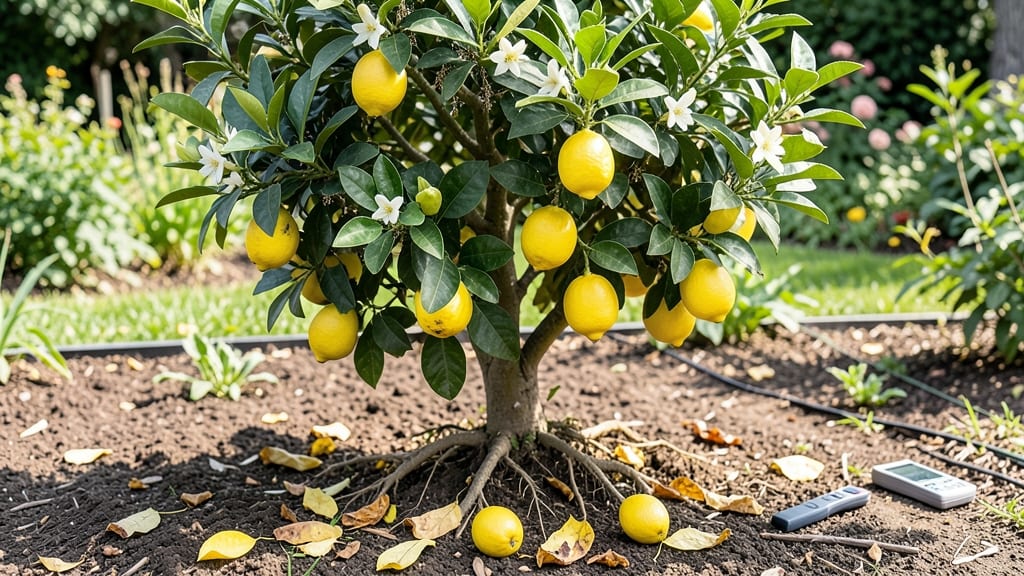
Your citrus tree’s sudden yellow leaves or sticky sap mean it’s fighting citrus tree issues—and they’re fixable. 🌿 I’ve nursed back trees with everything from aphid swarms to hidden root rot, and the key is catching the problem early before it spreads.
What starts as a small issue can turn into a full collapse if ignored, but with the right moves, you’ll see fresh green growth within weeks.
The first step is identifying the culprit: are the leaves puckered (citrus canker), curling (leaf miners), or dropping entirely (cold damage)? Each problem needs a different fix—like pruning out infected branches or adjusting watering to prevent rot.
I’ll walk you through the most common issues and the exact steps to stop them, using both organic and chemical solutions so you can pick what works for your garden.
By the end, you’ll have a citrus tree that’s not just surviving but thriving again—with fewer pests, stronger branches, and fruit that actually ripens. The best part? These fixes work for both dwarf varieties in pots and full-sized trees in the ground. Let’s get your tree back on track.
Fair warning: some fixes take patience (like waiting for new leaves after pruning), but the payoff is worth it. And if you’re dealing with a stubborn case, I’ll share the one trick that saved my neighbor’s 20-year-old lemon tree last winter. Ready to turn things around?
📚 In This Guide
- What you need
- Instructions
- Tips and common mistakes
- Wrapping up and next steps
What you need
- ● Pruning tools: Bypass pruners (sharp, clean, and sterilized)
- ● Loppers (for thicker branches, 16-20 inch cutting capacity)
- ● Pruning saw (for large branches, 7-10 inch blade)
- ● Safety gear: Gloves (thick, cut-resistant)
- ● Safety goggles
- ● Diagnostic tools: Magnifying glass (10x magnification for inspecting pests/diseases)
- ● pH testing kit (for soil analysis)
- ● Moisture meter (to check soil hydration)
- ● Treatment supplies: Fungicide (copper-based or systemic, follow label instructions)
- ● Insecticide (neem oil or horticultural oil, organic options preferred)
- ● Citrus-specific fertilizer (balanced NPK ratio, e.g., 6-6-6 or 8-3-9)
- ● Mulch (wood chips or straw, 2-3 inch layer)
- ● Sealant (pruning paint or wax, for large cuts)
- ● Tree ties or zip ties (for supporting weak branches)
- ● Spray bottle (for targeted pesticide application)
- ● Notebook and pen (to track progress and note observations)
- ● Extension pole (for high branches, 6-10 feet)
Step-by-step guide to diagnosing and revitalizing a struggling citrus tree
Here's how I diagnose and nurse citrus trees back to health—no guesswork, just science-backed fixes.
🌿 Step 1: Assess the Tree for Visual Symptoms
Start by examining the tree from top to bottom. Look for yellowing leaves (often a sign of nutrient deficiency), brown leaf edges (common with overwatering or salt buildup), or dropping fruit (a sign of stress or pest pressure). Check the bark for cracks or oozing sap—this could indicate fungal infection or scale insects.
Run your fingers along the branches. If you feel soft, mushy stems, root rot is likely the culprit. Healthy branches should be firm but flexible. Also, inspect the soil around the base—if it smells sour or looks waterlogged, drainage is your first problem to fix.
💧 Step 2: Check Watering and Drainage Patterns
Citrus trees hate soggy roots, so dig down 3-4 inches around the base to check soil moisture. If the soil feels damp or sticky, you're overwatering. Water only when the top 2 inches of soil are dry to the touch, and always use well-draining soil—amending with perlite or coarse sand helps if your native soil is clay-heavy.
I like to water deeply but infrequently—once a week in summer, every 2-3 weeks in winter—unless it's extremely hot or dry. If your tree sits in a pot, ensure it has drainage holes and never let it sit in standing water. Mulch around the base (but not touching the trunk) to retain moisture and regulate soil temperature.
☀️ Step 3: Evaluate Light and Temperature Conditions
Citrus trees need full sun (6-8 hours daily) to thrive. If your tree is indoors or in a shaded spot, move it to a south-facing window or outdoor location where it gets direct sunlight. Leggy growth or pale leaves mean it’s not getting enough light—no amount of fertilizer will fix that.
Temperature matters too. Most citrus varieties can’t handle below 20°F—if you're in a cold climate, protect the tree with burlap wraps or frost cloth during winter. If your tree is indoors, keep it near a sunny window but avoid drafts or sudden temperature swings, which stress the plant.
✂️ Step 4: Prune for Health and Airflow
Dead, diseased, or crossing branches should be pruned immediately to prevent further stress. Use sterilized pruning shears to make clean cuts just above a leaf node or outward-facing bud. Remove any suckers (shoots growing from the base or trunk) since they drain energy from the main tree.
Thin out dense foliage to improve airflow—citrus trees need good circulation to prevent fungal diseases like anthracnose. After pruning, apply a copper fungicide if you notice dark spots or powdery mildew on leaves. Avoid pruning in wet weather, as open wounds attract pests.
🌱 Step 5: Fertilize and Test Soil for Deficiencies
Citrus trees are heavy feeders, so use a balanced citrus fertilizer (6-6-6 or 8-3-9 ratio) every 4-6 weeks during growing season. If leaves are yellow between veins, that’s a classic sign of iron deficiency—switch to a chelated iron supplement for a few months. Over-fertilizing causes salt buildup, so always water thoroughly after feeding.
Take a soil test to check pH (ideal range is 6.0-7.0 for citrus). If the soil is too alkaline, amend with sulfur or peat moss to lower pH. Avoid fresh manure—it can burn roots. I also like to top-dress with compost in spring to improve soil structure naturally.
Tips & tricks for revitalizing citrus trees
When your citrus tree starts looking worse for wear, these practical tips will help you diagnose and fix problems before they become permanent. Trust me—catching issues early makes all the difference!
Visual Diagnosis: Don't just look at the leaves—check the bark too. If you see oozing sap or sticky residue on branches, that's a clear sign of scale insects. These pests create a protective shell and can weaken your tree over time. I learned this the hard way after my lemon tree's bark started peeling, and it turned out to be a scale infestation that had been there for months.
Watering Wisdom: The "top 2 inches dry" rule is your golden standard, but timing matters just as much. I've found that watering in the early morning gives the soil time to dry properly before evening humidity sets in. For container-grown citrus, I like to lift the pot after watering—if it's still heavy, you've overdone it. Aim for a pot that's only slightly heavier after watering than when dry.
Lighting Secrets: That 6-8 hours of sunlight requirement isn't just about quantity—it's about quality. South-facing windows are ideal, but if you're using grow lights, position them 6-12 inches above the tree and use full-spectrum bulbs. I noticed my indoor lime tree's leaves turning pale until I upgraded to LED grow lights—now it's thriving year-round. The difference in leaf color was dramatic within just two weeks.
Pruning Precision: When thinning dense foliage, aim to remove about 20-25% of the total growth to improve airflow. I always prune just after fruiting season when the tree has directed most of its energy into fruit production. Use your pruners to make cuts at a 45-degree angle just above an outward-facing bud. This creates a natural shield that protects the cut from moisture and pests.
Pro Tips for Citrus Tree Issues
- When your citrus tree starts looking worse for wear, these practical tips will help you diagnose and fix problems before they become permanent.
- Visual Diagnosis: Don't just look at the leaves—check the bark too.
- Watering Wisdom: The "top 2 inches dry" rule is your golden standard, but timing matters just as much.
Frequently asked questions
Got questions about your citrus tree’s health? You’re not alone—citrus trees are tough but need the right care to thrive. Here are answers to the most common concerns, from pests to pruning and everything in between.
Why are my citrus tree leaves yellowing?
Yellow leaves usually signal overwatering, nutrient deficiency (like iron or nitrogen), or root rot. Check soil moisture—citrus trees prefer well-draining soil. If roots smell foul or look mushy, repot with fresh, sandy soil. For nutrient issues, use a citrus-specific fertilizer every 2–3 months.
How do I get rid of aphids or spider mites on my citrus tree?
Start with a strong spray of water to dislodge pests, then apply neem oil or insecticidal soap (mix 1 tbsp per quart of water). Repeat every 5–7 days until pests vanish. For severe infestations, use horticultural oil. Pro tip: Introduce ladybugs—they’re natural aphid predators!
When is the best time to prune a citrus tree?
Prune in late winter or early spring (before new growth starts) to avoid stressing the tree. Avoid pruning during summer heat or winter frost. Focus on removing dead, diseased, or crossing branches. Use sterilized pruners to prevent spreading infections.
Can I save a citrus tree with brown, crispy leaves?
Brown, crispy leaves often mean underwatering, sunburn, or extreme heat stress. Move the tree to partial shade temporarily and water deeply (but not soggy). Trim damaged leaves to encourage new growth. If roots are dry, soak the soil gradually over 2–3 days. Recovery may take weeks!
What’s the difference between overwatering and underwatering citrus trees?
| Overwatering | Underwatering |
|---|---|
| Yellow, mushy leaves; root rot (smelly, black roots); fungal growth. | Dry, crispy leaves; wilting; soil pulls away from pot edges. |
| Solution: Let soil dry between waterings; improve drainage. | Solution: Water deeply until it drains from the bottom. |
Test your soil:
Stick your finger 2 inches deep—if it’s damp, wait to water. If dry, hydrate thoroughly!
Wrapping up and next steps
Revitalizing your citrus tree doesn’t have to be overwhelming—just observant, patient, and proactive! 🌱 From diagnosing pests to pruning with precision, these fixes can turn your struggling tree into a thriving fruit-bearing powerhouse.
Remember, small, consistent efforts often yield the biggest rewards, so don’t hesitate to roll up your sleeves and get hands-on.
Ready to take action? Start by inspecting your tree this weekend—check for signs of stress, pests, or nutrient deficiencies. Then, pick one or two fixes from this guide to tackle first. Your citrus tree (and future harvests) will thank you! 🍊✨