
Pruning
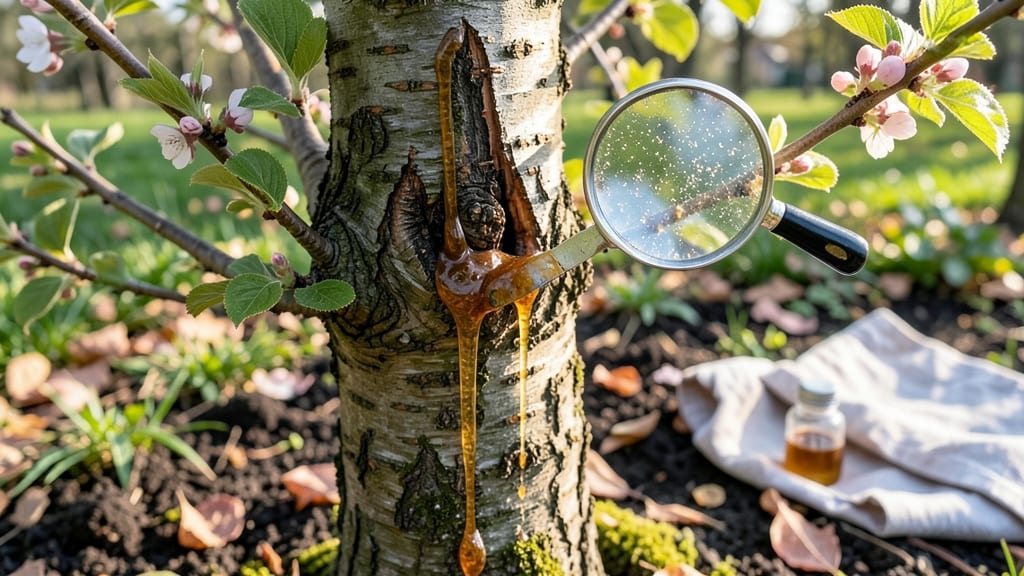
Your cherry tree’s sticky sap leaks aren’t just annoying—they’re a cry for help. 🌳 I’ve seen this turn into a full-blown health crisis when ignored, but the right fix can stop the drip and keep your tree thriving.
The problem usually starts with pruning cuts, pests like borers, or fungal infections hiding beneath the bark.
Most leaks happen because wounds aren’t sealed properly after pruning, or pests create entry points that ooze sap like an open wound. I’ve treated trees where the gooey mess attracted wasps and ants, turning a small issue into a full-blown infestation.
The good news? A few simple steps—like sealing cuts with pruning sealant or applying neem oil—can stop the flow fast.
By the time you finish, your tree will look healthy again, with no more sticky surprises on your patio furniture. The key is acting quickly before the leaks weaken the tree’s defenses. I’ll walk you through the exact steps, from identifying the cause to sealing wounds like a pro.
This works for sweet cherries, tart cherries, and even young saplings. Whether it’s a fresh pruning wound or an old pest problem, the same principles apply. Let’s get that tree back to its best—without the mess.
Root Causes Of Sap Bleeding
Understanding why your cherry tree is oozing sap is the first step to fixing it. Sap bleeding—often called gum bleeding—is usually a sign of stress or injury. Below, we break down the most common triggers, backed by science, so you can pinpoint the issue and act fast.
Cherry trees are sensitive to rapid temperature swings, especially in early spring. When warm days follow freezing nights, the tree’s vascular system (xylem and phloem) struggles to regulate water and nutrient flow.
- Why it happens: Cold weather slows sap movement, but sudden warmth forces the tree to "wake up" too fast.
This creates internal pressure, causing sap to leak from weak points like pruning cuts, cracks, or even healthy bark. - Science behind it: The xylem vessels (water conductors) expand unevenly, leading to hydraulic failure—think of it like a burst pipe.
Some varieties, like sweet cherries, are more prone to this due to thinner bark. - Actionable tip: If your tree is bleeding heavily after a freeze-thaw cycle, cover it with frost cloth during cold snaps to prevent stress.
Improper pruning or physical trauma (like hail, animal scratches, or lawnmower hits) can sever the cambium layer, the tree’s growth engine. When this happens, the tree seals the wound with gum-like sap (a mix of resins, sugars, and water) as a protective barrier.
- Why it happens: - Poor pruning cuts: If you cut too close to the trunk or leave jagged edges, the wound stays exposed longer, inviting pathogens and increasing sap loss. - Bark damage: Gnawing animals (like deer or rabbits) or tools can strip bark, disrupting the phloem (food transporter) and triggering sap leakage. - Science behind it: The tree’s defense mechanism kicks in, producing phenolic compounds (like tannins) to seal the wound.
But if the damage is severe, the tree may struggle to contain the flow. - Actionable tip: Always prune in late winter/early spring (when the tree is dormant) and use clean, sharp tools.
Seal large wounds with pruning sealant (like Tanglefoot Tree Wound Pruning Seal) if the cut is over ½ inch wide.
Pathogens like silver leaf fungus (Chondrostereum purpureum) or bacterial canker (Pseudomonas syringae) can infect cherry trees, causing gum pockets or oozing lesions. These infections weaken the tree’s vascular system, leading to sap leakage.
- Why it happens: - Wet conditions: Excess moisture (from rain or overwatering) creates the perfect environment for fungal spores to invade through wounds. - Stressed trees: Trees under drought, nutrient deficiency, or poor soil health are more susceptible to infections. - Science behind it: Pathogens clog xylem vessels with gelatinous masses (like bacterial ooze) or fungal hyphae, blocking water flow.
The tree responds by exuding sap to flush out invaders. - Actionable tip: If you see black, oozing streaks or fungal fruiting bodies (like mushrooms at the base), treat with copper fungicide (for bacterial issues) or horticultural oil (for fungal infections).
Remove and dispose of infected branches immediately.
Cherry trees need balanced nutrients (especially boron, calcium, and potassium) to maintain healthy cell walls and vascular function. A deficiency can lead to weak bark and sap bleeding, particularly in young or newly planted trees.
- Why it happens: - Boron deficiency: Critical for cell wall integrity, boron deficiency causes cracked bark and sap exudation.
Symptoms include dieback and blackened sap. - Compacted or alkaline soil: Poor drainage or high pH (above 7.0) locks out essential nutrients, stressing the tree. - Science behind it: Without enough boron, pectin (a structural component of plant cells) breaks down, leading to leaky cell walls.
The tree compensates by producing excess gum to "patch" the damage. - Actionable tip: Test your soil and amend with boron-rich fertilizers (like Solubor) or gypsum (to improve calcium availability). Mulch with compost to improve soil structure.
Insects like scale insects, aphids, or cherry bark tortrix moths pierce the bark to feed on sap. Their saliva contains toxins that further damage the phloem, causing the tree to leak sap as a defense.
- Why it happens: - Scale insects: These armored pests cluster on branches, sucking sap and injecting honeydew (a sticky byproduct that attracts mold). - Aphids: They cluster on new growth, weakening the tree and causing sap to weep from stressed areas. - Science behind it: The tree’s jasmonic acid response (a stress hormone) triggers gum production to "starve out" the pests.
However, heavy infestations can lead to dieback if left untreated. - Actionable tip: Blast pests off with water spray (for aphids) or apply neem oil or insecticidal soap. For scale, use a soft brush to scrape them off before treating with horticultural oil.
In rare cases, healthy cherry trees may leak sap during active growth periods (spring/summer) due to high transpiration rates. This is usually light and temporary, but heavy flows can indicate root pressure buildup.
- Why it happens: - Root activity: As roots absorb water faster than the tree can use it, pressure builds up in the xylem, forcing sap out through lenticels (pores in the bark). - Young trees: Saplings often "bleed" more because their vascular system isn’t fully developed. - Science behind it: This is a passive process, not a sign of distress.
However, if it’s excessive, it may signal overwatering or poor drainage. - Actionable tip: If the tree is otherwise healthy, monitor but don’t intervene. Improve drainage by amending soil with sand or installing a French drain if waterlogging is suspected.
Fixing Sap Leaks Naturally
Sap leaking from your cherry tree isn’t just messy—it can weaken the tree over time if left unchecked. The good news? Most causes have simple, effective fixes. Below, we’ve mapped the most common culprits to step-by-step solutions, plus prevention tips to keep your tree healthy and drip-free.
If your tree is leaking sap after pruning or damage, the wound is exposed to pests, disease, or excessive moisture loss. Here’s how to stop the flow and promote healing:
🔧 Step 1: Clean the Wound
- Use sterilized pruning shears or a sharp knife to trim away any ragged edges.
- Remove all loose bark or damaged tissue to prevent rot.
🛡️ Step 2: Apply a Wound Sealant
- Pruning sealant (like Tanglefoot Tree Wound Pruning Sealant) creates a protective barrier.
- For larger wounds, use beeswax or tree wound paste (mix beeswax with turpentine for a natural option).
- Avoid paint or caulk—these trap moisture and encourage decay.
🌱 Step 3: Monitor for Signs of Stress
- If sap continues to leak heavily (more than a few drops a day), the tree may be under severe stress.
- Water deeply but avoid overwatering, which can worsen the issue.
- 💡 Pro Tip: If the wound is deep (over ½ inch), consult an arborist—some damage requires professional care.
Sap leaks often signal pests like aphids, scale insects, or borers feeding on the tree. These bugs weaken the tree, causing it to "bleed" sap as a defense mechanism.
🐜 Step 1: Identify the Pest
- Aphids/scale: Look for sticky residue (honeydew) on leaves or branches.
- Borers: Check for sawdust-like frass or exit holes in the bark.
- Spider mites: Tiny webs or yellowing leaves may indicate their presence.
💦 Step 2: Apply Targeted Treatments
| Pest | Solution |
|---|---|
| Aphids/Scale | Spray with neem oil or insecticidal soap (apply in early morning). |
| Borers | Use systemic insecticide (like imidacloprid) or beneficial nematodes. |
| Spider Mites | Blast off mites with water spray, then treat with horticultural oil. |
🌿 Step 3: Encourage Natural Predators
- Ladybugs, lacewings, and parasitic wasps eat aphids and mites.
- Plant companion flowers (like marigolds or dill) near the tree to attract them.
⚠️ Prevention Tip:
- Inspect trees regularly, especially in spring when pests are most active.
- Remove fallen leaves/debris—pests hide in them over winter.
Extreme heat, drought, or sudden temperature swings can cause sap to leak as the tree struggles to regulate moisture.
💧 Step 1: Deep Watering
- Water slowly and deeply (1–2 inches per week) to reach the roots.
- Mulch around the base (2–4 inches of organic mulch) to retain moisture.
☀️ Step 2: Provide Shade Relief
- If your tree is in a hot, sunny spot, consider partial shade cloth during peak summer.
- Avoid pruning in extreme heat—wait for cooler days.
🌱 Step 3: Fertilize Smartly
- Over-fertilizing stresses trees. Use a balanced, slow-release fertilizer (10-10-10) in early spring.
- 💡 Pro Tip: A soil test ensures you’re not overdoing it—too much nitrogen can worsen sap leaks.
If the sap is thick, dark, or oozing from cracks, a fungal or bacterial infection (like silver leaf disease or bacterial canker) may be to blame.
🧴 Step 1: Clean the Affected Area
- Scrape off infected bark with a sterilized knife.
- Dispose of debris far from the tree to prevent spread.
💊 Step 2: Apply Fungicide/Bactericide
- Use copper-based fungicide (for bacterial issues) or neem oil (for fungal).
- Reapply every 2–4 weeks until the tree recovers.
🚫 Step 3: Isolate the Tree
- Remove fallen leaves and sterilize tools after use.
- Avoid pruning—wait until the tree is fully treated.
✨ Prevention Tip:
- Prune in dry weather to reduce infection risk.
- Space trees properly (15–20 feet apart) for airflow.
Once you’ve stopped the leak, prevent future issues with these habits:
- Prune in late winter/early spring (avoid summer pruning).
- Check for pests twice a year (spring and fall).
- Avoid physical damage (like lawnmower hits or leaning ladders).
- 🎯 Pro Tip: Thin out dense branches to improve airflow—this reduces stress and pest attraction.
By addressing the root cause (literally!) and following these steps, your cherry tree should stop leaking sap and thrive. Act quickly for minor issues, but don’t hesitate to call an arborist if the problem persists—some damage requires professional care. 🌿💚
Frequently asked questions
Why does my cherry tree leak sap after pruning?
When you prune, you cut into the tree's protective layers, exposing the cambium and vascular system. The tree immediately produces sticky sap (a mix of resins and sugars) to seal the wound and prevent infection. If the cut was too close to the trunk or jagged, the sap flow will be heavier. Always use clean, sharp tools and make cuts at a 45-degree angle just outside the branch collar. For wounds over ½ inch wide, apply pruning sealant to help contain the leak.
Is sap leaking harmful to my cherry tree?
Minor sap leaks are usually harmless—they're the tree's natural defense mechanism. However, heavy or persistent leaks can weaken the tree by losing nutrients and water. Watch for other signs like yellowing leaves, dieback, or fungal growth at the wound site. These indicate a deeper issue (like infection or pest damage) that needs immediate attention. If the sap is dark, thick, or accompanied by foul odors, your tree may be under serious stress.
How can I tell if pests are causing sap leaks?
Look for these telltale signs: sticky honeydew on leaves (aphids/scale), tiny holes in the bark (borers), or tiny webs (spider mites). Sap leaks from pests often appear as small droplets along branches rather than large oozing wounds. Check the undersides of leaves and branch crevices where pests hide. If you find them, treat with neem oil or insecticidal soap—both are effective and tree-safe.
Can I use regular paint or caulk to stop sap leaks?
Never use paint, caulk, or duct tape on tree wounds—they trap moisture and create the perfect environment for rot and fungal infections. These products block oxygen and prevent the tree's natural healing process. Instead, use a specialized tree wound sealant (like Tanglefoot Tree Wound Pruning Seal) or make your own with beeswax mixed with turpentine. The sealant should be breathable while still containing the sap flow.
Will sap leaks affect my cherry tree's fruit production?
If the leaks are minor and the tree remains otherwise healthy, fruit production should continue normally. However, severe or persistent leaks (especially from infections or pests) can stress the tree enough to reduce flowering or fruit set. The tree prioritizes healing wounds over fruit production during stress periods. To protect your harvest, address the root cause quickly and maintain proper tree care—watering, mulching, and seasonal pruning—to keep the tree's energy focused on fruit development.