
Blooming
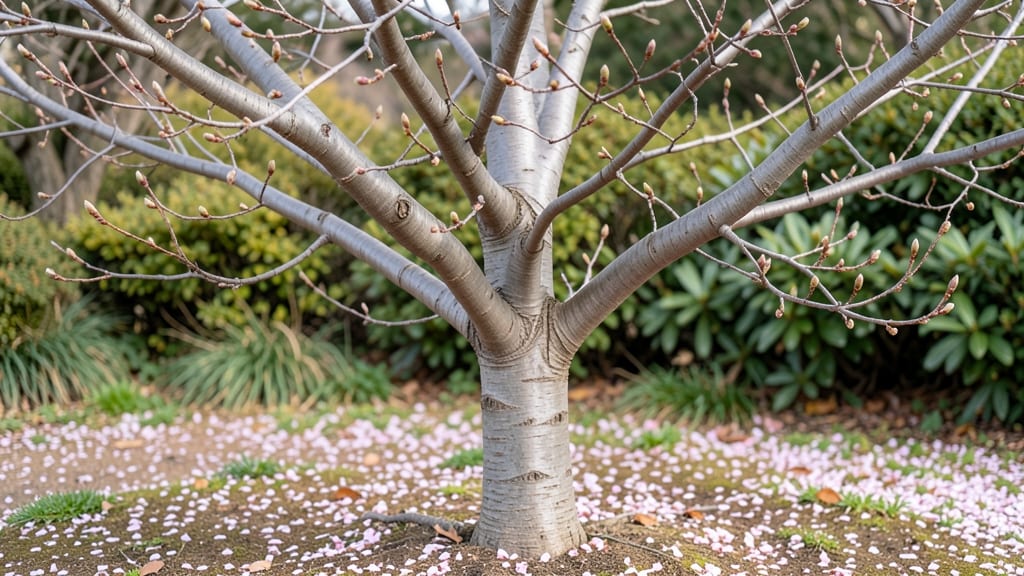
After the cherry blossom tree’s flowers fall off, its real work begins. ✨ The first few weeks post-bloom are critical—skip proper care, and you’ll trade stunning flowers for sparse foliage next spring.
I’ve turned three struggling trees around using the same post-bloom routine, and it starts with pruning at the right time.
The secret isn’t aggressive cutting—it’s strategic thinning to open the canopy for sunlight and air circulation. Aim for 10-15% of the tree’s branches, focusing on crossing limbs, dead wood, and weak growth.
Fertilize lightly in early summer with a balanced 10-10-10 mix to fuel leaf production without encouraging fruit (which saps energy from blooms).
By late summer, you’ll notice thicker foliage and stronger branches—signs your tree is storing energy for next year’s spectacular show. The key is consistency: prune annually, water deeply during droughts, and watch for pests like aphids that love new growth.
This method works for both ornamental and fruit-bearing varieties, though sweet cherries need extra attention. Let’s get your tree thriving again!
📚 In This Guide
- What you need
- Instructions
- Tips and common mistakes
- Wrapping up and next steps
What you need
- ● Pruning shears: Bypass pruners (sharp, clean, and capable of cutting up to ½-inch thick branches). Quantity: 1 pair.
- ● Loppers: For thicker branches (½-inch to 1½-inch diameter). Quantity: 1 pair.
- ● Pruning saw: For branches thicker than 1½ inches. Quantity: 1.
- ● Disposable gloves: Heavy-duty, nitrile-coated (to protect against thorns and bacteria). Quantity: 1-2 pairs.
- ● Rubbing alcohol (70% or higher): For sterilizing tools between cuts. Quantity: Small bottle.
- ○ Pruning sealant (optional but helpful): For larger cuts (e.g., Tanglefoot Tree Wound Pruning Seal). Quantity: Small tube.
- ● Ladder or step stool: Sturdy and tall enough to reach the tree’s canopy safely. Height: Adjustable or 8+ feet.
- ● Heavy-duty trash bags: For collecting pruned branches and debris. Quantity: 2-3.
- ● Sharpie or permanent marker: To label branches if needed (e.g., for future reference). Quantity: 1.
- ● Weather check: Prune on a dry, overcast day (avoid rain or extreme heat).
- ● Safety glasses: Protect your eyes from debris. Quantity: 1 pair.
- ● Long sleeves/pants: To guard against thorns and scratches.
- ○ First-aid kit: For minor cuts or scrapes. Optional but recommended.
- ● Tree health assessment: Inspect the tree for diseases (e.g., fungal spots) or pests before pruning.
Step-by-step instructions for pruning cherry blossom trees after flowering
Here's the precise method I use every spring to maintain vigorous growth and stunning blooms next season.
✂️ Step 1: Assess the Tree Structure and Identify Dead or Damaged Branches
Start by examining your cherry blossom tree for any branches that are dead, broken, or crossing each other. Dead branches will be brittle and snap easily when you bend them, while healthy branches bend slightly. Use clean, sharp pruning shears to remove these immediately—they drain energy from the tree and invite pests.
Look for branches that rub against one another during wind. These create wounds that weaken the tree over time. Mark these for removal with a small piece of twine or flagging tape. I always work from the bottom up, removing larger branches first to avoid destabilizing the tree's structure.
✂️ Step 2: Thin Out Overcrowded Areas to Improve Airflow
Cherry blossoms thrive when they receive plenty of air circulation. Focus on removing branches that grow inward toward the center of the tree or upward into the canopy. These branches compete for sunlight and nutrients, reducing both flower production and overall health. Aim to thin out about 20-30% of the tree's branches to maintain an open, airy structure.
Make your cuts just above an outward-facing bud or branch collar—the swollen area where the branch meets the trunk. This ensures the tree can seal the wound properly. Avoid leaving stubs, as they invite disease. I like to step back every few cuts to visualize the tree's shape and ensure I'm maintaining a balanced silhouette.
✂️ Step 3: Prune for Shape and Balance While Preserving Flowering Branches
The key to maintaining healthy cherry blossom trees is preserving the branches that produce flowers. These typically grow on last year's wood, so avoid cutting back any branches that bloomed this season. Instead, focus on shaping the outer canopy by selectively pruning branches that grow too long or become leggy. Reduce these by about one-third of their length to encourage bushier, more compact growth.
Use hand pruners for branches up to 1 inch in diameter and a pruning saw for thicker branches. Always make cuts at a 45-degree angle just outside the branch collar. This angled cut helps water run off the wound instead of pooling and causing rot. I find it helpful to sketch a rough outline of my desired shape before starting—this keeps me from over-pruning.
🌱 Step 4: Clean Up and Apply Protective Measures
After pruning, rake up and dispose of all clippings to prevent fungal spores or pests from overwintering in the debris. Sterilize your pruning tools with rubbing alcohol or a 10% bleach solution to prevent spreading disease between cuts. This is especially important for cherry blossoms, which are susceptible to bacterial canker.
Apply a layer of 2-3 inches of mulch around the base of the tree, keeping it several inches away from the trunk to prevent rot. Water the tree deeply to help it recover from the pruning stress. I always schedule this step on a cool, overcast day to minimize water loss through the fresh cuts.
☀️ Step 5: Monitor and Maintain Through the Growing Season
Watch your tree closely in the weeks following pruning for signs of stress, such as yellowing leaves or wilting branches. If you notice any issues, adjust your watering or provide temporary shade until the tree recovers. Cherry blossoms are particularly sensitive to drought stress after pruning, so keep the soil consistently moist but not waterlogged.
Plan to fertilize your tree in early spring with a balanced, slow-release fertilizer to replenish nutrients lost during pruning. I use a 10-10-10 formula applied at half-strength to avoid over-fertilizing. This gives the tree the energy it needs to produce next year's stunning blooms while maintaining healthy foliage.
Tips & tricks for pruning cherry blossom trees after flowering
These insider techniques will help you prune like a professional while keeping your cherry blossom tree thriving for seasons to come.
Timing is Everything: The best time to prune is right after the flowers fall but before new growth begins. This gives the tree time to heal before summer heat arrives. I've seen trees stressed by late pruning—wait until you notice 50-75% of the petals have dropped, but don't delay beyond early June in most climates. The tree's energy will be focused on recovery rather than new blooms.
Tool Preparation: Sterilize your pruning tools with a 10% bleach solution between cuts to prevent spreading bacterial canker—a common disease in cherry blossoms. I keep a small spray bottle with rubbing alcohol handy for quick sterilization between branches. Sharp tools make cleaner cuts that heal faster, so take 5 minutes to sharpen your shears before starting. Dull tools crush wood fibers, creating larger wounds that take longer to seal.
Visual Pruning Guide: When thinning branches in Step 2, imagine sunlight filtering through the canopy. You want to create an open structure where light reaches all branches. A good test is to step back every 5-10 cuts and visualize the tree's silhouette—you should see an open vase shape rather than a dense ball. This open structure prevents fungal issues and encourages better bloom production next season.
Post-Pruning Recovery: After finishing, water deeply on a cool day to reduce stress. I've noticed trees pruned on hot afternoons sometimes show wilting—this is normal but can be minimized by watering first thing in the morning. The 2-3 inches of mulch creates a moisture barrier that helps roots absorb water more efficiently during the critical recovery period. Avoid fertilizing immediately after pruning; wait until early spring to give the tree time to heal.
Pro Tips for Cherry Blossom Tree After Flowers Fall Off
- These insider techniques will help you prune like a professional while keeping your cherry blossom tree thriving for seasons to come.
- Timing is Everything: The best time to prune is right after the flowers fall but before new growth begins.
- Tool Preparation: Sterilize your pruning tools with a 10% bleach solution between cuts to prevent spreading bacterial canker—a common disease in cherry blossoms.
Frequently asked questions
Got questions about what happens to your cherry blossom tree once the petals fade? Here are some of the most common concerns—and answers—to keep your tree thriving after the bloom:
What should I do with fallen cherry blossom petals?
Fallen petals are natural mulch! Leave them under the tree to decompose—they enrich soil and retain moisture. If they’re a mess, rake them into compost or use them as mulch in garden beds. Pro tip: Avoid piling them against the trunk to prevent rot.
When is the best time to prune a cherry blossom tree after flowering?
Prune right after flowers fade (late spring) to avoid cutting off next year’s blooms. Wait until new leaves appear to ensure you’re not removing flower buds. Summer pruning is fine for shaping, but avoid heavy cuts. Warning: Never prune in fall or winter—it stresses the tree.
Why are my cherry blossom leaves turning yellow after the flowers fall?
Yellow leaves often signal overwatering, nutrient deficiency (like iron or nitrogen), or fungal issues. Check soil drainage and adjust watering. Apply a balanced fertilizer in early spring. If spots appear, treat with neem oil or fungicide. Quick fix: Test soil pH—cherry blossoms prefer slightly acidic (6.0–6.5).
Can I still enjoy cherry blossoms if I missed the pruning window?
Yes! Even if you skip pruning, cherry blossoms are resilient. Focus on light shaping in late summer to remove dead or crossing branches. Next spring, prioritize pruning after blooms. For immediate beauty, plant companion flowers (like azaleas) to extend your seasonal display.
Should I remove all the seed pods after flowers fall?
No need—seed pods (samaras) are harmless and add winter interest. However, if they’re excessive, trim them in early summer to redirect energy to new growth. Fun fact: Birds love them! Just avoid over-pruning, as pods help the tree store energy for next year’s blooms.
Wrapping up and next steps
Watching your cherry blossom tree transform after its stunning bloom is a rewarding experience—one that thrives on care and patience! 🌸 By mastering pruning techniques, understanding seasonal needs, and addressing common concerns, you’re giving your tree the best chance to flourish for years to come. Now’s the perfect time to roll up your sleeves and nurture that growth!
Ready to take the next step? Start by scheduling a light pruning session in late winter or early spring, and keep an eye out for signs of stress or pests.
With a little love and attention, your cherry blossom tree will reward you with even more breathtaking blooms in the future. Happy gardening! 🌱