
Pruning
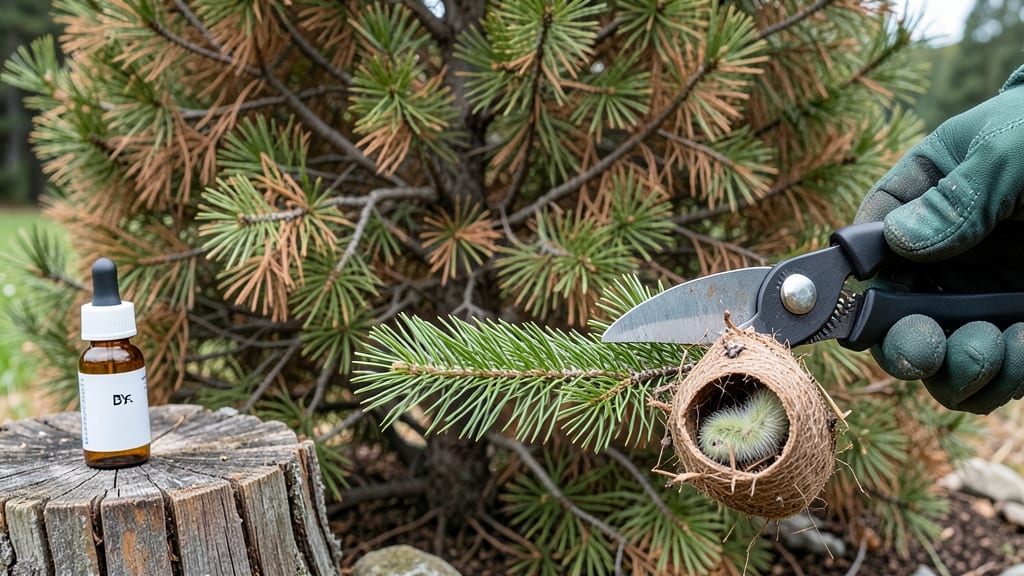
Those weird, brown cones covering your cedar tree bagworms? They’ll strip your tree bare if you don’t act fast. 🌲 I’ve seen healthy cedars turn into skeletal shadows in just one season—until I learned this organic spray barrier that stops them dead in their tracks.
The key is timing: spray when caterpillars are small (late May to early June) with neem oil or horticultural oil, which smothers them before they grow. A single treatment can save your tree for years—no more frantic scraping or messy chemical sprays.
Just mix, spray, and watch the infestation vanish. By late summer, your cedar will look lush and green again, with no signs of those pesky cones. The barrier works because it disrupts their life cycle early, and the best part?
It’s safe for pets and kids once dry. Works for arborvitae, junipers, and other evergreens too. Here’s the exact formula and schedule to keep your trees healthy all season.
Bagworms Strike: The Hidden Triggers
Bagworms may seem like a mysterious plague, but their infestations are driven by a mix of environmental, biological, and human factors. Understanding these triggers helps you protect your cedar trees before the problem spirals out of control. Here’s why these pests target your trees—and how to recognize the warning signs.
Bagworms thrive when cedar trees are weakened, making them an easy meal. Stress in trees often stems from: - Poor soil conditions – Compacted, nutrient-deficient, or overly wet/dry soil limits a tree’s ability to fight pests. - Drought or waterlogging – Both extremes stress trees, reducing their resilience.
Bagworms detect this vulnerability through chemical signals in the foliage. - Competition for sunlight – Trees shaded by overgrowth or nearby structures produce weaker branches, which bagworms prefer for egg-laying.
Actionable insight: 💡 Regularly check soil moisture and mulch properly to keep cedars healthy. Prune overhanging branches to improve airflow and sunlight exposure.
Bagworms reproduce exponentially—a single female can lay 400–600 eggs in a protective silk bag.
Here’s how outbreaks escalate: - No natural predators – Young bagworms are eaten by birds, wasps, and parasitic flies, but over-spraying pesticides can disrupt these ecosystems. - Warm winters – Milder climates allow more bagworms to survive the winter, leading to larger spring hatches. - Lack of disturbance – Undisturbed trees (like those in untended landscapes) become breeding grounds as egg sacs accumulate year after year.
Actionable insight: ✨ Encourage wildlife by avoiding broad-spectrum pesticides and installing birdhouses near infested areas.
Bagworms don’t just appear—they hitchhike into your yard through:
- Infested nursery stock – Buying bagworm-contaminated cedar trees or mulch spreads the problem.
- Windborne egg sacs – Tiny bags can travel miles, landing on healthy trees and hatching when conditions are right.
- Debris buildup – Leaving fallen leaves, branches, or old bags (even after treatment) gives larvae a head start in spring.
Actionable insight: 🔥 Inspect new plants thoroughly and clear yard debris annually to break the cycle.
Bagworms are sensitive to temperature and humidity:
- Spring warmth triggers hatching – Eggs emerge when soil temps hit 55–60°F, so early spring is critical for intervention.
- High humidity extends feeding – Damp conditions let larvae grow faster, leading to larger infestations by summer.
- Drought-stressed trees attract more larvae – Water scarcity weakens defenses, making trees more appealing.
Actionable insight: 🎯 Monitor local weather forecasts and treat before hatching peaks (usually April–May in most regions).
Sometimes, infestations start with well-meaning but misguided actions:
- Delaying treatment – Waiting until you see visible damage means the larvae are already mature and harder to kill.
- Using the wrong pesticides – Chemical sprays that don’t penetrate silk bags fail to reach eggs or young larvae.
- Ignoring early signs – Tiny white bags in spring are often dismissed as "tree fluff"—by the time they’re golf-ball-sized, control is tougher.
Actionable insight: 🔍 Scan trees in late winter for egg sacs (they look like tiny twigs) and act fast with targeted organic sprays.
Key takeaway: Bagworm infestations are rarely random—they’re the result of stressed trees, ideal conditions, and missed opportunities for early control. By addressing these root causes, you can starve the problem before it starts.
Quick Fixes for Tree Pests
When bagworms strike your cedar trees, acting fast is key to preventing long-term damage. Below are practical, step-by-step solutions tailored to the root causes—from early detection to organic treatments and long-term prevention. No harsh chemicals required!
Cause: Small infestations caught early (before pupation). Fix:
- 🔍 Inspect your trees in late summer or early fall when bagworms are most visible. Look for small, brownish "sacs" hanging from branches.
- 🧤 Wear gloves and carefully remove bags by hand. Drop them into a bucket of soapy water to kill the larvae inside.
- 🌳 Focus on young trees or heavily infested branches first—they’re easier to treat manually.
Pro Tip: 💡 If bags are larger than a quarter, they may already be pupating. Manual removal becomes less effective, so combine this with other methods.
Cause: Moderate to heavy infestations where manual removal isn’t enough. Fix: Use a homemade organic spray as a protective barrier to suffocate and deter bagworms. Here’s how:
🍳 DIY Spray Recipe (Safe & Effective)
| Ingredient | Amount | Purpose |
|---|---|---|
| Neem oil | 1 tbsp | Disrupts feeding and growth |
| Dish soap | ½ tsp (Dawn or similar) | Breaks down the waxy bag coating |
| Water | 1 quart (32 oz) | Carrier for ingredients |
| Optional: | ||
| Horticultural oil | 1 tbsp | Extra suffocation effect |
👨🍳 Step-by-Step Application:
- Mix ingredients in a spray bottle or pump sprayer. Shake well before use.
- 🌧️ Apply in the evening (to avoid harming beneficial insects like bees).
- 🎯 Spray thoroughly on both sides of cedar needles and the undersides of branches where bags hide.
- Reapply every 7–10 days until new bags stop appearing (usually 4–6 weeks).
⏰ Best Time to Spray: Late summer to early fall, when larvae are most active but before they pupate.
Cause: Infestations spreading to other trees or returning yearly. Fix:
- 🌳 Prune infested branches 6–12 inches below the last visible bag. Bagworms rarely move far from their host, so removing heavily damaged branches reduces their numbers.
- 🗑️ Bag and dispose of pruned branches in sealed trash bags (not compost). Do not burn them—bagworms can survive in ashes.
- 🧹 Clean up fallen bags from the ground or mulch. Crush them with a shovel or drop them in soapy water.
Pro Tip: ✨ Prune in dry weather to avoid spreading spores or attracting pests to fresh cuts.
Cause: Recurring infestations or preference for non-toxic solutions. Fix: Introduce natural predators to your cedar trees:
- 🐞 Parasitic wasps (e.g., Goniozus legneri): These tiny wasps lay eggs inside bagworm larvae, killing them from within. Order them online or through garden centers.
- 🦋 Birds: Install a birdhouse or feeder near your trees to attract birds like chickadees and nuthatches, which eat bagworm eggs and larvae.
- 🐛 Beneficial nematodes: Soil-dwelling microbes that target bagworm pupae in the ground. Apply in early spring or fall as a preventive measure.
⚠️ Caution: Avoid using chemical pesticides if you’re relying on biological controls—they’ll kill the good guys too!
Stop bagworms before they start with these low-effort strategies:
- 🌱 Healthy Tree Care:
- 💧 Water deeply but infrequently to encourage strong root growth (cedars hate soggy roots but need consistent moisture).
- 🍃 Fertilize in early spring with a slow-release, organic fertilizer to boost tree resilience.
- 🕵️♂️ Monitor Year-Round:
- 📅 Check trees in late winter for egg masses (small, white clusters on branches). Scrape them off and dispose of them.
- 🔍 Use a flashlight at dusk to spot early-stage bags (they’re easier to remove then).
- 🌿 Create Barriers:
- 🧶 Wrap young cedars in floating row covers (lightweight fabric) in early spring to block adult moths from laying eggs.
- 🍃 Mulch around the base with wood chips to deter egg-laying moths (they prefer clean, bare soil).
- 🌍 Encourage Biodiversity:
- Plant native flowering shrubs near your cedars to attract predatory insects and birds.
- Avoid overusing broad-spectrum pesticides, which can disrupt the ecosystem.
Final Reminder: 🌟 The key to beating bagworms is consistency. Combine manual removal for small infestations, organic sprays for active outbreaks, and preventive care to keep your cedars thriving year after year!
Frequently asked questions
How do I tell if my cedar tree has bagworms vs. just dry needles?
Bagworms create distinctive brown, cone-shaped bags (about the size of a pencil) hanging from branches. Unlike dry needles, these bags move slightly in the wind and contain a caterpillar inside. Look for bare patches where the caterpillars have eaten the foliage—this happens even when bags are small.
Can I use regular dish soap to kill bagworms without other ingredients?
Yes, but it’s less effective alone. A 1% solution of dish soap (1 tsp per quart of water) can suffocate larvae when sprayed directly on bags, but it won’t penetrate the silk coating as well as neem oil or horticultural oil. For best results, combine it with neem oil (1 tbsp per quart) and reapply every 7–10 days.
Will bagworms kill my cedar tree if I don’t treat them?
Severe infestations can defoliate your cedar completely, weakening it enough to die over time—especially if the tree is already stressed. While cedars are tough, heavy feeding for 2+ years can lead to branch dieback or even tree death. Act fast if you see more than 10% of branches covered in bags.
How do I know when to stop spraying for bagworms?
Stop spraying when you no longer see new bags appearing after 4–6 weeks of treatment. Check trees weekly in late summer/fall—if bags are only old, empty shells (no movement inside), the larvae are gone. Reapply preventive sprays in early spring if you had a bad infestation the prior year.
Are bagworms harmful to humans or pets?
No, bagworms are not dangerous to humans or pets. The caterpillars can’t bite or sting, and their silk bags won’t irritate skin. However, avoid burning infested branches—smoke from burning bags can irritate lungs. Always wear gloves when handling bags to avoid skin contact with their fine hairs.