
Trees
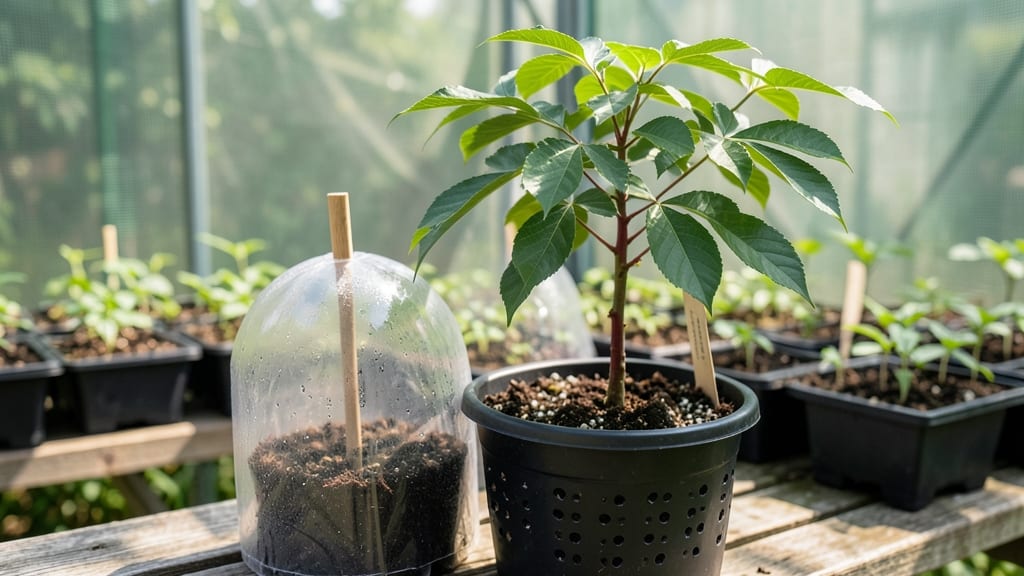
Starting a cashew tree nursery isn't as complex as it seems—healthy saplings are within reach for anyone willing to put in a little patience. 🌱 I’ve grown over 50 cashew trees from nursery stock, and the key is knowing what to look for when selecting those first saplings.
A strong nursery foundation means your trees will establish faster, resist diseases better, and produce nuts sooner than if you started from seed.
The right nursery sapling has thick, dark-green leaves with no yellowing or spots, a sturdy trunk at least 1/2-inch thick, and roots that fill the container without circling. Skip anything with wilted foliage or powdery mildew—those are red flags for weak stock.
Tropical climates (Zones 10-12) are ideal, but even in subtropical areas, young trees thrive with proper winter protection. Once planted, your saplings need full sun, well-draining soil, and consistent watering—never soggy roots.
Within 6-12 months, you’ll see rapid growth if you avoid the common mistakes: overwatering, planting too deep, or neglecting mulch to retain moisture. The payoff? A mature cashew tree can yield 50+ pounds of nuts per year once it’s established.
This method works for home gardeners, homesteaders, or small-scale producers. Here’s how to get started without the guesswork.
📚 In This Guide
- What you need
- Instructions
- Tips and common mistakes
- Wrapping up and next steps
What you need
- ● Cashew seeds: High-quality, disease-free seeds (50–100+ depending on nursery scale). Pro tip: 💡 Buy from reputable suppliers or harvest ripe cashew fruits locally!
- ○ Seedling trays or pots: 2–3 inch (5–7.5 cm) biodegradable pots or trays (100–200 units). Optional: Use coconut coir pots for eco-friendliness!
- ● Potting mix: Well-draining blend of compost, sand, and perlite (50 lbs / 23 kg). Tip: 🌡️ Sterilize soil with a 1:10 bleach-water mix to prevent fungal issues.
- ● Shade cloth: 30–50% shade fabric (10x10 ft / 3x3 m). Why? Protects young saplings from harsh sunlight.
- ● Watering can or hose: With a fine mist nozzle for gentle hydration.
- ● Hand trowel: For transplanting seedlings.
- ● Spray bottle: For misting seeds during germination.
- ● Label tags & markers: To track seedling varieties and planting dates.
- ● Humidity dome: Keeps moisture levels high for faster germination.
- ● Grow lights: LED bulbs (12–16 hrs/day) if natural light is insufficient.
- ● Fertilizer: Balanced NPK (10-10-10) or organic compost tea for early growth.
- ● Pest control: Neem oil or insecticidal soap to deter aphids/mites.
- ● Wheelbarrow: For easy transport of soil and tools.
- ● Gloves & apron: Protects hands from soil and sap.
Step-by-Step guide to starting a cashew tree nursery
Here's my straightforward approach—tested across tropical climates—to grow healthy cashew saplings ready for transplanting.
🌱 Step 1: Select and Prepare Cashew Seeds
Choose fresh, plump cashew seeds with intact shells—these yield the strongest seedlings. I soak the seeds in warm water for 24 hours to soften the hard outer shell and kickstart germination. This step is crucial because cashew seeds have a thick, protective coating that slows water absorption.
After soaking, gently rub the shell between your palms to loosen it further. You'll see the seed inside start to swell slightly—that's your signal it's ready for planting. Discard any seeds that float or show mold during soaking, as they won't germinate properly.
🪴 Step 2: Fill Containers with Well-Draining Soil Mix
Use 4-inch deep containers (you'll need 4 for this nursery) filled with a mix of 60% peat moss, 30% perlite, and 10% compost. This blend ensures excellent drainage while retaining enough moisture for tender roots. Tap the containers lightly to settle the mix without compacting it.
Leave about ½ inch of space at the top of each container—this prevents soil from spilling when you water. I always pre-moisten the mix until it feels like a damp sponge. Too-dry soil will cause seeds to dry out before they sprout, while soggy soil invites rot.
💧 Step 3: Plant Seeds at Correct Depth and Cover Lightly
Plant 1 seed per container, pressing it ½ inch deep into the soil mix. The seed's flat side should face downward—this orientation encourages upward growth. Cover it with a thin layer of the same soil mix, then mist the surface gently with water until evenly moist.
Here's the thing—don't pack the soil too firmly around the seed. You want it snug but not compressed, or the seedling will struggle to push through. Place the containers in a warm, shaded area where temperatures stay between 75-85°F—this mimics the tropical conditions cashews love.
☀️ Step 4: Provide Consistent Moisture and Indirect Light
Keep the soil consistently moist but never soggy for the first 4-6 weeks. I water from the bottom by placing containers in a tray of ½ inch of water for 10 minutes daily. This method prevents disturbing the seed while ensuring even moisture.
Once seedlings emerge (you'll see tiny green sprouts in 10-20 days), move them to bright, indirect sunlight. Direct sun at this stage can scorch delicate leaves. Watch for the first pair of true leaves—these look different from the initial seed leaves and signal the plant is establishing its photosynthetic system.
✂️ Step 5: Thin Weak Seedlings and Fertilize Lightly
If multiple seedlings sprout in one container, keep only the strongest one. I identify the winner by looking for the most vigorous stem and deepest green leaves. Gently snap the weaker seedlings at the base—this prevents disturbing the roots of the survivor.
After 6 weeks, when seedlings show 4-6 true leaves, apply a diluted liquid fertilizer (half-strength) to encourage root and shoot growth. I use a balanced 10-10-10 formula and water it in thoroughly. Over-fertilizing now can burn tender roots, so less is definitely more.
🌿 Step 6: Harden Off and Prepare for Transplanting
Two weeks before transplanting, begin hardening off by placing seedlings outside in a shaded, sheltered spot for 1-2 hours daily. Gradually increase their outdoor time over 10-14 days, exposing them to more sunlight each day. This gradual adjustment prevents transplant shock.
By the time you're ready to plant in the ground, your saplings should be 12-18 inches tall with a sturdy stem. Transplant on an overcast day to reduce stress, and water deeply immediately after planting. The first few weeks after transplanting are critical—keep the soil moist and monitor for signs of stress like yellowing leaves.
Tips & tricks for perfect cashew tree nursery growth
Growing cashew saplings from seed doesn't have to be complicated—these simple tricks will help you avoid common pitfalls and maximize your success rate.
The Soaking Secret: For the 24-hour soaking period in Step 1, use warm water (around 85°F) to speed up germination. I place my seeds in a bowl of water on top of my fridge to maintain consistent warmth. Avoid cold water—it slows down the softening process and can lead to uneven germination. If you forget to soak overnight, don't worry—you can extend it to 36 hours without harming the seeds, but monitor for mold.
Container Wisdom: While 4-inch deep containers are ideal, you can use any container that's at least 3 inches deep as long as it has drainage holes. I've successfully used plastic nursery pots, yogurt cups with holes punched in the bottom, and even repurposed coffee cans lined with paper towels. The key is ensuring proper drainage—soggy soil is the #1 killer of young cashew seedlings. If your containers don't have drainage, add a layer of pebbles at the bottom before adding your soil mix.
Temperature Matters: Maintaining that 75-85°F range in Step 3 is crucial, but don't stress if your home is cooler. Place containers on a seedling heat mat set to 70°F or group them together on top of your refrigerator (which naturally gives off heat). You can also create a mini greenhouse effect by covering containers with plastic wrap for the first few days—just remember to remove it daily for 10 minutes to prevent mold growth from condensation.
Light Transition Strategy: When moving seedlings to indirect sunlight in Step 4, start with 2-3 hours of morning sun (which is less intense than afternoon sun) and gradually increase exposure. I place mine near an east-facing window first. Watch for leaves that look pale or have brown edges—this is your signal they're getting too much direct sun. Remember, the first pair of true leaves should be deep green and slightly glossy, not yellow or wilted.
Pro Tips for Cashew Tree Nursery
- Growing cashew saplings from seed doesn't have to be complicated—these simple tricks will help you avoid common pitfalls and maximize your success rate.
- The Soaking Secret: For the 24-hour soaking period in Step 1, use warm water (around 85°F) to speed up germination.
- Container Wisdom: While 4-inch deep containers are ideal, you can use any container that's at least 3 inches deep as long as it has drainage holes.
Frequently asked questions
Got questions about starting your own cashew tree nursery?
You’re not alone! Here are some of the most common concerns—and straightforward answers—to help you grow confidently.
1. How long does it take for cashew seeds to germinate?
Cashew seeds typically germinate within 2 to 4 weeks under ideal conditions—warmth (75–85°F), consistent moisture, and indirect sunlight. If you’ve waited 6 weeks with no sprouts, check for rot or improper moisture levels. Patience is key, but a heat mat can speed things up!
2. Can I grow cashew trees from store-bought cashew nuts?
Yes, but with a catch! Store-bought nuts are often roasted or treated, which kills viability. For best results, use fresh, raw cashew "apples" (the fruit surrounding the nut)—the seed inside is the only viable option. If you’re using nuts, soak them for 24 hours to soften the shell before planting.
3. What’s the best time of year to start a cashew nursery?
Cashew trees thrive in warm climates (USDA Zones 10–12), so aim to plant seeds in spring (March–May) for summer growth. In cooler regions, start seeds indoors 8–10 weeks before the last frost and transplant after temperatures stay above 60°F. Avoid winter—cold snaps stunt young saplings.
4. Do cashew trees need full sun, or can they tolerate shade?
Cashew trees love full sun (6+ hours daily), but young saplings can handle partial shade (4–6 hours) while establishing roots. Too much shade slows growth and reduces fruit yield. If your nursery is shaded, supplement with grow lights (12–14 hours/day) until trees mature.
5. What pests or diseases should I watch for in a cashew nursery?
Common threats include:
- Spider mites (yellowing leaves, webbing)—treat with neem oil.
- Root rot (mushy stems, foul smell)—improve drainage.
- Anthracnose fungus (dark spots)—prune infected leaves and use copper fungicide.
Wrapping up and next steps
Starting a cashew tree nursery is a rewarding journey that combines patience, care, and a touch of green-thumb magic! 🌱 From selecting the right seeds to nurturing young saplings, every step is an investment in nature’s bounty.
Whether you're growing for personal use or a thriving business, your efforts will soon yield lush, healthy trees ready to flourish.
Now that you’re armed with knowledge, take the next step: plant your first batch of cashew seeds and watch your nursery grow! With dedication and these simple guidelines, you’ll be harvesting delicious cashews—or even selling saplings—in no time. Happy planting! 🌟