
Pruning
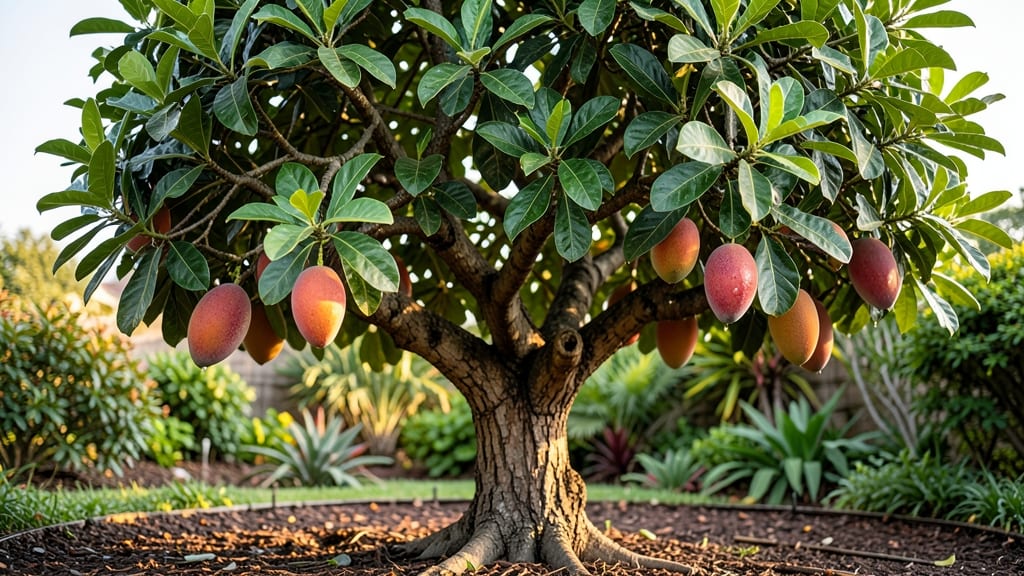
A mango tree with ripe fruits 🥭 is the ultimate reward for tropical fruit lovers—but if you miss the window, you’ll end up with a messy floor and wasted harvest.
Picture this: you’ve nurtured your tree for years, and now it’s heavy with golden fruit. But before you know it, half have already fallen, bruised and inedible. The key to avoiding this frustration? Knowing exactly when to pick, how to handle them, and what to do next.
In this guide, I’ll walk you through the telltale signs of perfect ripeness—color, scent, and texture—and share the safest way to harvest without damaging the tree or the fruit.
You’ll also learn how to store your haul so it stays fresh longer, whether you’re dealing with a backyard tree or a container-grown one.
No more guessing games or spoiled batches. By the end, you’ll be harvesting like a pro, with fruit that’s ready to eat or preserve—no overripe mess in sight.


How to identify perfectly ripe mangoes on the tree
Spotting the perfect ripe mango on your tree can feel like finding a hidden treasure—if you know what to look for. The difference between a ready-to-pick mango and one that’s about to drop is subtle, but these visual and tactile cues will help you avoid the disappointment of overripe fruit.
Start by examining the fruit’s color, which is your first major clue.
Most mango varieties develop a deep, rich hue when ripe—think golden yellow, reddish-orange, or even purple blush, depending on the type. For example, Haden mangoes turn a vibrant red, while Kent mangoes develop a golden yellow skin.
Avoid fruits that are still green or pale, as they need more time on the tree.
Next, give the mango a gentle squeeze near the stem. A ripe mango should yield slightly to pressure—like a ripe avocado—but not feel mushy. If it feels rock-hard, it’s not ready yet.
If it’s too soft or leaves an indent, it’s overripe and will drop soon. This simple test saves you from picking fruit that’s past its prime.
A sweet aroma at the stem is another telltale sign. Hold your nose near the fruit’s base—ripe mangoes emit a fruity, floral scent. If you detect no smell, the mango isn’t ready.
Overripe mangoes may smell fermented or overly sweet, which means they’re best eaten immediately or used in recipes.
Pay attention to the stem separation. Gently wiggle the mango while holding the stem—if it separates easily from the branch, it’s ready for harvest. This is a critical cue because mangoes that don’t separate easily often ripen unevenly or fall prematurely.
Avoid pulling too hard, as this can damage the tree.
One common mistake is assuming all mangoes ripen at the same time. Mango trees often produce fruit in waves, so check your tree every 2-3 days during peak season. If you miss the window, unripe mangoes won’t sweeten further off the tree—they’ll just rot.
Keep an eye out for pests or disease, too, which can mimic ripeness cues.
For container-grown mango trees, ripe fruit may drop faster due to limited root support. Harvest these slightly earlier than tree-grown mangoes to avoid waste. If you’re unsure, pick a few mangoes and let them ripen indoors—this way, you’ll learn your tree’s unique ripening patterns over time.
Finally, avoid the temptation to pick mangoes based on size alone. Some varieties, like Keitt mangoes, stay green until fully ripe, while others, like Tommy Atkins, develop color earlier. Always combine color, scent, and firmness for the most accurate assessment.
With these tips, you’ll go from guessing to confidently harvesting perfectly ripe mangoes—ready to enjoy fresh or share with neighbors. Happy picking! 🥭🌿
Step-by-step guide to harvesting mangoes without damaging the tree
Harvesting mangoes at the perfect moment preserves their sweet flavor and keeps your mango tree healthy. The key is patience and precision—overripe fruit falls easily, while underripe fruit won’t ripen properly off the tree.
I’ve learned that timing and technique make all the difference, especially when dealing with delicate branches and heavy fruit loads.
Before you start, gather your tools: a sharp pruning saw or harvesting knife, a sturdy ladder (if needed), and a bucket or basket to collect fruit. Wear gloves to protect your hands from the tree’s sharp thorns and sticky sap.
Different mango varieties—like Alphonso, Keitt, or Haden—require slightly different approaches, but the core principles remain the same.
Harvesting mangoes in the early morning is ideal because the fruit is cooler and firmer, reducing bruising. Avoid harvesting after rain or when the fruit is overly warm, as this speeds up spoilage. For container-grown trees, gently shake the pot to dislodge loose fruit before picking manually.
After your harvest, store mangoes at room temperature for 2–3 days to ripen further, or refrigerate them if they’re already ripe. Place a paper bag with a ripe banana nearby to speed up ripening using ethylene gas.
Never wash mangoes until you’re ready to eat them—the moisture speeds up decay.
With practice, you’ll develop a feel for the perfect harvesting window and protect both your fruit and tree. A well-timed harvest means juicier mangoes and a healthier tree ready for next season’s bounty. 🌱🍈