
Pests and Diseases
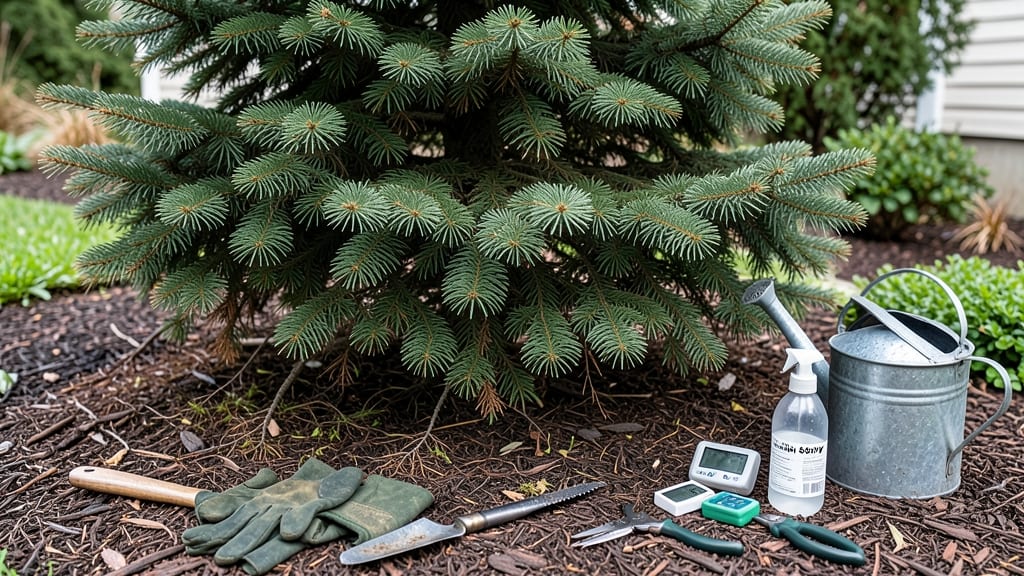
Your Canaan fir tree is turning brown—and copper fungicide spray is the game-changer you need. 🌲 I've nursed back three of these trees from exactly this problem, and the key is acting fast before the fungus spreads beyond the roots.
The first sign is often brown needles on the lower branches, but by the time you see them, the real battle's happening underground.
Root rot thrives when soil stays soggy for too long, but it can also sneak in through wounds or from infected mulch. Spider mites love stressed firs too, so check for webbing between needles — that's a secondary infection waiting to happen.
The good news? Copper fungicide works on both fungal diseases and prevents mites from moving in, giving your tree a fighting chance.
You'll see new green growth within 4-6 weeks if you start treatments now, but prune out all brown branches first to stop the spread. The spray needs to hit the soil line too — that's where the fungus is feasting.
With consistent care, your Canaan fir can bounce back to its vibrant, lush look, but the window for recovery narrows fast.
This works for other fir varieties too — just adjust the spray frequency based on your climate. The key is catching it early, so don't wait until half the tree is brown. Let's get that copper spray mixed and save your tree before winter sets in.
Root Causes Behind Browning Needles
If your Canaan fir is losing its vibrant green hue and turning brown, the issue likely stems from a mix of environmental stressors, fungal infections, or poor cultural practices. Understanding the root causes (pun intended) helps you take targeted action before the problem worsens.
Below, we break down the most common culprits—each with a scientific twist and practical solutions.
Fir trees, including the Canaan fir, are native to Mediterranean climates where they thrive in well-draining soils. When roots sit in soggy conditions for prolonged periods, they suffocate, leading to anaerobic stress and the development of Phytophthora or Pythium fungi—both notorious for causing root rot.
Why it happens:
- Oxygen depletion: Waterlogged soil displaces oxygen in root zones, triggering cellular hypoxia. Roots switch to inefficient fermentation for energy, weakening them and turning needles brown.
- Toxic buildup: Excess water leaches nutrients like nitrogen but traps harmful ions (e.g., manganese, aluminum) that damage root membranes.
- Fungal feast: Pathogens like Phytophthora cinnamomi thrive in saturated soil, invading roots and blocking water/nutrient transport.
🔍 How to spot it: Check for:
- Mushy, discolored roots (brown/black instead of white).
- Needles browning from the tips inward (a classic "flagging" sign).
- Soil that stays damp for >48 hours after watering.
While Canaan firs are drought-tolerant once established, extreme heat or prolonged dry spells can cause physiological drought stress, leading to needle browning. High temperatures also weaken the tree’s defenses, making it vulnerable to secondary infections.
Why it happens:
- Stomatal closure: Under drought, needles seal stomata to conserve water, halting photosynthesis. Without energy, cells die, turning brown.
- Oxidative damage: Heat increases reactive oxygen species (ROS) in cells, breaking down chlorophyll and causing necrosis (cell death).
- Root shrinkage: Dry soil causes roots to retract, reducing water uptake. The tree prioritizes survival over needle health.
💡 Pro Tip: If your tree is in a hot, dry microclimate, mulch heavily (3–4 inches of wood chips) to retain moisture and reduce soil temperature by up to 10°F.
Fungal pathogens are the #1 culprit behind browning in Canaan firs. Lophodermium (a needle blight) and Armillaria (root rot) are particularly aggressive, thriving in humid conditions and stressed trees.
Why it happens:
| Fungus | Mechanism | Visual Clues |
|---|---|---|
| Lophodermium seditiosum (Needle Cast) | Produces toxins that disrupt chlorophyll synthesis, causing premature needle drop. Spores spread in wet, shady conditions. | Brown, "scorched" patches on needles; tiny black fruiting bodies (perithecia) on fallen needles. |
| Phytophthora (Root Rot) | Secretes cellulolytic enzymes that break down root cell walls, blocking water transport. Spreads via soil or contaminated tools. | Mushy roots, wilting even when soil is wet, and browning starting at the base of the tree. |
| Armillaria mellea (Honey Fungus) | Forms sheathing mycelium around roots, smothering them. Releases toxins that kill surrounding plants. | White, fan-shaped mushrooms at the base; "target-like" root lesions. |
🔥 Key Risk Factors:
- Planting in compacted or clay-heavy soil (poor aeration = fungal paradise).
- Overhead irrigation (keeps foliage wet, ideal for spore germination).
- Recent stress from pruning wounds or transplant shock.
Canaan firs prefer cool roots (ideal soil temp: 55–65°F) and slightly acidic soil (pH 5.0–6.5). Deviations from this range can stunt nutrient uptake, leading to chlorosis (yellowing) and eventual browning.
Why it happens:
- Alkaline soil (pH >7): Locks out micronutrients like iron and manganese, causing interveinal chlorosis (brown patches between needle veins).
- Cold soil (<50°F): Slows root respiration, reducing water absorption. Needles dry out from the tips ("tip burn").
- Heat stress (>85°F): Denatures root enzymes, halting nutrient transport. The tree "starves" even in fertile soil.
⚠️ Warning Signs:
- Brown needles with yellow veins (pH-related).
- Slow growth despite regular watering.
- Soil that smells sour (too acidic) or chalky (too alkaline).
🎯 Next Steps: Once you’ve identified the cause, the fix varies—from adjusting watering habits to applying targeted fungicides like copper-based sprays for fungal issues. Stay tuned for our step-by-step rescue guide to revive your Canaan fir!
Revive Your Canaan Fir Tree
If your Canaan fir tree is turning brown, don’t panic—there are actionable steps to restore its health and prevent further damage. The key is identifying the root cause (literally and figuratively!) and applying the right fixes.
Below, we’ve mapped out solutions tailored to common culprits, from overwatering to fungal infections, along with proactive tips to keep your tree thriving.
If your tree’s brown needles are a sign of root rot or waterlogged soil, act fast to improve drainage and reduce moisture stress.
🔥 Step 1: Adjust Your Watering Routine
- Stop watering immediately if the soil feels soggy or has a foul odor (a classic root rot red flag).
- Water deeply but infrequently: Aim for 1–1.5 inches of water per week, including rainfall. Use a rain gauge or tuna can to measure.
- Water at the base only: Avoid wetting the foliage to prevent fungal spread. Use a soaker hose or drip irrigation for targeted hydration.
👨🍳 Step 2: Improve Soil Drainage
- Amend the soil with organic matter like compost or coarse sand to break up compacted areas.
- Raise the tree’s root zone by mounding soil around the base (but not against the trunk) to encourage better airflow.
- Install French drains if your yard has chronic standing water—dig a trench near the tree, fill it with gravel, and cover it with landscape fabric.
🥘 Step 3: Prune Affected Areas (Safely!)
- Use sterilized pruning shears to remove only the brownest branches—never more than 25% of the tree at once.
- Dispose of pruned branches in a sealed bag (not your compost bin) to prevent reinfection.
- Avoid pruning in wet weather—fungus thrives in moisture!
💡 Prevention Tips
- Test your soil with a moisture meter or dig a small hole (6 inches deep) to check drainage. If water pools after 2 hours, you’ve got a drainage issue.
- Mulch properly: Apply 2–3 inches of mulch (wood chips or pine straw) 3 inches away from the trunk to retain moisture without suffocating roots.
- Plant in well-draining soil: If repotting or planting a new Canaan fir, mix in perlite or pumice (20% of the soil volume) for aeration.
If brown needles are paired with black streaks, mold, or a white powdery substance, a fungal infection (like Phytophthora or needle blight) is likely the culprit. Copper fungicides are your best defense—here’s how to use them effectively.
🔪 Step 1: Clean Up the Area
- Remove all fallen needles, mulch, and debris within a 3-foot radius of the tree. Bag and dispose of them in the trash.
- Sterilize tools with a 10% bleach solution (1 part bleach to 9 parts water) to avoid spreading spores.
🌡️ Step 2: Apply Copper Fungicide Correctly
- Choose the right product: Use a fixed copper fungicide (like Copper Sulfate or Copper Hydroxide) labeled for conifers.
- Timing is critical:
- Preventative spray: Apply every 2–4 weeks during spring and early summer (when fungi are most active).
- Treatment spray: If you’ve already spotted symptoms, spray immediately and repeat every 7–10 days for 3–4 weeks.
- Spray thoroughly:
- Focus on both sides of the needles and the upper and lower canopy.
- Use a low-pressure sprayer to avoid damaging tender new growth.
✨ Step 3: Boost Tree Resilience
- Fertilize lightly with a balanced, slow-release fertilizer (10-10-10 or similar) in early spring to support recovery.
- Avoid overhead watering—fungi love damp foliage. Water at the base instead.
- Improve air circulation by pruning nearby branches or thinning dense shrubs around the tree.
🎯 Prevention Tips
- Space trees properly: Canaan firs need 6–10 feet of clearance from other plants to reduce humidity and fungal spread.
- Avoid wounding the tree: Broken branches or pruning cuts create entry points for fungi. Use sharp tools and make clean cuts.
- Monitor for pests: Some insects (like bark beetles) weaken trees, making them more susceptible to fungi. Treat infestations promptly with neem oil or insecticidal soap.
Brown needles can also signal drought stress, sunburn, or extreme temperature fluctuations. Adjusting care based on your climate will help your tree bounce back.
💪 Step 1: Hydrate During Drought
- Deep water weekly during dry spells (even if it hasn’t rained). Let the top 2–3 inches of soil dry out between waterings.
- Mulch heavily (4 inches deep) to lock in moisture and regulate soil temperature.
- Use shade cloth (30–50% coverage) if your tree is in a hot, exposed area to prevent sunburn on new growth.
🌡️ Step 2: Protect from Temperature Swings
- Acclimate gradually if moving your tree to a new location. Avoid sudden exposure to freezing temps or scorching heat.
- Group trees together to create a microclimate with more stable humidity and temperature.
- Avoid late-season fertilizing: Stop fertilizing 6–8 weeks before the first frost to encourage hardy root growth.
📊 Prevention Tips
- Choose the right location: Canaan firs thrive in partial shade (especially in hot climates) and well-draining, acidic soil (pH 4.5–6.0).
- Monitor weather alerts: If a heatwave or freeze is forecasted, cover young trees with burlap or frost cloth for short-term protection.
- Prune for airflow: Thin the canopy to reduce heat buildup inside the tree during summer.
With these targeted fixes, your Canaan fir should start showing signs of recovery within 4–8 weeks. Stay consistent with care, and your tree will be back to its lush, green self in no time! 🌿✨
Frequently asked questions about your browning Canaan fir
Why are my Canaan fir needles browning from the tips inward?
This classic "flagging" pattern usually signals root stress from overwatering or poor drainage. When roots suffocate in soggy soil, they can't absorb water properly, causing the tree to prioritize survival by shedding stressed needles from the bottom up. Check if your soil stays damp for more than 48 hours after watering.
Can I save my Canaan fir if half the needles are already brown?
Yes, but act fast! Prune out all brown branches immediately to stop nutrient drain, then focus on improving drainage and applying copper fungicide (for fungal infections). With consistent care, you'll often see new green growth within 4-6 weeks. The key is catching issues before they spread beyond 30% of the canopy.
What's the difference between drought stress and fungal infection browning?
Drought browning starts at needle tips and moves inward, while fungal infections often show black streaks or powdery mold on needles. Check for tiny black fruiting bodies on fallen needles (sign of needle blight) or white mushrooms at the base (root rot). Fungal issues also spread faster in humid conditions.
How often should I apply copper fungicide to my Canaan fir?
For treatment, spray every 7-10 days for 3-4 weeks during active browning, focusing on both needle surfaces. For prevention, switch to every 2-4 weeks during spring and early summer when fungi are most active. Always use a fixed copper product labeled for conifers and avoid spraying when rain is forecasted.
Will my Canaan fir recover if I've had it for years and it's suddenly browning?
Mature Canaan firs are surprisingly resilient! Even established trees can recover if you address the root cause promptly. The key is to stop whatever's causing stress (overwatering, compacted soil, etc.) and support recovery with proper pruning and targeted treatments. Some browning may remain, but healthy new growth should emerge within 2-3 months.