
Pruning
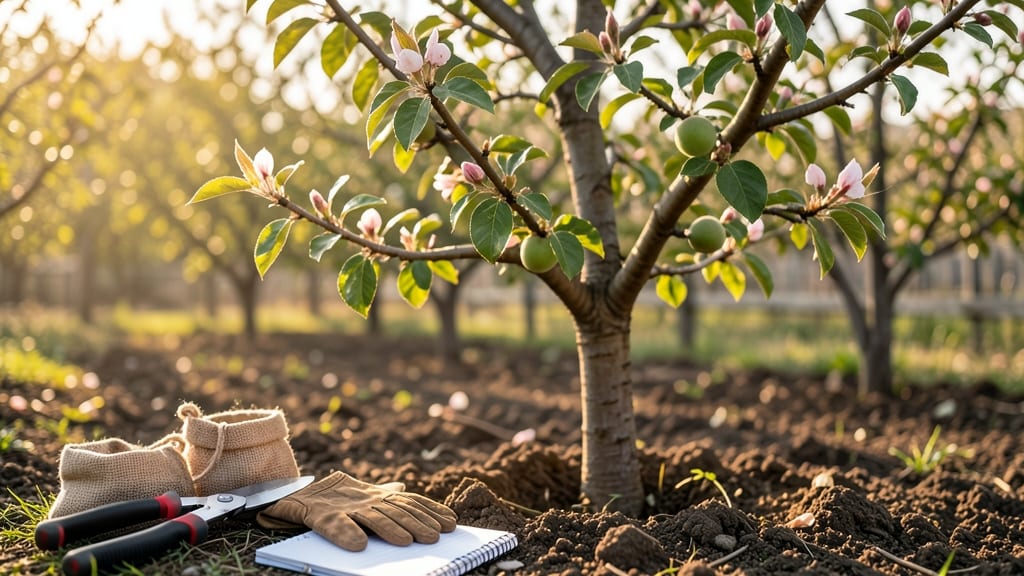
You can prune a peach tree after it blooms only for light corrective work, as heavy cuts risk removing next year’s fruit buds. Focus on removing dead wood or crossing branches while avoiding areas where new buds are forming.
Peach trees develop fruit buds during the current growing season, not the previous one, so pruning after bloom affects next year’s harvest. 🌸 The buds form along last year’s wood, and aggressive cuts remove these potential fruit sources.
Even a small trim can disrupt the tree’s hormonal balance, reducing next year’s yield. If you must prune, limit cuts to 10-15% of the canopy and prioritize safety over shaping.
For example, removing a branch that’s rubbing against another won’t harm fruit production, but cutting large limbs risks losing dozens of buds. Always prune in late winter or early spring when the tree is dormant for the best results.
Use sharp, clean tools to make precise cuts just outside the branch collar.
💡 In This Article
- Why Post-Bloom Pruning Damages Peach Tree Fruit Production
- Safe Post-Bloom Trimming Techniques for Peach Trees
Why post-bloom pruning damages peach tree fruit production
Peach trees form fruit buds during the current growing season, not the previous one, which is why post-bloom pruning can devastate next year's harvest. These buds develop along last year's wood, typically appearing as small, swollen areas where branches meet the trunk or larger limbs.
When you make heavy cuts after bloom, you're often removing these dormant buds before they've had a chance to mature. For example, a 1-inch diameter branch might contain 50-100 buds, each representing a potential fruit.
The damage goes beyond just lost buds. Pruning triggers hormonal responses in the tree that redirect energy away from fruit development. When you remove significant portions of the canopy, the tree prioritizes healing wounds and growing new leaves over setting fruit buds for next season.
This hormonal shift can reduce next year's yield by 30-50% in severe cases. The tree's natural growth regulators, like auxins, which normally stimulate fruit bud formation, get disrupted by sudden changes in the canopy structure. 🌱
Timing is everything with peach trees. The critical window for fruit bud formation begins immediately after bloom and continues through early summer. If you prune during this period, you're essentially telling the tree to pause its reproductive cycle.
Even light pruning can delay bud development by 2-4 weeks, which may not seem like much but can significantly impact fruit quality and quantity. The buds that do form may be smaller or less vigorous, leading to weaker fruit production.
Visual clues can help you identify where fruit buds are forming. Look for small, rounded swellings along the branches where last year's growth meets new wood. These buds will be slightly larger than leaf buds and often appear in clusters.
If you're unsure, wait until late summer when the buds become more pronounced before attempting any pruning. The texture of these buds is firm yet slightly pliable, unlike the harder, more woody appearance of dormant buds that won't produce fruit.
Understanding this process helps explain why professional orchardists avoid heavy pruning during the growing season. Instead, they focus on dormant season pruning (late winter to early spring) when the tree isn't actively producing buds. This timing allows the tree to recover fully before the next bud formation cycle begins.
The key takeaway is that peach trees are more resilient to pruning when they're not in their reproductive phase. 🌿