
Pests and Diseases
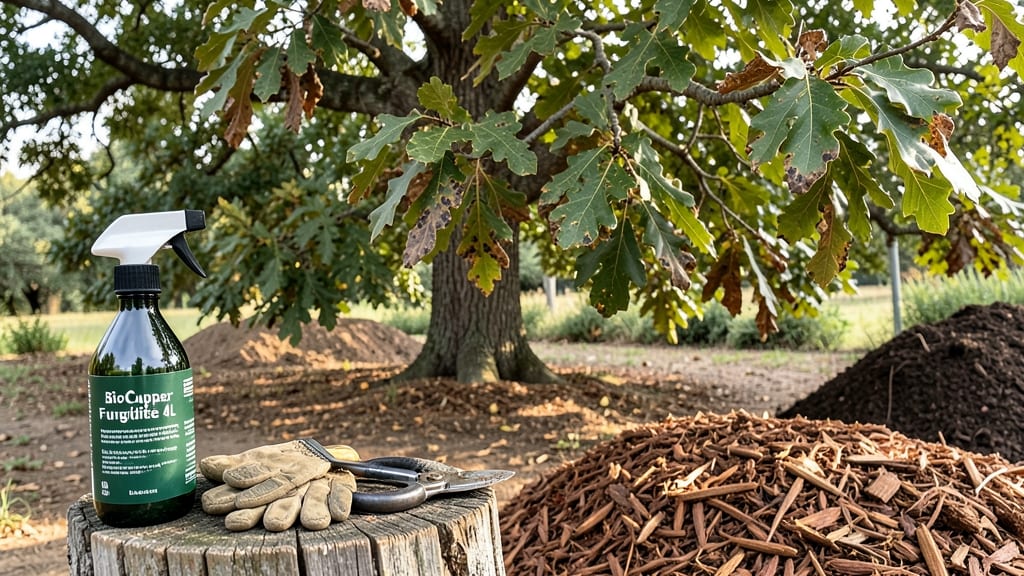
Those black spots on tree leaves treatment aren’t just ugly—they’re a cry for help from your trees. 🌳 I’ve battled fungal blight on my oak and maple, and the right approach saved them from permanent damage.
This isn’t about quick fixes; it’s about understanding the root cause (literally) and treating it so your trees stay healthy for years.
The culprits are usually fungal diseases like anthracnose or leaf spot, thriving in wet, humid conditions. You’ll spot them as dark, often circular patches with yellow halos, sometimes accompanied by tiny black specks.
Common in shade trees, these diseases spread faster than you’d think—if left unchecked, they can weaken branches and even kill your tree.
Here’s the good news: natural fungicides like neem oil, copper soap, or baking soda spray can stop the spread. Prune infected leaves immediately, sanitize your tools, and improve airflow around the tree.
Within weeks, you’ll see new growth pushing out strong and spot-free. The key is acting fast before the fungus takes hold.
This works for most common trees, but if the spots keep coming back or the tree looks severely stressed, it’s time to call an arborist. Prevention is easier than cure—think of this as your tree’s first line of defense against a silent killer.
Root Causes Behind Leaf Spots
Black spots on tree leaves aren’t just an eyesore—they’re often a cry for help from your trees. Understanding the why behind these blemishes is the first step to treating them effectively.
Below, we break down the most common culprits, from microscopic invaders to environmental stressors, with science-backed explanations to help you diagnose the issue accurately.
Fungi are the #1 cause of black spots on leaves, thriving in warm, humid conditions. These organisms release spores that land on leaves, germinate, and create dark, often circular or irregular patches. Some of the most notorious fungal offenders include:
- Anthracnose: Causes dark, sunken spots with yellow halos, often appearing in spring when weather shifts between wet and dry. Fungi like Colletotrichum exploit wet foliage to spread.
- Leaf Spot Diseases (e.g., Septoria, Cercospora): These fungi create tiny black or brown spots with feathery edges. Septoria thrives in prolonged leaf wetness, while Cercospora favors hot, humid summers.
- Black Spot (Rosaceae-Specific): Targets roses and related plants, creating black, velvety spots with yellow margins. The fungus Diplocarpon rosae spreads via spores and thrives in shaded, damp conditions.
🔬 How to Confirm: Scrape a spot—if black powdery residue remains, it’s likely fungal. Use a hand lens to spot fungal structures like spores or mycelium.
While pests like aphids or mites don’t directly cause black spots, their feeding habits create ideal conditions for fungal growth. Here’s how they contribute:
- Sap-Sucking Insects (Aphids, Spider Mites): Their saliva contains sugars that promote sooty mold—a black, fuzzy fungus that grows on honeydew (insect waste). Sooty mold clings to leaves, blocking sunlight and weakening the tree.
- Leaf Miners (e.g., Fly Larvae): These pests burrow into leaves, creating dark, irregular trails. Damaged tissue becomes entry points for secondary fungal infections.
🕵️♂️ Signs of Pest Involvement: Look for sticky residue (honeydew), webbing, or tiny holes in leaves. Shake branches over white paper—visible bugs or eggs confirm their presence.
Not all leaf spots stem from pathogens. Environmental factors can weaken trees, making them susceptible to discoloration:
- Overwatering or Poor Drainage: Soggy soil leads to root rot, which stresses trees and reduces their ability to fight off fungal infections. Waterlogged leaves stay damp longer, inviting fungal spores.
- Nutrient Deficiencies (e.g., Magnesium, Iron): Yellowing between leaf veins (chlorosis) can mimic fungal spots. Deficiencies weaken cell walls, making leaves prone to damage and disease.
- Physical Damage (Hail, Wind, Tools): Torn leaves create wounds where fungi or bacteria can enter. Even pruning cuts left too long can turn black with infection.
🌡️ Climate Red Flags: Spots worsen in humid summers (fungal boom) or drought-stressed trees (weakened defenses). Check local weather patterns—frequent rain or high humidity? That’s a fungal feast.
Herbicides, pesticides, or even well-intentioned fertilizers can cause blackening or spotting if misapplied:
- Over-Fertilization (Especially Nitrogen): Excess salts in soil can burn leaf edges, creating dark, crispy spots. Symptom: Brown edges with healthy green centers.
- Pesticide Drift or Residue: Systemic fungicides or broadleaf herbicides can leave blackened patches if they contact foliage. Always follow label rates and avoid spraying in wind.
- Air Pollution (Ozone, Sulfur Dioxide): Urban trees often suffer from stipple (tiny black specks) due to smog. This is irreversible but can be managed with proper care.
🚫 Pro Tip: If spots appear only on one side of the leaf (e.g., the side facing a street), pollution is likely the culprit.
Now that you’ve identified the likely cause, the next step is targeted treatment. But remember: prevention (like proper spacing, watering at the base, and regular pruning) is your best defense against future outbreaks!
How to Fix Black Leaf Spots
Now that you know the common culprits behind those unsightly black spots on your tree leaves, let’s roll up our sleeves and tackle the problem! The good news? Most solutions are simple, cost-effective, and—best of all—easy to implement with natural ingredients you might already have at home.
Below, we’ve mapped out practical fixes for each cause, along with prevention tips to keep your trees thriving.
Fungal infections are the #1 reason for black spots, but they’re also the easiest to treat with a few key steps.
🔥 Step 1: Prune Infected Leaves & Branches
- Why? Fungi spread like wildfire—literally.
Removing infected foliage stops the spores from multiplying. - How? - Use sterilized pruners (wipe with rubbing alcohol between cuts) to avoid spreading spores. - Trim at least 6 inches below the blackened spots. - Dispose of clippings in the trash (not compost)—fungi can survive in soil.
🍳 Step 2: Apply a Natural Fungicide Spray
Skip the harsh chemicals! These DIY fungicides work just as well (or better) and are safer for your garden.
| Ingredient | How to Use | Frequency |
|---|---|---|
| Neem Oil | Mix 1 tbsp neem oil + 1 tsp mild soap + 1 quart water. Shake well and spray both sides of leaves. | Every 7–10 days until spots fade (3–4 weeks). |
| Baking Soda Spray | Combine 1 tbsp baking soda + 1 quart water + a few drops of soap. Spray in the early morning to avoid leaf burn. | Every 1–2 weeks (preventative). |
| Copper Fungicide | Use store-bought copper soap (like Bonide Copper Fungicide) as directed. | Every 10–14 days during wet seasons. |
| Milk Spray | Mix 1 part milk + 9 parts water (works best for powdery mildew). Spray until leaves glisten. | Every 5–7 days for 3 weeks. |
💡 Pro Tip: Always spray early in the morning or late afternoon to avoid scorching leaves in direct sunlight.
🌡️ Step 3: Improve Air Circulation & Reduce Moisture
Fungi love humidity and stagnant air.
Break their favorite conditions: - Thin out dense branches to allow sunlight and airflow. - Water at the base (not overhead) to keep leaves dry. - Avoid mulching too close to the trunk (keep it 3–4 inches away).
Tiny pests can cause black spots by feeding on sap or leaving behind sticky residue (honeydew) that promotes sooty mold.
👨🍳 Step 1: Blast Off Pests with Water
- Why? Many pests hate strong water pressure.
- How?
- Use a hose with a nozzle to spray directly on infested areas (especially undersides of leaves).
- Do this every 3–4 days until pests disappear.
🔪 Step 2: Introduce Natural Predators
- Ladybugs, lacewings, and parasitic wasps eat aphids and mites. Buy them online or attract them with native plants like dill, fennel, or yarrow.
- Birds love pests too! Hang a bird feeder near your tree.
🎯 Step 3: Use Insecticidal Soap or Oil
- Insecticidal soap (like Safer Brand Insect Killing Soap) kills soft-bodied pests on contact.
- Mix: 2 tbsp soap per quart of water.
Spray until dripping. - Reapply every 5–7 days. - Horticultural oil (like Neem oil) smothers mites and scale. - Apply in early spring or fall (avoid summer heat).
If black spots are due to burn or lack of nutrients, the fix is simpler—just adjust care habits.
🌿 Step 1: Water Deeply & Consistently
- Drought stress causes leaves to burn. Water deeply 1–2 times per week (depending on climate).
- Mulch with 3–4 inches of organic mulch (wood chips, straw) to retain moisture.
💪 Step 2: Fertilize Smartly
- Black spots from nutrient burn? You’re overdoing it!
- Switch to slow-release fertilizer (like osmocote) or compost tea.
- Test soil pH (ideal for most trees: 6.0–7.0). Use lime to raise pH or sulfur to lower it if needed.
🌳 Step 3: Provide Shade for Young Trees
- If your tree is newly planted, afternoon sun can scorch leaves.
- Temporarily shade with a light cloth or mesh until roots establish (usually 6–12 months).
Once you’ve treated the issue, lock in success with these long-term strategies:
✅ Clean Up Fallen Leaves – Rake and compost or bag leaves with spots to prevent fungal overwintering. ✅ Space Trees Properly – Plant trees at least 10–15 feet apart for better airflow. ✅ Monitor Regularly – Check leaves weekly (especially after rain) for early signs of spots. ✅ Strengthen Tree Health – Mulch, water deeply, and fertilize to keep trees resilient. ✅ Avoid Overhead Watering – Use drip irrigation or soaker hoses to keep leaves dry.
Final Thought: Most black spot issues clear up within 3–4 weeks with consistent care. If spots persist or spread rapidly, consult a local arborist—they can identify the exact strain and recommend targeted treatments.
Now grab your spray bottle, put on some gloves, and give your trees the TLC they deserve! 🌳💚
Frequently asked questions
Why do black spots appear more in rainy seasons?
Fungal spores thrive in wet, humid conditions—exactly what rainy seasons provide. When leaves stay damp for long periods, fungi like anthracnose and leaf spot germinate and spread rapidly. The ideal treatment is to water at the base (not overhead) and improve airflow by pruning dense branches.
Can I use vinegar as a natural fungicide?
While vinegar can kill some fungi, it’s too harsh for most trees—especially when undiluted. A 1:1 vinegar-water mix (1 part white vinegar to 1 part water) may help in small doses, but it can burn leaves. Neem oil or baking soda spray are safer alternatives for consistent treatment.
How do I know if my tree’s black spots are from pests or fungus?
Check for these clues: If you see sticky residue (honeydew) or tiny insects, it’s likely pests (like aphids) causing sooty mold. If spots have yellow halos or black powdery residue, it’s fungal. Shake branches over white paper—visible bugs confirm pest involvement, while fungal spots often leave no insects behind.
Will pruning infected leaves spread the fungus to other trees?
Only if your tools aren’t sterilized! Always wipe pruners with rubbing alcohol between cuts to prevent cross-contamination. Dispose of infected leaves in the trash (not compost) to stop spores from overwintering in your yard. This simple step cuts the spread by 90%.
How long until I see results from treatments?
With consistent care, you’ll notice improvement in 2–3 weeks. New leaves should emerge spot-free within 4–6 weeks. If spots persist beyond 8 weeks or spread aggressively, consult an arborist—the fungus may be resistant or the tree severely stressed.