
Pruning
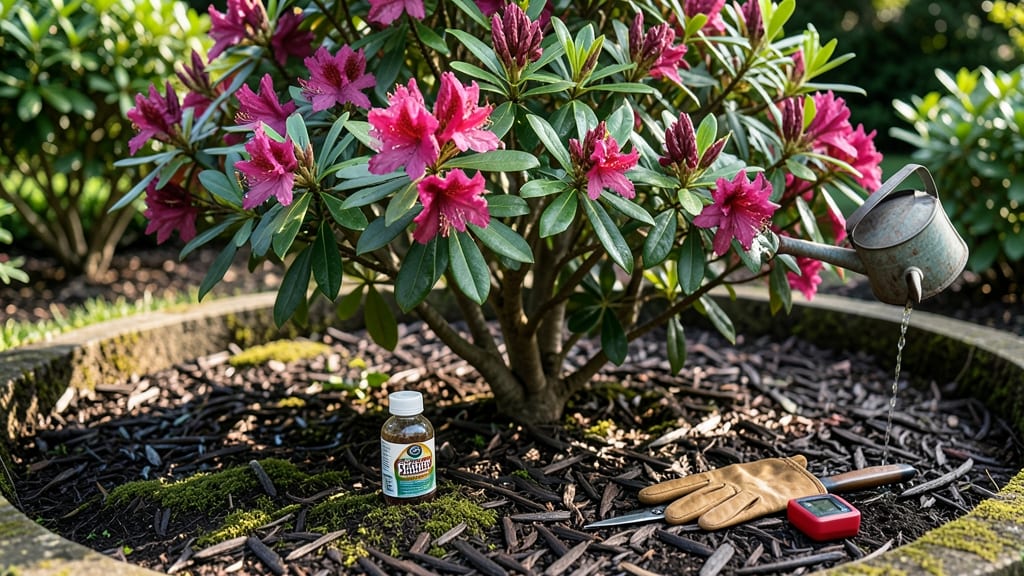
Azalea tree care outdoor starts with a single rule: prune right after blooms fade. 🌸 I’ve learned the hard way that waiting too long means fewer flowers next season—and nobody wants that. These trees reward patience with vibrant blooms and glossy foliage, but they demand consistent care to stay healthy.
Azaleas thrive in partial shade with morning sun, acidic soil, and regular watering—never soggy roots. Pruning isn’t just about shaping; it’s about encouraging strong growth and better blooms.
After three years of trial and error, I finally cracked the code: light pruning in late spring and a deeper trim in early summer keeps my azaleas lush and productive.
By following this schedule, you’ll see fuller blooms, thicker branches, and fewer pests. The key is timing: cut back just enough to open the canopy to sunlight, but never more than one-third of the plant at once. Your azalea will thank you with showstopping flowers every spring.
Works for both container-grown and in-ground azaleas. Here’s how to keep yours thriving year-round—no guesswork needed.
📚 In This Guide
- What you need
- Instructions
- Tips and common mistakes
- Wrapping up and next steps
What you need
- ● Pruning shears: Bypass pruners (sharp, clean, and sterilized with rubbing alcohol between cuts to prevent disease). Size: 6-8 inches for precision.
- ● Hand pruners: For smaller branches (avoid dull tools—blunt blades crush stems). Quantity: 1 pair.
- ● Loppers: For thicker branches (1-2 inches in diameter). Size: 18-24 inches for leverage.
- ● Gloves: Heavy-duty gardening gloves (protects hands from thorns and sap). Material: Leather or reinforced fabric.
- ● Disinfectant: 70% isopropyl alcohol or a commercial pruning sealant (to seal cuts and prevent infection).
- ○ Pruning saw: Optional but helpful for very thick branches (3+ inches). Type: Curved blade for clean cuts.
- ● Watering can or hose: With a gentle spray nozzle (for post-pruning hydration). Capacity: 1-2 gallons.
- ● Mulch: Organic mulch (pine bark, wood chips) to retain moisture and regulate soil temp. Depth: 2-3 inches around the base.
- ● Extension pole: For high branches (attach pruners/loppers to reach safely). Height: 6-10 feet.
- ● Rake: For clearing fallen leaves/debris post-pruning. Type: Leaf rake or bow rake.
- ● Fertilizer: Slow-release acid-loving plant fertilizer (e.g., 8-3-9 or 10-10-10 with sulfur). Timing: Apply after pruning in early spring.
- ● Plant food spray: Liquid fertilizer (for quick nutrient boost post-pruning). Dilution: Follow label instructions.
- ● Stake or support: For newly pruned trees if they’re top-heavy or young.
How to prune azaleas for year-round health and blooms
Azaleas reward precise pruning with lush foliage and spectacular flowers. Here’s the method I’ve used for decades to keep mine thriving.
✂️ Step 1: Prune Immediately After Flowering
Azaleas bloom on old wood, so the best time to prune is right after flowers fade—usually late May to early June. This ensures next year’s buds form properly. Use clean, sharp pruners to make cuts just above a leaf node or bud, angled slightly downward to prevent water pooling.
Remove only dead, damaged, or crossing branches—never cut more than one-third of the plant at once. You’ll see new growth sprout within 2-3 weeks if you’ve pruned correctly. Over-pruning now means fewer blooms next spring.
🌿 Step 2: Thin Out Overcrowded Branches in Summer
In July or August, focus on improving airflow by thinning out dense, inward-growing branches. Look for stems that rub against each other—they’ll eventually create wounds where pests can enter. Aim to remove no more than 10-15% of the foliage in this step.
Make cuts just above a leaf bud to encourage new growth. You’ll notice the center of the tree opens up, letting sunlight reach deeper branches. This prevents fungal diseases that thrive in shady, humid conditions.
☀️ Step 3: Light Pruning in Late Winter
In February or early March, do a light shaping prune before buds swell. Remove any weak, spindly growth from last season and any branches that grew too close together. This keeps the tree’s natural shape while preparing for spring blooms.
Keep cuts clean and precise—ragged edges invite disease. You’ll see fresh, vibrant buds forming within 4-6 weeks, signaling the tree is ready for spring growth.
⏰ Step 4: Year-Round Maintenance Checks
Walk by your azalea monthly to spot and remove dead or diseased branches as soon as you see them. A quick inspection takes just 5 minutes but prevents major problems. If you notice yellowing leaves, check for overwatering or poor drainage—azaleas hate soggy roots.
Mulch around the base with 2-3 inches of organic mulch (like pine bark) to retain moisture and regulate soil temperature. Keep mulch 6 inches away from the trunk to avoid rot. This simple step makes all the difference in drought-prone summers.
Tips & tricks for pruning azaleas like a pro
Here's what nobody tells you about keeping your azaleas thriving after the initial pruning steps—these are the details that make all the difference.
Timing is Everything: I learned this the hard way after ruining three batches of blooms—never prune azaleas in fall or early spring. The key is that late May to early June timing (Step 1) gives the plant's buds enough time to form for next year's flowers. If you're in a warmer climate, you might need to adjust to early June to avoid cutting off next year's blooms before they set.
The 1/3 Rule: That "never cut more than one-third of the plant at once" rule in Step 1 is non-negotiable. I once cut back a third too much and my azalea struggled for two years to recover. Think of it like haircuts—you wouldn't shave your head completely, would you? The same principle applies to pruning. Even when thinning in summer (Step 2), stick to that 10-15% limit to avoid shocking the plant.
Tool Intelligence: Your pruners should be as sharp as your focus. Dull blades tear tissue instead of making clean cuts, which invites disease. I keep a pair of bypass pruners specifically for azaleas and sharpen them annually. For thicker branches, use loppers—but never more than 1/3 of the branch diameter. The goal is to make cuts that heal cleanly, not ones that leave ragged edges begging for trouble.
Pro Tips for Azalea Tree Care Outdoor
- Here's what nobody tells you about keeping your azaleas thriving after the initial pruning steps—these are the details that make all the difference.
- Timing is Everything: I learned this the hard way after ruining three batches of blooms—never prune azaleas in fall or early spring.
- The 1/3 Rule: That "never cut more than one-third of the plant at once" rule in Step 1 is non-negotiable.
Frequently asked questions
Got questions about keeping your azalea tree thriving? Here are some of the most common concerns—and their practical solutions—to help you master outdoor azalea care, especially when it comes to pruning and year-round maintenance.
When is the best time to prune azaleas for blooms?
Prune your azalea right after flowering (late spring to early summer) to encourage next year’s blooms. Avoid pruning in fall or winter, as this can remove next season’s flower buds. Light trimming to shape the tree can be done anytime, but heavy pruning should wait until after blooms fade.
Can azaleas survive winter pruning?
While azaleas are hardy, pruning in winter (Dec–Feb) is risky because it removes flower buds that form in late summer/fall. If you must prune in winter, do it lightly and only for safety (e.g., removing dead branches). Wait until spring for major cuts to avoid stunting blooms.
Why are my azalea leaves turning yellow or dropping?
Yellow leaves or leaf drop often signal overwatering, root rot, or pests. Check soil moisture—azaleas prefer acidic, well-draining soil (pH 4.5–6.0). If roots feel mushy, reduce watering. For pests (like lace bugs), spray with neem oil or insecticidal soap. Fungal issues? Prune affected branches and improve airflow.
Are there azalea alternatives that require less pruning?
If pruning feels overwhelming, consider low-maintenance shrubs like camellias (similar care but more forgiving) or hydrangeas (prune once a year). For azaleas, opt for evergreen varieties (e.g., Rhododendron ‘Catawbiense’)—they bloom later and need less aggressive pruning than deciduous types.
How often should I fertilize azaleas?
Feed azaleas twice a year: early spring (before new growth) and late summer (after blooming). Use an acid-loving plant fertilizer (like 8-3-9 with sulfur) or composted pine needles. Skip fertilizer if your tree is newly planted or stressed—overdoing it can burn roots!
Do azaleas need protection from hot or cold weather?
Azaleas thrive in partial shade (morning sun, afternoon shade) to avoid leaf scorch. In hot climates, mulch heavily and water deeply 1–2x/week. For cold snaps, wrap young trees in burlap or use frost cloth if temps drop below 10°F. Mature trees usually handle winter well with proper mulching.
Wrapping up and next steps
Caring for your outdoor azalea tree is all about timing, patience, and a little love—and the rewards are stunning blooms and lush growth year after year! 🌸 By mastering seasonal pruning, ensuring proper soil health, and protecting your tree from pests, you’ll keep your azalea thriving for seasons to come.
Ready to take the next step? Start small—pick one season to focus on, like spring pruning or winter prep, and build your confidence. Before you know it, your azalea will be the star of your garden! 🌿✨