
Trees
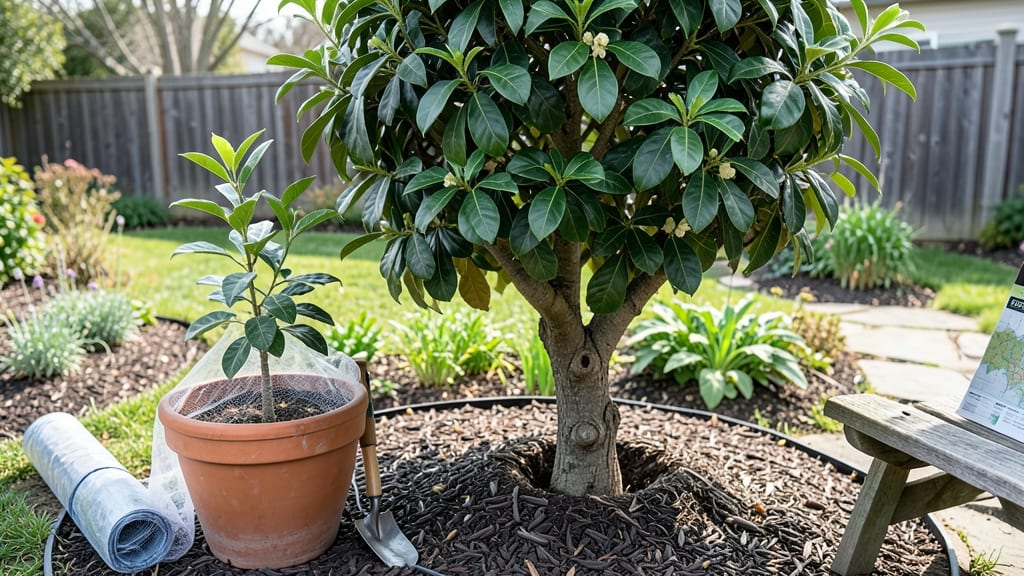
Growing an avocado tree in Zone 7 feels like a high-stakes gamble—until you pick the right variety. 🌱 After killing three tropical plants last winter, I finally found the cold-hardy types that thrive where I live, and the secret isn't just the variety but how you protect it through those icy months.
Start with Mexican or West Indian varieties like Hass or Reed—they handle temperatures down to 20°F if sheltered properly. The soil needs to drain like a sandy beach (no soggy roots!), and a 10-15 gallon container lets you move it indoors when frost threatens.
Most gardeners overlook microclimates—plant near a south-facing wall or under a patio cover to trap heat.
By summer, you'll watch glossy leaves unfurl and tiny flowers appear—then those first creamy-green fruits. The key is consistent watering (never soggy, never dry) and a balanced fertilizer every 6-8 weeks. Even in Zone 7, with the right care, your tree can live for decades and produce fruit reliably.
Container growing is your secret weapon here—no need for fancy greenhouses. Just move the pot inside before 32°F hits, and you're golden. The payoff? Fresh avocados straight from your backyard, not a store shelf. Let's get that tree growing!
📚 In This Guide
- What you need
- Instructions
- Tips and common mistakes
- Wrapping up and next steps
What you need
- ● Avocado Seed or Cold-Hardy Nursery Sapling: 1 seed (from Hass or Fuerte varieties) or
- ● 1 cold-hardy nursery sapling (e.g., Mexicola, Wurtz, or Lamb Hass)
- ● Well-Draining Potting Mix: 5-10 gallons (for seedlings) or 15+ gallons (for saplings)
- ● Large Container or In-Ground Planting Spot: Container: 15-20 gallon pot with drainage holes or
- ● In-ground: Full sun location with 6+ feet of space for root spread
- ● Slow-Release Fertilizer: Balanced (10-10-10) or citrus-specific blend (1 lb per tree)
- ● Mulch: 2-3 inches of organic mulch (e.g., wood chips or straw)
- ● Gloves & Pruners: Sharp bypass pruners for trimming
- ● Watering Can or Hose with Adjustable Nozzle: For gentle hydration
- ○ Thermometer (Optional): To monitor soil temps below 20°F (critical for Zone 7)
- ○ Frost Cloth or Burlap (Optional): For winter protection in Zone 7a
- ○ pH Test Kit (Optional): Ideal soil pH: 6.0–7.0
Step-by-step instructions for growing avocado trees in Zone 7
Here's how to cultivate cold-hardy avocado varieties that thrive despite Zone 7's winter chill.
🌱 Step 1: Select Cold-Hardy Varieties and Start Your Tree
For Zone 7, choose cold-tolerant varieties like 'Hass' or 'Fuerte'—they survive brief dips to 20°F better than tropical types. Start with a 6-12 month-old nursery tree (smaller than seed-grown) for faster fruiting. Avoid seed-grown trees—they take 10+ years to bear fruit and rarely survive Zone 7 winters.
When selecting, look for thick, dark green leaves and sturdy stems—these indicate healthy stock. I always check the root flare (where roots meet trunk) to ensure it's slightly above soil level, which prevents rot. Plant in late spring after your last frost date when soil warms to 65°F—cold soil slows root establishment.
🪴 Step 2: Prepare the Planting Site and Soil
Avocados need well-draining, slightly acidic soil (pH 6.0-7.0)—they hate soggy roots. Amend native clay soil with 25% compost and 10% perlite to improve drainage. I dig a hole twice as wide as the root ball but only as deep—planting too deep suffocates the roots.
Place the tree in the hole and backfill with native soil mixed with compost, tamping gently to remove air pockets. Water deeply until moisture reaches 12 inches down—this encourages roots to grow downward for stability. Mulch with 3 inches of wood chips, keeping mulch 6 inches away from the trunk to prevent rot.
☀️ Step 3: Provide Shelter and Optimal Sunlight
Zone 7 winters demand protection. Plant your tree near a south-facing wall or use a windbreak to shield it from cold north winds. I wrap the trunk with burlap during winter and cover the canopy with frost cloth when temperatures drop below 30°F. Remove covers in early spring to avoid overheating.
Avocados need full sun (6+ hours daily) but tolerate partial shade in hot afternoons. You'll see yellowing leaves if it's too hot—this means it's time to provide afternoon shade. Water deeply once a week during dry spells, aiming for 1-1.5 gallons per watering for mature trees.
✂️ Step 4: Prune and Fertilize for Winter Hardiness
Prune in late winter before new growth starts, removing dead, crossing, or weak branches. I cut back only 10-15% of the canopy to avoid stress—avocados are sensitive to heavy pruning. Sterilize pruners with rubbing alcohol between cuts to prevent disease spread.
Fertilize in early spring with a balanced 10-10-10 fertilizer, applying ½ cup per year of tree age. Too much nitrogen causes tender growth that freezes easily. Watch for leaf curl or brown tips—these signal over-fertilization. In fall, switch to a low-nitrogen, high-potassium fertilizer to strengthen roots for winter.
⏰ Step 5: Winter Care and Spring Transition
Monitor your tree weekly during winter. If temperatures drop below 25°F, wrap the trunk with bubble wrap and cover the canopy with frost cloth secured with stakes. Check for ice buildup—this can break branches. I gently brush off ice with a soft broom to prevent damage.
In early spring, remove winter covers gradually over 7-10 days to avoid shocking the tree. Resume watering when soil is dry 2 inches down, and apply a 2-inch layer of mulch to insulate roots. You'll see new growth within 3-4 weeks—this confirms the tree survived winter successfully.
Tips & tricks for thriving avocado trees in Zone 7
These little details make all the difference when nurturing avocado trees in colder climates.
Variety Selection: While 'Hass' and 'Fuerte' are your best bets for Zone 7, don't overlook 'Lamb Hass'—it's slightly more cold-tolerant than standard Hass varieties. When purchasing, inspect the tree's root system for any signs of girdling (roots circling the trunk), which can strangle growth. I always request a root flare inspection from the nursery to ensure healthy stock before purchase.
Soil Preparation: The 25% compost and 10% perlite ratio is perfect, but if you're working with extremely dense clay, consider adding 20% coarse sand to further improve drainage. After amending, test your soil's pH—avocados prefer slightly acidic conditions (6.0-7.0). If your soil tests outside this range, use sulfur to lower pH or lime to raise it gradually over several months.
Winter Protection: When temperatures drop below 25°F, I've found that adding a second layer of frost cloth over the initial covering provides extra insulation without overheating the tree. Secure it tightly with stakes and weights to prevent wind damage. For the trunk, wrap with bubble wrap but leave a small gap at the top to allow for moisture escape—this prevents rot while still providing warmth.
Fertilizer Timing: The early spring application of 10-10-10 fertilizer is crucial, but timing matters even more. Apply it when you see new growth emerging (typically late April in Zone 7), not just when the calendar says spring. This ensures the tree has the nutrients it needs for active growth. In fall, switch to a high-potassium fertilizer to help the tree prepare for winter dormancy.
Pro Tips for Avocado Tree Zone 7
- These little details make all the difference when nurturing avocado trees in colder climates.
- Variety Selection: While 'Hass' and 'Fuerte' are your best bets for Zone 7, don't overlook 'Lamb Hass'—it's slightly more cold-tolerant than standard Hass varieties.
- Soil Preparation: The 25% compost and 10% perlite ratio is perfect, but if you're working with extremely dense clay, consider adding 20% coarse sand to further improve drainage.
Frequently asked questions
Got questions about growing avocado trees in Zone 7? You’re not alone! Here are answers to the most common concerns—from cold protection to harvest timing.
Can avocado trees survive winters in Zone 7 without extra protection?
Most standard avocado varieties (Persea americana) are tropical and won’t survive Zone 7 winters (10–20°F) long-term. However, cold-hardy varieties like ‘Mexicola’ or ‘Gwen’ can tolerate brief dips to 15°F with proper care. For extra safety, grow them in containers and move them indoors or under cover during freezing temps.
How long does it take for an avocado tree to bear fruit in Zone 7?
With ideal conditions (warmth, sunlight, and cold protection), cold-hardy avocado trees may produce fruit in 3–5 years. Patience is key—young trees focus on root and canopy growth first. Pro tip: Prune lightly to encourage fruiting branches and fertilize with citrus/avocado-specific nutrients (high in zinc and potassium).
What’s the best way to protect my avocado tree from cold snaps in Zone 7?
Use a mix of strategies:
- Insulation: Wrap the trunk with burlap or bubble wrap and mound soil around the base (up to the graft union).
- Coverings: Drape frost cloth or a blanket over the tree (secure loosely to avoid frost damage).
- Heat sources: Place string lights or a small space heater (safely distanced!) near the base on extreme nights.
- Containers: If potted, move the tree to a garage or sunroom before temps drop below 30°F.
Are there avocado alternatives that thrive in Zone 7 with less fuss?
If avocados feel too high-maintenance, consider these Zone 7-friendly alternatives:
Plant
Cold Hardiness
Fruit/Use
Loquat (Eriobotrya japonica)
Zone 7–10 (10°F)
Sweet, citrusy fruit; edible leaves for tea
Fig (Ficus carica)
Zone 7–11 (15°F)
Honey-like fruit; drought-tolerant
Pomegranate (Punica granatum)
Zone 7–11 (10°F)
Juicy seeds; ornamental and edible
Why are my avocado tree’s leaves turning yellow or brown in Zone 7?
Yellow/brown leaves often signal overwatering, nutrient deficiency, or cold stress. Check these fixes:
- Watering: Avocados hate soggy roots—let soil dry 2–3 inches deep between waterings.
- Nutrients: Yellowing between veins? Add iron or magnesium (Epsom salt soak helps).
- Cold damage: If leaves crisp or blacken after a freeze, prune affected branches above the damage to encourage new growth.
- Pests: Inspect for mites or scale (use neem oil if spotted).
Wrapping up and next steps
Growing an avocado tree in Zone 7 is absolutely doable—you just need the right variety, a little patience, and the right techniques! 🌱 With cold-hardy types like Mexicola or Wurtz, proper winter care, and smart planting, you’ll enjoy fresh avocados straight from your backyard.
Remember, consistency in watering, soil health, and protection from frost will make all the difference.
Ready to take the next step? Start by selecting your tree—whether from a nursery or a seed—and give it the love it deserves. Soon, you’ll be savoring homegrown avocados, guacamole-style! 🥑✨