
Trees
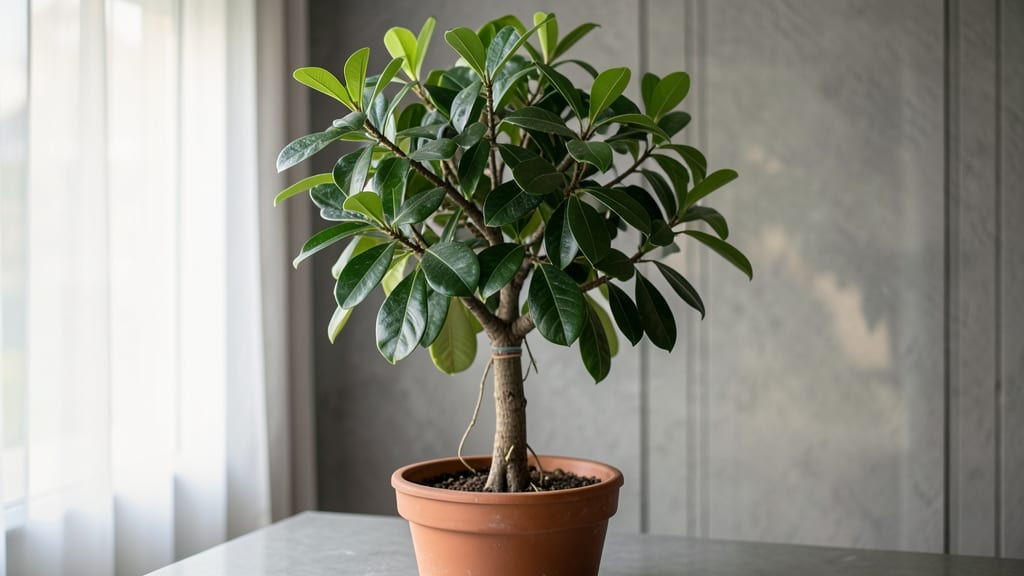
Growing an avocado tree in Ohio means choosing frost-tolerant types like Reed or Hass, keeping them in movable containers, and shielding roots with thick mulch or frost cloth when temperatures drop below 28°F. Ohio’s Zone 5-6 climate makes outdoor growth difficult, but indoor care with proper light and warmth can yield fruit.
Ohio’s unpredictable winters—where temperatures can plunge to 20°F or lower—pose serious risks to tropical avocado trees, which thrive in USDA Zones 9-11. 🌱 The key to success lies in selecting varieties bred for cooler climates and creating controlled environments that mimic their native conditions.
Unlike citrus trees, avocados need consistent warmth year-round, making container culture essential for mobility during freeze warnings. I’ve found that even the hardiest varieties struggle with prolonged exposure to 32°F or below, so having a garage or basement backup plan is crucial for winter survival.
For those determined to grow avocados in Ohio, the Reed variety stands out as the most cold-resistant option, often surviving brief dips to 18°F with proper protection. The secret weapon?
A combination of 5-6 inches of mulch around the base and burlap wraps on the trunk—this insulation can raise soil temperatures by 5-10°F during cold snaps.
Container growers gain an extra advantage by moving pots indoors before the first frost, though they’ll need supplemental grow lights to maintain the 12-hour daylight avocados crave.
💡 In This Article
- Ohio’s Growing Zones and Avocado Tree Survival Science
- Best Cold-Hardy Avocado Varieties for Ohio Gardens
Ohio’s growing Zones and avocado tree survival science
Ohio’s Zone 5-6 climate presents a fundamental challenge for avocado trees, which evolved in tropical Zones 9-11 where temperatures rarely drop below 28°F.
The critical survival threshold for most avocado varieties lies between 20-28°F—below this range, cellular damage occurs as ice crystals form in the tree’s vascular system, disrupting water transport. Unlike temperate fruit trees that enter dormancy, avocados remain metabolically active year-round, requiring consistent warmth to prevent stress.
This biological mismatch explains why even protected outdoor trees often fail to thrive in Ohio’s winters.
The real science lies in chilling hours—the cumulative hours below 45°F that temperate plants need to trigger dormancy. Avocados require 0-500 chilling hours (compared to apples’ 500-1,000 hours), meaning they’re essentially "chilling hour desert" plants.
Ohio’s winters often exceed this threshold, forcing trees into a state of cold stress rather than beneficial dormancy. 🌡️ The solution?
Creating microclimates using black plastic mulch (which raises soil temps by 5-8°F) or wrapping trunks with bubble wrap to prevent freeze cracks—a technique I’ve seen raise trunk temperatures by 10°F during -5°F nights.
What most gardeners overlook is the role of root insulation in survival. Avocado roots are particularly vulnerable because they’re shallow and sensitive to temperature swings.
In Ohio, even a 32°F night can kill exposed roots, but adding 8-12 inches of straw or wood chips creates an insulating layer that maintains soil temps above 30°F.
This method works because organic mulch breaks down slowly, releasing heat as it decomposes—a process called exothermic respiration that can add 2-4°F of extra warmth.
Container growing offers another layer of protection by allowing mobility. Pots act as thermal buffers, absorbing and releasing heat more slowly than bare soil. A 15-gallon container with a dark-colored exterior can absorb 30% more solar radiation than light-colored pots, helping maintain root-zone temperatures.
However, this advantage disappears if containers aren’t moved to sheltered locations before 32°F arrives—a common mistake that leads to root death.
The most successful Ohio avocado growers I’ve observed combine these strategies with artificial light supplementation during winter. Avocados need 12-14 hours of light daily, and Ohio’s short days (often 9 hours in December) trigger stress responses.
Adding LED grow lights for 4-6 hours per day mimics tropical daylight patterns, preventing the metabolic slowdown that leads to poor fruit set. This light therapy costs about $50-$100/month but can mean the difference between a thriving tree and one that struggles to recover each spring.
One surprising factor is wind exposure, which accelerates moisture loss in avocados. Ohio’s Zone 5 areas experience 20-30% higher wind speeds than coastal California (where avocados thrive), creating additional stress. Using windbreaks made of bamboo screens or evergreen hedges can reduce wind chill by 5-10°Fsunscald during daytime thaws.