
Blooming
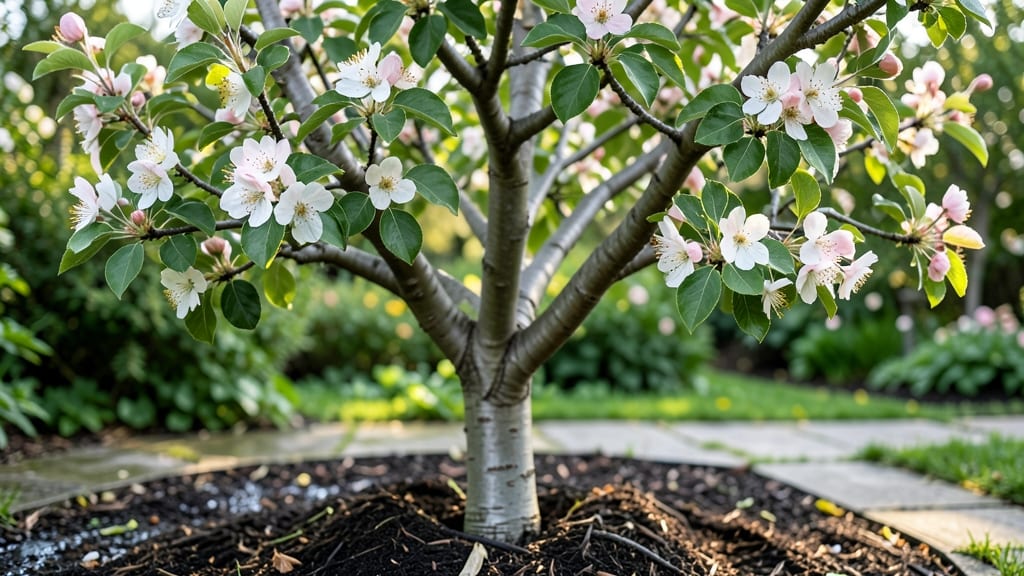
Asian pear trees bloom in late spring, when those delicate pink blossoms transform your yard into a dreamy, fragrant wonderland. 🌸 I’ll never forget the first time I saw my tree explode with color—it felt like spring had finally arrived for good.
The timing depends on your climate, but most varieties burst into bloom between late April and early June, just as the air warms but before the heat sets in.
Those blossoms aren’t just pretty—they’re the promise of fruit to come. The more flowers you see, the bigger your harvest later in the season. But here’s the catch: Asian pears need cross-pollination from another variety to set fruit, so planting two trees (or one self-pollinating type) is key.
Pruning in late winter helps too—focus on opening the canopy to let sunlight reach the center branches, where most blooms form.
To keep those pink clouds coming back year after year, feed your tree in early spring with a balanced fertilizer (10-10-10 works well) and water deeply during bloom time. Avoid heavy pruning after flowering, as new growth needs energy to develop next season’s blossoms.
With the right care, your tree will reward you with weeks of stunning blooms and a bounty of crisp, honey-sweet pears by fall.
If you’re in a warmer climate, blooms might arrive earlier, while cooler zones could see them linger into June. Either way, the show is worth the wait—and the fruit? Even better. Let’s make sure your tree puts on its best performance next spring.
📚 In This Guide
- What you need
- Instructions
- Tips and common mistakes
- Wrapping up and next steps
What you need
- ● Asian pear tree sapling: 1 standard-bred Pyrus pyrifolia (e.g., 'Kosui,' 'Niitaka,' or 'Hosui')
- ● Size: 1-3 years old (bare-root or container-grown)
- ● Hardiness zone: 5-9 (check local climate compatibility!)
- ● Planting site: Full sun exposure (6+ hours/day)
- ● Well-draining soil (amend with compost if needed)
- ● Space: 20-30 ft apart (or 15 ft for dwarf varieties)
- ● Soil prep: 10 lbs organic compost or aged manure
- ● 1 lb slow-release fertilizer (10-10-10 ratio)
- ● Garden lime (if soil pH < 6.5; test kit recommended)
- ● Tools: Shovel or trowel
- ● Garden gloves
- ● Watering can or hose (with gentle nozzle)
- ● Pruning shears (sterilized)
- ● Mulch (2-3 inches of wood chips or straw)
- ● Drip irrigation system (for consistent moisture)
- ● Tree guard or fence (to protect young trees from critters)
- ● Pollination-friendly plants (e.g., lavender or bee balm nearby)
- ● Bloom-boosting additives (e.g., Epsom salt or seaweed extract in early spring)
How to maximize your Asian pear tree’s stunning spring bloom
Here’s how to coax those delicate pink blossoms into their fullest glory every year.
🌱 Step 1: Prune for Airflow and Light in Late Winter
Start your bloom prep 4-6 weeks before the last frost date. Use clean, sharp pruners to remove dead, crossing, or inward-growing branches—these block sunlight and airflow, which weakens flowering. Cut just outside the branch collar where limbs meet the trunk; this prevents unsightly stubs and promotes faster healing.
Thin the canopy by 20-30% to let light reach the center. You’ll see more buds form where sunlight hits the branches. Avoid heavy pruning now—this stresses the tree and delays bloom. Instead, focus on shaping for balance. If your tree has water sprouts (thin, fast-growing shoots), remove them entirely—they drain energy from flowering.
☀️ Step 2: Feed and Water for Bud Development
Apply a balanced 10-10-10 fertilizer (using the 1 cup per inch of trunk diameter rule) in early spring, just as buds swell. Asian pears respond best to light, frequent feedings rather than one heavy dose. Water deeply once a week until the soil is 6 inches moist—drought stress causes buds to drop before opening.
Mulch the base with 3 inches of organic mulch (like wood chips) to retain moisture and regulate soil temperature. Keep mulch 6 inches away from the trunk to prevent rot. You’ll notice fewer brown buds and more vibrant pink clusters if the soil stays consistently moist but not soggy.
⏰ Step 3: Monitor for Pests and Disease Before Blooms Open
Inspect branches for scale insects, aphids, or mites—these suck sap and weaken buds. Spray with neem oil (mixed at 1 tablespoon per gallon of water) if you spot sticky residue (honeydew) or tiny crawling pests. Apply in early morning to avoid harming bees that pollinate the blossoms.
Watch for fire blight (blackened, oozing branches) or powdery mildew (white fuzzy patches). Prune infected branches 6 inches below the damage and sterilize tools with 70% rubbing alcohol between cuts. Healthy buds open fully, while stressed ones may stay small or drop early.
🌿 Step 4: Support Pollinators During Bloom Time
Asian pears rely on bees and butterflies for cross-pollination. Plant early-blooming companions like dwarf lilacs or crabapples nearby to attract pollinators. Avoid pesticides during bloom—even "organic" sprays can harm beneficial insects. If your tree is isolated, hand-pollinate by gently shaking branches on calm, dry days when bees are active.
Water lightly every 3-4 days during bloom to keep petals vibrant. Overwatering now can cause buds to rot, but wilting petals signal thirst. You’ll see fuller clusters and fewer sparse blooms if pollinators visit regularly.
✂️ Step 5: Lightly Prune After Blooming to Encourage Next Year’s Flowers
Once blossoms fade, remove spent flowers (deadhead) to redirect energy to fruit development. Prune only to shape—avoid heavy cuts now, as this reduces next year’s bloom potential. Thin suckers (shoots at the base) and water sprouts again, as these compete with flowering branches.
Fertilize lightly with half-strength fertilizer in early summer to support fruit growth. Asian pears produce more buds on mature wood, so avoid aggressive pruning. By next winter, you’ll have a stronger framework for even more dramatic spring blooms.
Tips & tricks for maximizing Asian pear tree blooms
Real talk: Those stunning pink blossoms don’t happen by accident—they take a little extra care. Here’s how to turn your Asian pear tree into a springtime showstopper.
Pruning Precision: When you’re thinning the canopy by 20-30% in Step 1, focus on branches that are growing inward or crossing—these are the real culprits blocking sunlight. I learned this the hard way after watching buds fail to develop on shaded branches. Use a sharp pruner to make clean cuts just outside the branch collar (that’s the swollen area where the branch meets the trunk). This simple technique prevents disease entry points and promotes faster healing, so your tree recovers quicker for next year’s blooms.
Fertilizer Timing: The 10-10-10 fertilizer application in Step 2 is crucial, but here’s what nobody tells you—apply it when you see buds starting to swell, not when they’re still tight. This timing ensures the nutrients go straight to bud development rather than getting absorbed too early. For larger trees, split the fertilizer into two applications: half when buds swell and half again in 4-6 weeks. And always water it in immediately to prevent root burn.
Pest Prevention: In Step 3, when you’re checking for pests, don’t forget to inspect the undersides of leaves—aphids and mites love to hide there. I’ve seen entire bud clusters fail because of undetected infestations. If you find pests, spray with neem oil in the early morning as instructed, but add a drop of dish soap (1 teaspoon per gallon) to help the solution stick better. This extra step makes a huge difference in keeping your blossoms healthy and vibrant.
Pollinator Partnership: For Step 4, planting early-blooming companions like dwarf lilacs isn’t just about attracting bees—it’s about creating a pollinator highway. Place these companion plants within 10-15 feet of your Asian pear tree. The more pollinators you attract, the better your fruit set will be. And if you’re hand-pollinating, do it on dry, calm days when bees are already active—this gives them the best chance to pick up pollen from other trees in your area.
Pro Tips for Asian Pear Tree Bloom
- Real talk: Those stunning pink blossoms don’t happen by accident—they take a little extra care.
- Pruning Precision: When you’re thinning the canopy by 20-30% in Step 1, focus on branches that are growing inward or crossing—these are the real culprits blocking sunlight.
- Fertilizer Timing: The 10-10-10 fertilizer application in Step 2 is crucial, but here’s what nobody tells you—apply it when you see buds starting to swell, not when they’re still tight.
Frequently asked questions
Got questions about Asian pear tree blooms? You’re not alone! Here are some of the most common queries—plus quick, practical answers to help you make the most of this stunning spring spectacle.
When do Asian pear trees typically bloom?
Asian pear trees (Pyrus pyrifolia) usually bloom in late spring, around April to early May, depending on your climate. Cooler regions may see blooms slightly later, while warmer areas could enjoy earlier flowers. The timing often aligns with cherry blossoms but lasts about 1–2 weeks—so mark your calendar!
How can I encourage bigger or longer-lasting blooms?
For vibrant, abundant blooms, prioritize:
- Sunlight: Plant in a spot with full sun (6+ hours daily).
- Pruning: Trim in late winter to remove dead wood and open the canopy for better airflow.
- Fertilizer: Use a balanced, citrus-free fertilizer in early spring (avoid high-nitrogen—it promotes leaves over flowers).
- Watering: Keep soil consistently moist during bloom season but avoid soggy roots.
Why aren’t my Asian pear tree flowers turning into fruit?
If blooms appear but no fruit follows, check these common culprits:
- Pollination issues: Asian pears often need cross-pollination (plant two compatible varieties nearby) or rely on bees. If your area lacks pollinators, hand-pollinate with a soft brush.
- Late frost: Blooms damaged by frost (<32°F) won’t set fruit. Use frost cloth if frost is a risk in your zone.
- Nutrient deficiency: Yellow leaves or weak growth? Test soil for low phosphorus or potassium—critical for fruiting.
Can I prune my Asian pear tree during bloom?
Pruning while blooming isn’t ideal, but light maintenance is okay if you must. Focus on:
- Removing dead or diseased branches (use sterilized tools).
- Avoid heavy pruning—wait until after fruiting (late summer/early fall) for major shaping.
What’s the best alternative if I can’t grow an Asian pear tree?
If space, climate, or care demands are a challenge, consider these low-maintenance bloomers with similar pink beauty:
- Japanese Flowering Cherry (Prunus serrulata): Stunning spring blooms, slightly smaller than Asian pears.
- Crabapple (Malus spp.): Disease-resistant, produces small fruit and flowers.
- Ornamental Pear (Pyrus calleryana): Hardy, fast-growing, with fragrant blooms.
- Hawthorn (Crataegus spp.): Thrives in partial shade, attracts pollinators.
Wrapping up and next steps
The Asian pear tree bloom is a breathtaking spectacle that transforms gardens into dreamy pink canvases each spring. Whether you’re admiring their delicate beauty or planning to cultivate your own, these blossoms remind us of nature’s fleeting yet magical moments.
Ready to embrace this seasonal wonder? Start by sketching your garden layout or researching local nurseries to bring home your own fragrant pink treasure! 🌸