
Pruning
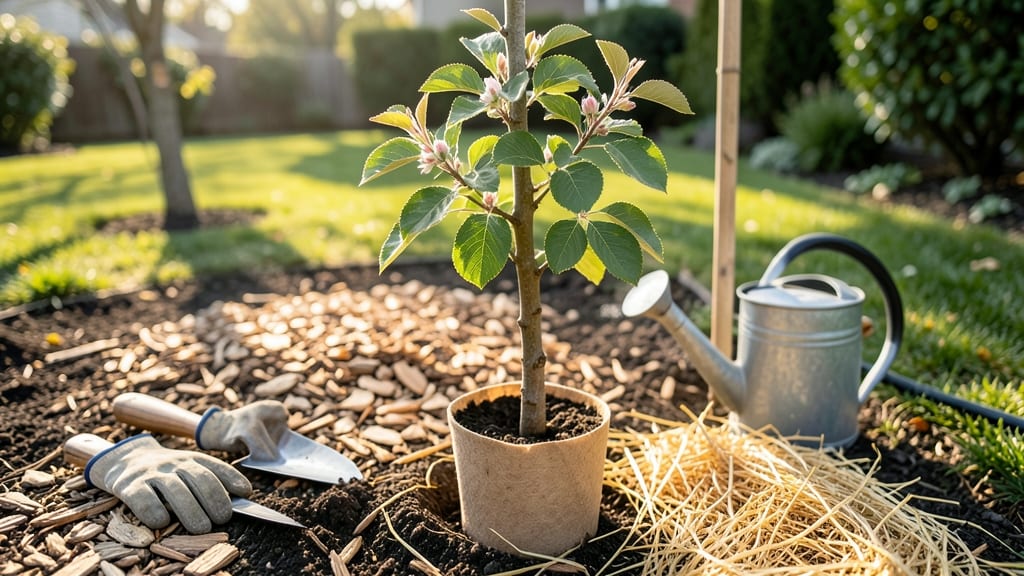
Caring for apple tree seedlings transforms a tiny seed into a future orchard. 🌱 The first 5 stages—from germination to canopy—set the foundation for a tree that could bear fruit for decades.
I’ve watched my own seedlings go from delicate sprouts to sturdy saplings, and the key is understanding each phase’s unique needs. You’ll need well-draining soil, a sunny spot with at least 6 hours of light daily, and patience for slow but steady growth.
Pruning young branches early prevents tangled canopies later, while consistent watering (about 1 inch per week) keeps roots strong. The biggest mistake? Overwatering or neglecting pests like aphids—both can derail even the healthiest start.
By year 3, you’ll see the tree’s natural shape emerge, with branches forming a strong framework. Proper spacing (15–20 feet between trees) ensures airflow and reduces disease risk. The payoff? A tree that grows stronger each season, with fewer structural issues and better fruit production down the line.
This method works for both backyard orchards and container-growing in small spaces. Whether you’re starting from seed or transplanting a young tree, these stages keep your apple tree on track for long-term success.
📚 In This Guide
- What you need
- Instructions
- Tips and common mistakes
- Wrapping up and next steps
What you need
- ● Apple seeds: 5–10 viable seeds (harvested from organic, disease-free apples for best results). Pro tip: 💡 Store seeds in a cool, dry place until planting!
- ● Seed-starting mix: 2–3 gallons of sterile, well-draining potting soil (look for a blend labeled for seedlings or seed-starting).
- ● Containers: Small pots (3–4 inches deep) for germination, 5–10 units (one per seed).
- ● Larger pots (5–7 inches deep) for transplanting, 2–3 units (once seedlings sprout).
- ● Watering can or spray bottle: With a fine mist nozzle for gentle hydration.
- ● Grow lights or sunny windowsill: A full-spectrum LED grow light (12–16 hours/day) or a south-facing window with 6+ hours of sunlight.
- ● Small hand trowel: For planting and transplanting delicate seedlings.
- ● Pruning shears: Sharp, sterilized shears (for future pruning stages—Stage 3: Early Growth and beyond).
- ○ pH testing kit: Optional but helpful to ensure soil pH is 6.0–7.0 (apple seedlings prefer slightly acidic soil).
- ● Fertilizer: Seedling starter fertilizer (balanced 10-10-10 or 5-5-5 NPK ratio).
- ● Organic compost (for transplanting into larger pots or garden beds).
- ● Mulch: Shredded bark or straw (to retain moisture and suppress weeds—Stage 4: Establishment).
- ● Humidity dome or plastic wrap: To create a mini greenhouse effect during germination.
- ● Heat mat: For faster germination (set to 70–75°F).
- ● Label maker: To track seedling varieties and planting dates.
- ● Tree collar protector: A plastic guard to shield young trunks from pests (e.g., voles or rabbits).
Step-by-step apple tree seedling care: from germination to strong canopy
Here's how to nurture young apple trees through their most vulnerable stages—where proper care determines whether they thrive or fail.
🌱 Step 1: Establish Proper Moisture During Germination
The first 30 days are critical. Keep the soil consistently moist but never soggy—think of a wrung-out sponge. I use a moisture meter to track 40-50% soil moisture during this phase. Overwatering smothers roots, while dryness stunts growth. Place the seedling in a shaded outdoor spot (morning sun only) where temperatures stay between 60-75°F. You'll see the first true leaves emerge in 4-6 weeks—this is your signal to adjust care.
Mulch lightly with 2-3 inches of wood chips to retain moisture and prevent soil temperature swings. Avoid piling mulch against the trunk—keep it 2 inches away to prevent rot. Water deeply twice weekly until the top 4 inches of soil feel damp. Watch for wilting leaves; if they droop by midday, increase watering frequency slightly.
🌿 Step 2: Transition to Sunlight and Fertilization
Once the seedling reaches 12 inches tall, gradually introduce it to full sun over 10-14 days. Start with 4 hours of morning sun, then increase by 1 hour daily. Sudden exposure causes sunburn—you'll spot it as pale, crispy patches on leaves. Harden off seedlings by moving them to a sheltered outdoor location during the day, bringing them back inside at night until nighttime temperatures stay above 50°F.
Apply a balanced 10-10-10 fertilizer at ¼ strength once leaves appear. I use a slow-release granular formula to avoid root burn. Fertilize again in 8 weeks, this time at ½ strength. Prune any leggy growth by cutting back to the last set of healthy leaves—this encourages bushier, stronger branching. You'll notice new side shoots forming within 3-4 weeks after pruning.
☀️ Step 3: Develop a Strong Canopy Structure
By year two, focus on scaffold branch training. Select 3-4 primary branches spaced evenly around the trunk—these will form your tree's skeleton. Use soft pruning ties to gently guide branches into a V-shaped structure. Remove any branches growing inward or crossing others; these compete for sunlight and nutrients. Prune in late winter or early spring before buds swell, using clean, sharp shears to avoid tearing bark.
Thin out water sprouts (fast-growing vertical shoots) immediately—they drain energy from your scaffold branches. I also remove any suckers growing from the base, as they divert resources from canopy development. Maintain 6-8 hours of direct sunlight daily now; young apple trees need this to build energy reserves for flowering. You'll see the first silver-tipped buds forming in late winter—this is your cue that the tree is maturing.
✂️ Step 4: Refine Pruning for Fruit Production
When the tree reaches 4-5 feet tall, shift focus to fruitwood development. Prune to create an open-center form with a central leader. Remove dead, diseased, or weak branches first—these are easy to spot as they lack leaves or have dark, shriveled wood. Then cut back last year's growth by one-third to encourage new fruiting spurs. Make cuts just above an outward-facing bud to promote horizontal branching.
Apply dormant oil spray in late winter to prevent pests like aphids and mites from overwintering. Thin fruits in early summer to 6-8 inches apart—this ensures larger, higher-quality apples. You'll know it's working when you see small green apples forming by mid-June. Water deeply once weekly during dry spells, focusing on the root zone rather than wetting leaves to prevent fungal diseases.
🪴 Step 5: Protect and Prepare for Long-Term Growth
By year three, your seedling should have a well-defined canopy. Install a tree guard to protect the trunk from rodents and deer—these are the most common threats to young apple trees. Wrap the guard loosely around the trunk, leaving 1 inch of space for air circulation. In late fall, apply 4-5 inches of mulch around the base, extending it 12 inches outward but keeping it clear of the trunk.
Monitor for fire blight (blackened, oozing branches) and apple scab (purple-brown spots on leaves). Treat with copper fungicide at the first sign of disease. Prune out infected branches 6 inches below the damage to prevent spread. Over winter, keep the soil slightly moist but not saturated—apple trees are surprisingly drought-tolerant once established. You'll see full bloom in 4-5 years, but proper care now ensures a strong, productive tree for decades.
Tips & tricks for perfect apple tree seedling development
Between us, the early months with young apple trees can make or break your orchard dreams. These are the details that separate a thriving tree from one that struggles—and I've learned them the hard way after watching seedlings fail.
Soil Moisture Precision: During those first 30 days, I can't stress enough how critical it is to maintain that 40-50% soil moisture range. I've ruined seedlings by both overwatering (which causes root rot) and underwatering (which leads to stunted growth). Use your finger as a quick test—push it 2 inches into the soil. If it comes out dry, water immediately. If it feels soggy, wait another day. The goal is consistent moisture without waterlogging.
Sunlight Transition Strategy: When moving your 12-inch seedling to full sun over 10-14 days, I recommend starting with just 2 hours of morning sun on day one rather than the full 4 hours. This gradual approach prevents sunburn, which shows up as crispy white patches on leaves. I've seen trees develop these scars when moved too quickly, and while they don't always kill the plant, they do create weak points where diseases can enter.
Pruning Timing: The late winter/early spring pruning window is non-negotiable for scaffold branch development. I've made the mistake of pruning too late in spring when buds are already swelling—this leads to excessive bleeding from the cuts and weak regrowth. Mark your calendar for when nighttime temperatures consistently stay above 40°F, as this is your safe zone for pruning. And always use clean, sharp shears—dull tools crush branches instead of making clean cuts.
Disease Prevention: That dormant oil spray in late winter isn't just about aesthetics—it's your first line of defense against overwintering pests. I apply it in early February when temperatures are above freezing but before buds begin to swell. The key is thorough coverage of all branches and the trunk. For fire blight prevention, I also recommend pruning out any infected branches 6 inches below the visible damage during dry conditions—this reduces bacterial spread through rain splatter.
Pro Tips for Apple Tree Seedling Care
- Between us, the early months with young apple trees can make or break your orchard dreams.
- Soil Moisture Precision: During those first 30 days, I can't stress enough how critical it is to maintain that 40-50% soil moisture range.
- Sunlight Transition Strategy: When moving your 12-inch seedling to full sun over 10-14 days, I recommend starting with just 2 hours of morning sun on day one rather than the full 4 hours.
Frequently asked questions
Got questions about nurturing your apple tree seedling from a tiny sprout to a thriving orchard star? You’re not alone! Here are the answers to the most common queries—so you can grow with confidence.
How long does it take for an apple seed to germinate?
Apple seeds can take anywhere from 2 to 6 weeks to sprout, depending on temperature (ideal: 60–75°F) and moisture. Patience is key—some seeds may even take 2–3 months if conditions aren’t perfect. Keep the soil consistently damp (not soggy) and warm to speed things up!
Can I plant an apple seedling outside right away, or should I start indoors?
For best results, start seeds indoors 8–12 weeks before your last frost date—this gives them a head start. Seedlings are delicate and need protection from harsh weather. If you’re in a mild climate (Zone 7+), you can direct-sow in early spring, but indoor germination ensures stronger, healthier starts.
Will my homegrown apple tree produce fruit like the grocery store variety?
Probably not! Most store-bought apples are grafted hybrids for consistent flavor and yield. Seedlings grow into wild-type trees with small, tart fruit (if any). For edible apples, buy a grafted sapling from a nursery or rootstock a named variety onto your seedling later.
Why are my seedling leaves turning yellow or curling?
Yellow leaves often signal overwatering or nutrient deficiency (like nitrogen). Curling could mean pests (aphids, mites) or stress (drought, wind). Check soil moisture, inspect undersides of leaves, and fertilize lightly with a balanced 10-10-10 mix if needed. Act fast—seedlings are vulnerable!
Do I need to prune my apple seedling right away?
Not yet! Wait until your seedling has 3–5 main branches (usually after the first growing season). Prune to shape the canopy and remove dead or crossing branches. Use clean, sharp shears and sterilize them with rubbing alcohol to prevent disease. Less is more—avoid over-pruning.
What’s the best temperature for growing apple seedlings?
Seedlings thrive in 60–80°F during the day and 50–60°F at night. Avoid extreme heat (above 90°F) or frost (below 28°F), which can stunt growth or kill young plants. If temperatures drop, use row covers or a cold frame for protection until roots are established.
Wrapping up and next steps
Caring for an apple tree seedling is a rewarding journey that blends patience, passion, and a touch of green-thumb magic! 🌱 From nurturing germination to shaping a thriving canopy, each stage builds the foundation for a future orchard star.
With the right tools, knowledge, and a little love, your seedling will grow into a magnificent tree—ready to bear fruit for years to come.
Now that you’re equipped with the essentials, take the first step: plant your seedling in well-draining soil, give it a cozy spot with sunlight, and watch it flourish. Happy growing—your orchard adventure starts today! 🍏✨