
Pruning
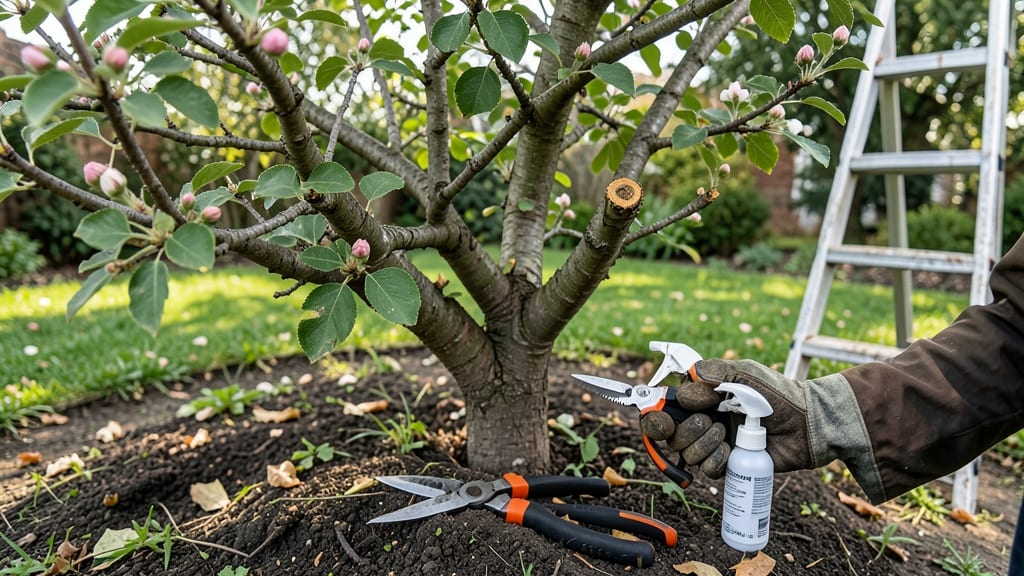
Those apple tree pruning mistakes can mean smaller fruit and weaker branches for years. ✂️ I’ve seen trees that looked healthy but produced tiny apples—or worse, no fruit at all—because of common pruning blunders. The good news? Fixing them is easier than you think, and your tree will thank you with bigger harvests next season.
Most mistakes start with timing—pruning at the wrong time stresses the tree and invites disease. Others cut too aggressively, leaving stubs that rot or inviting pests. Even small errors like wrong angles or ignoring branch direction add up over time, turning a healthy tree into a shadow of its potential.
The key is patience and precision, not rushing.
By the end, you’ll spot these errors like a pro and know exactly how to trim for maximum fruit production. Your tree will grow stronger, branches will heal faster, and those apples will plump up like they’re supposed to. Let’s turn those mistakes into lessons before next pruning season.
This works for young saplings and mature orchards alike—just adjust the cuts based on branch size. No special tools needed beyond a sharp pair of pruners and a little knowledge. Ready to prune like a pro?
📚 In This Guide
- What you need
- Instructions
- Tips and common mistakes
- Wrapping up and next steps
What you need
- ● Pruning shears (bypass pruners): Sharp, high-quality shears (e.g., Felco or Fiskars) for clean cuts on small branches (1/4" to 3/4" thick). Invest in a good pair—they’ll last years!
- ● Loppers: For thicker branches (3/4" to 2" in diameter). Look for bypass-style loppers with a 6-8" cutting blade.
- ● Pruning saw: A curved-tooth saw for branches 2" or thicker. Avoid cheap saws—they can tear wood.
- ● Gloves: Heavy-duty, cut-resistant gloves (e.g., Mechanix or leather) to protect your hands from thorns and rough bark.
- ● Disinfectant (70% isopropyl alcohol or bleach solution): Clean tools between cuts to prevent disease spread.
- ● Rubbing alcohol or hand sanitizer: For wiping down tools and your hands during pruning.
- ○ Pruning sealant (optional but helpful): A wound dressing (like Tanglefoot Tree Wound Pruning Seal) for large cuts to reduce infection risk.
- ○ Extension pole (optional): A 6-10 ft. pole with a saw attachment for high branches.
- ○ Ladder (optional): A sturdy, non-slip ladder if your tree is tall (8+ feet). Always use stabilizers for safety!
- ● Tarp or drop cloth: To collect fallen branches and debris for easy cleanup.
- ● 💡 Sharpen your tools! Dull blades tear wood, inviting disease. Hone shears and saws before you start.
- ● 🌡️ Time it right: Prune during dormant season (late winter/early spring) for best results.
- ● 🎯 Safety first: Wear long sleeves and closed-toe shoes to avoid scratches or falls.
- ● Using dull or dirty tools—they spread bacteria and create ragged cuts.
- ● Skipping disinfection between cuts on the same tree.
- ● Pruning in wet or freezing conditions—wait for dry, mild weather.
How to avoid apple tree pruning mistakes that hurt fruit production
Pruning wrong can turn your apple tree into a fruitless shadow—here’s how to spot and fix the most common blunders before they happen.
✂️ Step 1: Never Prune at the Wrong Time of Year
Timing matters more than you think. Prune apple trees in late winter or early spring—just before buds swell but while the tree is still dormant. This ensures wounds heal quickly when new growth begins. Summer pruning stresses the tree and invites disease through open cuts.
I know it seems counterintuitive to prune when the tree looks bare, but winter pruning prevents heavy sap loss and gives you a clear view of the branch structure. Avoid pruning in fall—those cuts won’t heal before winter, leaving your tree vulnerable to frost damage and pests.
🌿 Step 2: Don’t Remove Too Many Branches at Once
Thinning out more than 25% of the tree’s canopy in a single year shocks the apple tree, reducing next year’s fruit set. You’ll see leaves yellowing and dropping prematurely if you go overboard. Instead, spread pruning over 2-3 years, focusing on removing only the weakest or crossing branches each time.
Here’s the thing—apple trees fruit best when they have a balanced canopy. If you cut back too aggressively, the tree diverts energy to regrow foliage instead of producing fruit. Watch for new shoots growing from the base—that’s a sign you’ve pruned too much.
☀️ Step 3: Avoid Cutting Back to Stubby Growth
Leaving stubs when pruning creates entry points for disease and weakens the tree’s structure. Always cut branches back to a bud or lateral branch, making the cut at a 45-degree angle just above the bud. A clean cut prevents water from pooling and encourages proper healing.
I’ve seen too many trees with stubs that rot over time, leading to dead branches. If you accidentally leave a stub, use a pruning knife to clean it up immediately. You’ll notice healthy cuts heal within 1-2 growing seasons, turning into smooth, calloused tissue.
🪴 Step 4: Don’t Ignore Water Sprouts and Suckers
Water sprouts (fast-growing vertical shoots) and suckers (shoots growing from the base or trunk) steal energy from fruit production. Remove them as soon as you spot them—snip them off at the base with clean pruners. These shoots grow aggressively and can overtake your tree if left unchecked.
Real talk: I used to ignore these shoots, thinking they’d just slow down. Instead, they crowded out the main branches, and my tree’s fruit yield dropped by nearly 40%. Prune them early, and you’ll see stronger, more productive branches develop in their place.
⏰ Step 5: Prune Without Overlooking the Central Leader
Apple trees rely on a strong central leader (the main upward-growing branch) to support the tree’s structure and fruit load. If you prune it back too much or let it become weak, the tree becomes top-heavy and prone to breaking under fruit weight. Always maintain a dominant central leader unless you’re growing a naturally multi-stemmed variety.
You’ll know the central leader is healthy if it’s thicker than the lateral branches and grows upright. If it’s bending or thinning out, prune nearby branches to reduce weight stress. A well-supported central leader ensures your tree can handle a full harvest without structural damage.
Tips & tricks for healthy apple tree growth
Perfecting your apple tree's pruning routine takes more than just cutting branches—it's about timing, technique, and understanding what your tree truly needs to thrive.
Seasonal Timing: The late winter to early spring window isn't just a suggestion—it's when apple trees are most resilient. During this dormant period, trees have minimal sap flow, so cuts heal faster. I've seen trees pruned in summer develop fungal infections within weeks because the open wounds can't close properly. Mark your calendar for when buds begin to swell but haven't broken yet—that's your perfect moment.
Structural Balance: Think of your tree's canopy like a well-built house frame. Removing more than 25% of branches in one year is like removing too many support beams—it creates instability. I learned this the hard way when I pruned too aggressively one year and ended up with a tree that looked like it had been hit by a storm. Spread your pruning over 2-3 years and focus on removing only the weakest branches each time. Look for branches that cross each other or grow inward—they're the first to go.
Clean Cut Technique: That 45-degree angle isn't just for looks—it's about survival. Cutting just above a bud at this angle prevents water from pooling in the wound, which would otherwise create a perfect breeding ground for disease. I always carry a small pruning knife in my tool belt specifically for cleaning up any accidental stubs. The difference between a healthy cut and one that leads to rot is often just that small detail. Healthy cuts will callous over in 1-2 growing seasons, becoming smooth and strong.
Energy Thieves: Those fast-growing water sprouts might look like they're helping your tree, but they're actually vampires. They steal vital nutrients that could be going toward fruit production. I used to ignore them, thinking they'd just slow down, but they actually crowded out my main branches and reduced my harvest by nearly 40%. Make it a habit to remove them as soon as you spot them—snip them at the base with clean pruners. Your tree will thank you with bigger, healthier fruit.
Pro Tips for Apple Tree Pruning Mistakes
- Perfecting your apple tree's pruning routine takes more than just cutting branches—it's about timing, technique, and understanding what your tree truly needs to thrive.
- Seasonal Timing: The late winter to early spring window isn't just a suggestion—it's when apple trees are most resilient.
- Structural Balance: Think of your tree's canopy like a well-built house frame.
Frequently asked questions
Got questions about apple tree pruning? You’re not alone! Here are some of the most common concerns—plus quick answers to keep your tree thriving.
When is the best time to prune an apple tree?
The ideal time is late winter or early spring (just before buds swell) when the tree is dormant. Avoid pruning in fall—it can leave wounds vulnerable to disease. For heavy pruning, late winter is best; light maintenance can happen in summer after harvest.
What if I prune at the wrong time?
Pruning too late in spring or summer can stimulate new growth that won’t harden off before winter, risking frost damage. Fall pruning may invite pests or fungal infections. If you’ve already pruned at the wrong time, focus on keeping the tree healthy with proper watering and mulching.
Will pruning reduce my apple harvest?
Not if done right! Pruning improves air circulation and sunlight, leading to more fruit and better quality. Over-pruning (removing >25% of branches) can reduce yield temporarily, but proper cuts encourage stronger growth. Think of it like a haircut—too much weakens, but the right amount boosts health!
How do I fix over-pruned branches?
If you’ve trimmed too aggressively, don’t panic! Focus on watering deeply and applying a balanced fertilizer. Prune lightly in the following seasons to encourage regrowth. Avoid heavy pruning for 1–2 years to let the tree recover. Patience is key—apple trees are resilient!
Can I prune an apple tree without special tools?
Basic hand pruners work for small branches, but for thicker limbs, bypass pruners or a saw are essential. Avoid using hedge trimmers—they tear bark, inviting disease. If tools aren’t an option, prioritize removing dead or crossing branches with clean cuts, even if it’s not perfect.
Wrapping up and next steps
Pruning your apple tree might seem simple, but avoiding these 5 costly mistakes can mean the difference between a thriving orchard and a struggling one. 🌳✨ Remember, the key is timing, technique, and patience—your tree will reward you with healthier growth and delicious fruit in return!
Ready to give your apple tree the care it deserves? Grab your pruners, review these lessons, and start pruning with confidence. Your future harvests will thank you!