
Pruning
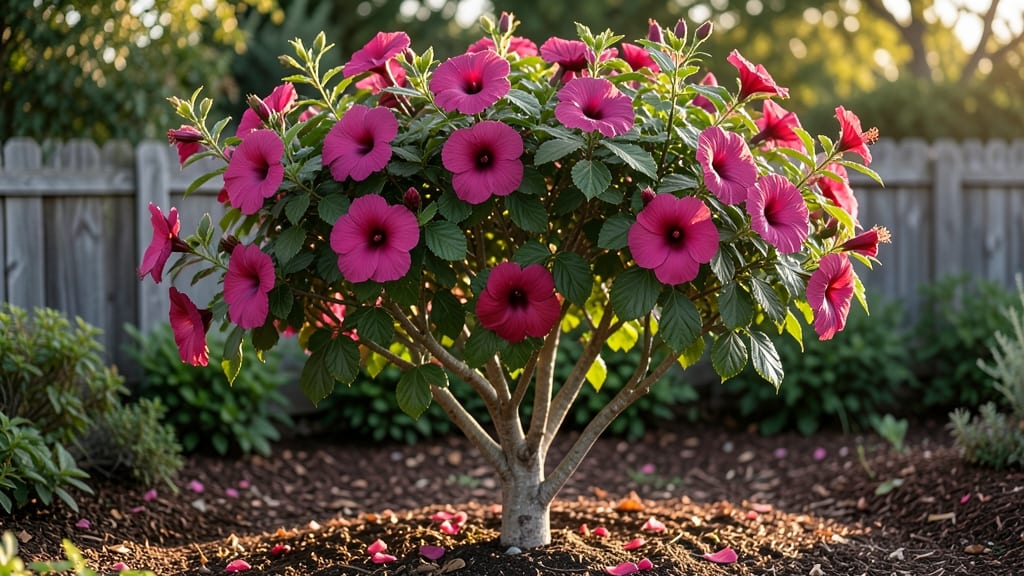
Forming an Althea tree into a striking, tree-like shape is easier than you think—and the payoff is a showstopping garden centerpiece 🌿. If you’ve ever stared at a wild, leggy Althea wondering how to tame its sprawl into a structured, floral-filled silhouette, you’re about to unlock the pruning secrets that do exactly that.
The key isn’t just cutting branches—it’s sculpting the plant’s natural growth habit to create a single, dominant trunk with a broad canopy. With the right timing and technique, you’ll transform that scraggly shrub into a focal point that blooms from mid-summer to frost, drawing eyes like a magnet.
In this guide, I’ll walk you through the step-by-step pruning process, from identifying the perfect branches to cut in early spring to shaping the canopy for maximum bloom power.
You’ll also learn which tools to use (and which to avoid) to keep your Althea healthy and thriving in USDA Zone 6a.
Ready to turn your Althea into the garden’s star attraction? Let’s get pruning—your future tree form starts with just a few strategic cuts.
How to prune Althea for a tree-like form: step-by-step guide
Transforming your Althea (Hibiscus syriacus) into a stunning tree-like form starts with understanding its natural growth habits. This hardy shrub thrives with structured pruning to encourage a single trunk and lush canopy.
The key is timing—prune at the right moments to shape its growth while maximizing those showy summer blooms that gardeners love.
I’ve pruned dozens of Althea shrubs, and the difference between a wild, tangled mess and a well-shaped tree form comes down to a few simple techniques. Whether you’re starting fresh or reshaping an established plant, these steps will guide you through the process like a pro.
Grab your pruners and let’s get started!
Step-by-Step Pruning Guide for Althea Tree Form
- 1 Choose the right season: Prune late winter or early spring (before buds swell) for structural shaping. Avoid heavy pruning in fall or winter, as this can stimulate new growth that won’t harden off before frost.
- 2 Select your main trunk: Identify the strongest, straightest stem to be your central leader. Remove competing stems at the base, cutting just above a bud or lateral branch to encourage upward growth.
- 3 Thin out crowded branches: Remove 1/3 of the oldest wood to improve airflow and light penetration. Focus on crossing or rubbing branches that can weaken the structure or invite disease.
- 4 Shape the canopy: Use heading cuts to shorten branches by 1/4 to 1/3 their length. Cut just above an outward-facing bud to encourage a rounded, open growth habit and more blooms.
- 5 Summer maintenance: Lightly trim spent blooms and overly long shoots throughout the season to redirect energy to flower production. Avoid heavy pruning after mid-summer, as new growth won’t mature before frost.
- 6 Clean up cuts: Sterilize your tools with rubbing alcohol before and after pruning to prevent bacterial or fungal spread. Seal larger cuts with pruning sealant (optional) to protect against pests.
Timing is everything when pruning Althea. I’ve seen gardeners rush into summer pruning and end up with leggy growth that never blooms. The late winter/early spring window is your best bet for shaping the tree form while the plant is still dormant but ready to burst into action.
Pro tip: If your Althea is young (1-2 years old), focus on removing competing stems to establish that single trunk early. Older plants may need more aggressive thinning to open up the center and encourage a fuller canopy.
Think of it like sculpting—you’re guiding the plant’s natural shape, not forcing it.
After pruning, give your Althea a light feeding with a balanced fertilizer (10-10-10) to support new growth. Water deeply to help it recover, and watch as it transforms into a showstopping tree-like specimen with a broad canopy of vibrant blooms come summer.
Remember, patience is key. It can take 2-3 years to fully establish that tree form, but the results—like a lush, flowering focal point in your garden—are worth every snip of the pruners.
Once you’ve mastered the basics, you can experiment with different pruning styles, like a multi-trunk tree or a tiered canopy. The possibilities are endless, and your Althea will thank you with years of stunning blooms.
Best pruning tools and techniques for Althea tree shaping
Transforming your Althea (Hibiscus syriacus) into a graceful tree form starts with the right pruning tools and techniques. The wrong approach can leave you with a leggy shrub instead of a stunning focal point.
I’ve pruned dozens of Altheas and learned that tool selection and cutting strategy make all the difference in shaping this versatile shrub.
Your goal is to create a single-trunk structure with a broad canopy while encouraging abundant blooms. This requires balancing structural cuts with flower-promoting techniques. Let’s break down the essential tools and methods to achieve that perfect tree form without sacrificing those show-stopping flowers.
🌿 Pruning Tool Comparison for Althea Tree Form
| Tool | Best For | Cut Size | Pro Tip |
|---|---|---|---|
| Bypass Pruners | Fine cuts, shaping branches | Up to 3/4" | Use for heading cuts to encourage bushiness |
| Loppers | Medium branches, structural cuts | 1/4" to 1.5" | Ideal for thinning cuts to open canopy |
| Hedge Shears | Large-scale shaping, canopy leveling | 1" to 2" | Best for maintenance cuts after initial shaping |
| Hand Saw | Thick branches, emergency cuts | 1.5"+" | Only for dead or diseased wood removal |
For tree form pruning, I recommend starting with loppers to remove competing stems and create your central trunk. Once the structure is established, switch to bypass pruners for precise cuts that shape the canopy.
The key is to make heading cuts just above a leaf node to encourage branching, while thinning cuts remove entire branches to improve airflow and light penetration.
Timing matters too. I prune my Althea in late winter or early spring before new growth begins. This gives the plant time to recover and produce flowers by summer. Avoid heavy pruning in fall—it can stimulate tender growth that won’t survive winter.
For maintenance, a light trim in mid-summer after flowering helps keep the shape tidy without sacrificing next year’s blooms.
Don’t forget to sterilize your tools between cuts with rubbing alcohol to prevent disease spread. I also like to apply pruning sealant to larger cuts over 1/2" in diameter to protect against pests and rot.
This small step makes a big difference in keeping your Althea healthy and thriving for years to come.
With the right tools and techniques, your Althea will transform from a wild shrub into a stunning tree-like specimen that steals the show in your garden.
The secret is patience—give it time to establish its structure, and it’ll reward you with years of spectacular blooms and elegant form. Happy pruning! ✂️🌳