
Pruning
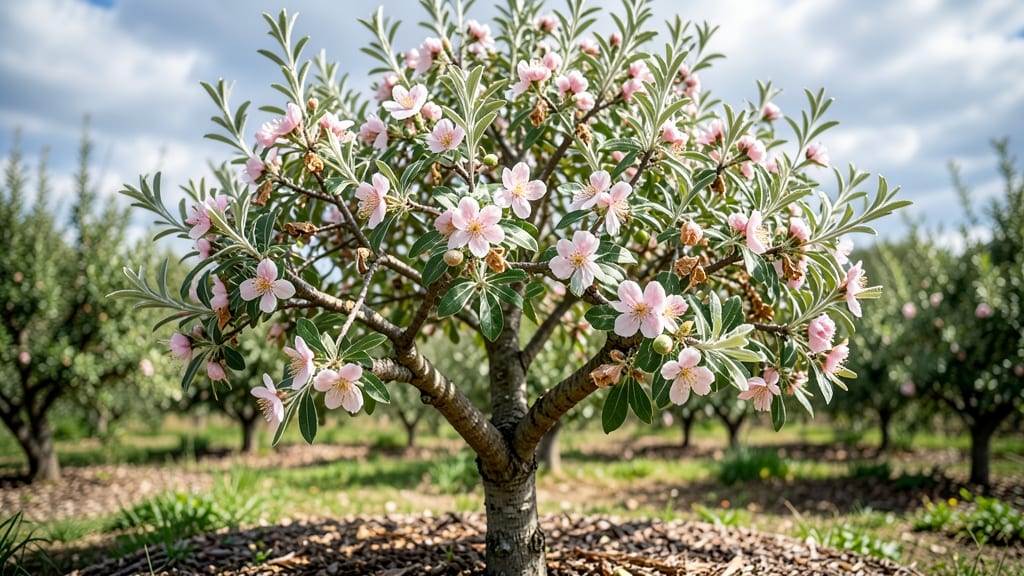
Most almond trees need a partner to produce nuts—but not all. 🌱 The key to self-pollinating almond varieties lies in their genetics, and choosing the right one could mean a harvest without the hassle of planting multiple trees.
I’ve grown both self-pollinating and cross-pollinating types, and the difference in effort (and nut yield) is staggering.
Self-pollinating almonds like 'Nonpareil' or 'Butte' produce nuts without relying on bees to transfer pollen from another tree. That said, they still benefit from pollinators for better yields—just not total dependence. The trade-off?
You’ll need to research varieties that thrive in your hardiness zone, as some self-pollinating types struggle in colder climates. Spacing matters too: even self-pollinating trees perform best when planted 15-20 feet apart for airflow and sunlight.
What you’ll get is a simpler orchard setup with fewer variables. No need to coordinate blooming times between trees or worry about bee shortages. Just plant, prune, and wait—though patience is key, as almonds take 3-5 years to bear fruit.
The nuts themselves are worth it: rich, buttery, and perfect for home harvests. For best results, pair self-pollinating trees with a few cross-pollinating types if possible—it’s like insurance for your harvest.
Common mistakes? Overcrowding trees or ignoring winter chilling hours. Almonds need 200-600 hours below 45°F annually to set buds properly. If you’re in a mild climate, choose low-chill varieties like 'Texas' or 'Carmel.' The payoff? A low-maintenance tree that still delivers a bounty of nuts year after year.
📚 In This Guide
- What you need
- Instructions
- Tips and common mistakes
- Wrapping up and next steps
What you need
- ● Self-pollinating almond tree varieties (e.g., Nonpareil, Carmel, or Mission—check local nurseries for disease-resistant options). 1-2 trees per small garden.
- ● High-quality bare-root or container-grown saplings (1-3 years old, disease-free). Quantity: 1 per 150 sq. ft. of space.
- ○ Well-draining soil mix: 60% native soil + 30% compost + 10% perlite/sand (pH 6.0–7.5). Optional: Soil test kit ($15–$25).
- ● Organic mulch (wood chips, straw, or pine needles). Depth: 2–4 inches around the base.
- ● Hand trowel or spade (for planting/digging).
- ● Pruning shears (bypass type, sharp and sterilized). Pro tip: ✨ Sanitize with rubbing alcohol between cuts to prevent disease!
- ○ Watering can or hose with adjustable nozzle (drip irrigation is optional for efficiency).
- ● Garden gloves (heavy-duty for thorny branches).
- ● Stakes & twine (for young trees in windy areas).
- ● Climate zone: USDA Zones 5–9 (almonds thrive in warm, dry summers and cool winters).
- ● Sunlight: Full sun (6+ hours/day). Partial shade = fewer nuts!
- ○ Water access: Deep watering 1–2x/week (more in drought). Optional: Moisture meter ($10–$20).
- ● Pollination backup: Even self-pollinating trees benefit from bees/wind. Plant bee-friendly flowers nearby!
Step-by-step guide to planting and caring for self-pollinating almond trees
Here’s how to grow thriving almond trees that produce fruit without needing pollinators—just pick the right variety and follow these steps.
🌱 Step 1: Select the Right Self-Pollinating Variety
Not all almonds are self-fertile, so choose from proven varieties like Texas, Independence, Sonora, or Nonpareil (though the latter often benefits from cross-pollination). Texas and Independence are the most reliable self-pollinators, producing consistent yields in home orchards. Check your USDA hardiness zone—most self-pollinating almonds thrive in zones 6-9, with Texas being the cold-hardiest option.
Buy bare-root trees from reputable nurseries in late winter or early spring, just before planting. Avoid container-grown trees unless they’re labeled as self-pollinating, as root systems can be compromised. Look for 1-2 year old trees with strong, flexible branches—they’ll establish faster and produce fruit sooner.
🪴 Step 2: Plant in Well-Draining Soil with Full Sun
Almonds despise soggy roots, so test your soil first—ideal drainage means water should seep away within 1-2 hours of watering. Amend heavy clay with 3-4 inches of coarse sand or gravel mixed into the top 12 inches of soil. Dig a hole twice as wide as the root ball but only as deep—planting too deep suffocates roots and delays fruiting.
Position the tree where it gets at least 8 hours of direct sun daily, preferably with afternoon shade in hotter climates. Space trees 20-25 feet apart to allow airflow and future branching. Remove the tree from its container, loosen roots gently, and place it in the hole so the graft union (visible bump near the base) sits 2-3 inches above soil level. This prevents rot and ensures proper growth.
☀️ Step 3: Water Deeply and Mulch to Retain Moisture
Water deeply once a week for the first 6-8 weeks after planting, soaking the soil to 18-24 inches deep. You’ll know it’s enough when water runs out the drainage holes. Overhead watering encourages fungal diseases—always water at the base. After establishment, almonds are drought-tolerant but produce better with consistent moisture during flowering and nut development.
Apply 3-4 inches of wood chips or straw mulch around the base, keeping it 6 inches away from the trunk to prevent rot. Mulch conserves water, regulates soil temperature, and suppresses weeds. Replenish mulch annually in early spring. Fertilize lightly with 10-10-10 at planting, then again in early spring with ½ cup per tree—almonds are light feeders and over-fertilizing leads to excessive leaf growth at the expense of fruit.
✂️ Step 4: Prune for Structure and Airflow
Prune in late winter or early spring before buds swell, removing dead, crossing, or inward-growing branches. Aim for an open vase shape to maximize sunlight penetration and airflow. Cut back last year’s growth by ¼ to encourage fruiting spurs—these are the small branches where nuts form. Avoid heavy pruning after flowering, as it stresses the tree and reduces yield.
Watch for sucker growth (vigorous shoots from the base)—remove these immediately, as they divert energy from fruit production. Thin out 25% of the nuts when they’re pea-sized to improve size and quality. This might sound counterintuitive, but it ensures the remaining nuts get enough nutrients and sunlight to mature properly.
⏰ Step 5: Protect and Harvest Mature Nuts
Almond trees are self-pollinating but not self-fertile—they still need cross-pollenization for full yields, though some varieties like Texas produce 50-70% of their own pollen. To boost yields, plant two compatible varieties within 100 feet of each other. Protect young trees from late frosts (below 28°F) with frost cloth, as blossoms are highly sensitive.
Harvest when the outer hull splits open and the inner shell turns brown, typically late summer to early fall (August-September in most zones). Shake the tree gently to dislodge nuts, then let them dry on a tarp for 2-3 weeks before cracking. Store shelled almonds in a cool, dry place—they’ll keep for 6-12 months if properly dried and sealed.
Tips & tricks for thriving self-pollinating almond trees
Growing self-pollinating almond trees without cross-pollination is totally doable—here’s how to maximize your success with these game-changing tips.
Variety Selection: Texas and Independence varieties are your best bets for true self-pollination, producing up to 70% of their own pollen. If you’re in zones 6-9, Texas is your cold-hardy champion—it handles winter dips better than most. For warmer climates, Sonora delivers reliable yields with minimal fuss. Pro Tip: Buy bare-root trees from nurseries specializing in fruit trees—they’re already dormant and ready to plant in late winter or early spring, giving them a head start on root establishment.
Soil Prep Strategy: The 1-2 hour drainage test is non-negotiable—if water pools after that, amend your soil with 3-4 inches of coarse sand or gravel mixed into the top foot. I’ve seen almond trees fail spectacularly in heavy clay because of poor drainage, so take this step seriously. For existing trees struggling with soggy roots, consider building a raised bed or installing drainage tiles around the root zone. The graft union should always sit 2-3 inches above soil level—this prevents rot and ensures proper growth patterns.
Watering Wisdom: That deep weekly watering for the first 6-8 weeks isn’t just about moisture—it’s about encouraging root growth downward. Use a soil probe to check depth; you’ll know it’s right when water runs out drainage holes. After establishment, let nature take over—almonds are drought-tolerant once established, but consistent moisture during flowering (spring) and nut development (summer) makes all the difference. A drip irrigation system set to deliver 1-2 gallons per tree per week is ideal for maintaining even moisture without waste.
Pruning Precision: When you cut back last year’s growth by 25% in late winter, you’re not just shaping the tree—you’re encouraging fruiting spurs to form. These are the small branches where nuts develop, and they need sunlight and airflow to thrive. Watch for sucker growth like a hawk—these vigorous shoots from the base steal energy from fruit production. Remove them immediately with clean pruners. And remember: thinning 25% of the nuts when they’re pea-sized might seem cruel, but it guarantees the remaining nuts get all the nutrients they need to mature properly.
Pro Tips for Almond Tree Self Pollinating
- Growing self-pollinating almond trees without cross-pollination is totally doable—here’s how to maximize your success with these game-changing tips.
- Variety Selection: Texas and Independence varieties are your best bets for true self-pollination, producing up to 70% of their own pollen.
- Soil Prep Strategy: The 1-2 hour drainage test is non-negotiable—if water pools after that, amend your soil with 3-4 inches of coarse sand or gravel mixed into the top foot.
Frequently asked questions
Got questions about growing almond trees without the hassle of cross-pollination? You’re in the right place! Here are some of the most common queries—and their straightforward answers—to help you cultivate a thriving orchard with minimal stress.
Do all almond trees need cross-pollination?
Nope! While most almond varieties do require a second tree for pollination, some self-pollinating types (like Texas’ Mission or Nonpareil’s self-fruiting cousins) can produce nuts solo. Always check the variety’s label—it’s your best friend!
How long does it take for a self-pollinating almond tree to bear fruit?
Patience is key! Self-pollinating almond trees typically take 3–5 years to mature enough for fruit production. Soil quality, water, and sunlight play huge roles—so give your tree the TLC it deserves.
Can I grow just one self-pollinating almond tree?
Self-pollinating varieties eliminate the need for a second tree, making them perfect for small spaces or solo gardeners. Just ensure it’s a certified self-pollinating variety (not a "self-fertile" one that still benefits from neighbors).
Why isn’t my self-pollinating almond tree producing nuts?
Common culprits include poor pollination timing (almonds bloom early—often before leaves sprout!), inadequate water, or nutrient deficiencies. Check for blooms in late winter/early spring and hand-pollinate if needed. (Yes, even self-pollinators can use a little help!)
Are self-pollinating almond trees available worldwide?
Most self-pollinating varieties thrive in USDA Zones 5–9, but availability varies by region. Local nurseries or online sellers (like Raintree Nursery) often stock adapted types. Always confirm climate suitability before buying!
Wrapping up and next steps
Growing self-pollinating almond varieties is a game-changer for home orchards—no bees, no stress! 🌱 While these trees simplify fruit production, success still hinges on proper pruning, spacing, and care. Now that you’re armed with the right knowledge, it’s time to roll up your sleeves and plant that tree.
Start small: choose 1-2 varieties to test in your climate, then expand as you gain confidence. Keep an eye on those blossoms—self-pollinating doesn’t mean hands-off! With patience and practice, you’ll soon be harvesting sweet, homegrown almonds without the beekeeping hassle.
Next step: Mark your calendar for spring planting season and gather your tools—your almond tree (and future snacks) are waiting! 🌟