
Trees
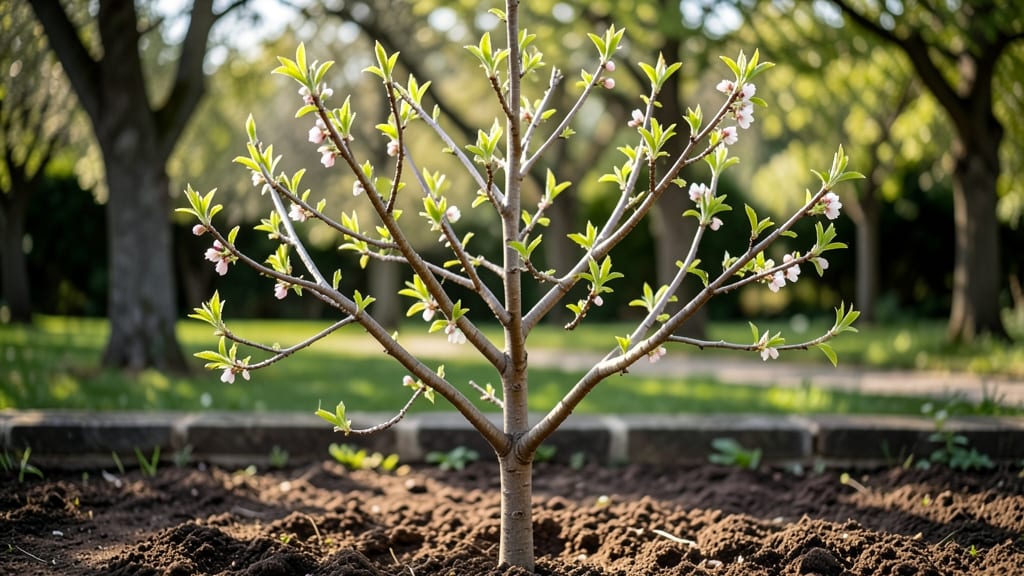
Your young apricot tree’s leaves are the first clue about its future fruit harvest—and right now, they’re whispering secrets. ✨ Those delicate green canopies need the right pruning touch to avoid stunted growth, yellowing, or even disease.
I’ve spent years watching apricot trees struggle from over-pruning or neglect, and the difference between a scraggly branch and a lush, productive canopy comes down to timing, technique, and a few key cuts.
The biggest mistake? Pruning at the wrong time. Young apricot trees need their first major shape-up in late winter, when they’re still dormant but about to burst with new growth. Look for 30-50% of last year’s growth—those are the branches to trim back to a strong outward-facing bud.
Avoid cutting into old wood, or you’ll sacrifice next year’s fruit. And here’s the trick: sterilize your pruners with rubbing alcohol between cuts to stop fungal spores from hitching a ride.
What you’ll end up with is a tree that throws out vibrant new leaves by spring and sets more blossoms than you can count. The canopy opens up to sunlight, reducing humidity where fungal spots love to hide, and the structure supports heavier fruit loads later.
Even better? Proper pruning now means fewer pests like aphids, since crowded branches give them perfect hiding spots. Think of it as giving your tree a spa day—less stress, more energy for fruit.
Works for both backyard trees and larger orchards, and the same principles apply whether you’re dealing with a 3-year-old sapling or a 5-year-old tree. The key is consistency: prune annually, and you’ll see the payoff in juicy apricots by midsummer. Let’s get those branches in shape!
📚 In This Guide
- What you need
- Instructions
- Tips and common mistakes
- Wrapping up and next steps
What you need
- ● Pruning shears: Sharp, bypass-style shears (for clean cuts on small branches). Size: 6-8 inches (ideal for young trees).
- ● Loppers: For thicker branches (1-2 inches in diameter). Quantity: 1 pair (extendable handles help!).
- ● Hand pruners: Compact, for delicate trimming. Quantity: 1 pair (for detail work).
- ● Pruning saw: Only if needed for stubborn, woody branches (avoid if possible—focus on younger growth!).
- ● Disinfectant (70% isopropyl alcohol or pruning sealant): To sterilize tools between cuts and prevent disease.
- ● Rubbing alcohol or bleach solution (1 part bleach to 9 parts water): For cleaning tools post-pruning.
- ● Garden gloves: Heavy-duty, cut-resistant (apricot trees can have thorns!).
- ● Twine or zip ties: To secure temporary supports if needed.
- ● Pruning paint or wound dressing: For sealing larger cuts (controversial—skip if your tree is young and healthy!).
- ● Ladder or step stool: For taller branches (safety first—use a stable one!).
- ● Notebook & pencil: To sketch your tree’s structure before pruning (visual guides = game-changer!).
- ○ Tree growth regulator (optional): If your apricot is overly vigorous (follow label instructions!).
- ● Timing: Late winter or early spring (just before buds swell—avoid pruning in fall for apricots!).
- ● Weather: Dry, calm conditions (wet leaves = slippery branches; rain = fungal risks).
- ● Tree age: Focus on young trees (under 5 years old) for foundational shaping.
- ● Health check: Inspect for pests/disease first—prune after treating if needed.
Instructions for pruning young apricot tree leaves
Here’s how I transform wild, tangled growth into a strong, fruit-bearing apricot tree—step by step.
✂️ Step 1: Identify and Remove Dead or Weak Growth
Start by examining the tree for branches that are dead, diseased, or crossing each other. Dead branches snap easily when bent, while healthy ones bend slightly. Look for brown, brittle wood or signs of fungus like black spots or mold. These need to go first—they drain energy from your tree.
Use sharp, clean pruning shears to make cuts just outside the branch collar (the swollen area where the branch meets the trunk). Avoid leaving stubs—this prevents infection. If a branch is too thick for shears, use a pruning saw. I always sterilize my tools with rubbing alcohol between cuts to prevent spreading disease.
🌿 Step 2: Thin Out Overcrowded Branches
Apricot trees thrive when sunlight reaches the center of the canopy. Remove branches that grow inward or rub against others—these create wounds and block light. Aim for an open, vase-like shape with a dominant central leader (the main upward-growing branch). For young trees, this means cutting back competing vertical branches to encourage one strong leader.
Watch for "water sprouts" (fast-growing, vertical shoots) and "suckers" (shoots from the base). These steal nutrients from fruit production. Snip them off at the base with clean cuts. If you’re unsure which branch to keep, follow the "thirds rule": remove branches that are thinner than one-third the diameter of the main branch.
☀️ Step 3: Prune for Better Light and Airflow
Focus on the lower third of the tree first—this opens up space for sunlight to reach the center. Cut back branches that grow too close to the ground or block walkways. For each cut, angle the blade slightly away from the branch collar to encourage proper healing. Leave 3-4 strong, evenly spaced branches per main stem to support future fruit.
Step back often to visualize the tree’s shape. You’re aiming for a balanced, pyramid-like form with the widest part at the top. Avoid heavy pruning in late summer—this encourages new growth that won’t harden off before winter. Instead, do most of your pruning in late winter or early spring, just before buds swell.
⏰ Step 4: Shape and Encourage Fruit Production
Once the tree has a solid framework, focus on shaping for fruit. Look for "fruit spurs" (short, stubby branches with clusters of buds). These are where apricots form, so protect them. Prune back long, whippy branches to 12-18 inches long—they’ll produce more fruit and be easier to harvest.
If your tree has too many buds in one spot, thin them out to 6-8 inches apart. This prevents overcrowding and improves fruit size and quality. After pruning, apply a thin layer of organic mulch around the base (but not touching the trunk) to retain moisture and suppress weeds. Water deeply to help the tree recover.
Tips & tricks for pruning young apricot trees
Here's what nobody tells you about transforming tangled growth into a thriving fruit tree—these secrets will save you hours of frustration.
Tool Prep Matters: I learned this the hard way after ruining three branches—sterilize your pruning shears between every cut with rubbing alcohol. This prevents spreading disease from infected branches to healthy ones. I also keep a small spray bottle of diluted bleach water (1 part bleach to 9 parts water) for quick cleanups between trees. The extra 30 seconds now prevents years of fungal spread later.
Visualize the Final Shape: Step back every 10-15 minutes to check your progress. That pyramid shape isn't just aesthetic—it's functional. The widest part at the top creates a natural funnel for rainwater to run off, reducing rot risk. I sketch a simple diagram on paper before starting, marking where I want each major branch to end up. This prevents over-pruning or leaving awkward gaps.
Timing is Everything: Late winter or early spring is ideal because the tree is dormant but about to burst with new growth. If you must prune in summer, do it early and avoid heavy cuts—new growth won't harden off before winter. I mark my calendar for February 15th each year as my target date, right before buds start swelling. This timing gives your tree maximum time to heal before the growing season.
Protect Those Fruit Spurs: Those 6-8 inch clusters of buds are where your apricots will form, so handle them with care. When pruning back whippy branches, leave at least 3-4 strong fruit spurs per branch. I use a marker to flag spurs I want to preserve before making any cuts. This simple step can double your fruit yield next season—trust me on this.
Pro Tips for Young Apricot Tree Leaves
- Here's what nobody tells you about transforming tangled growth into a thriving fruit tree—these secrets will save you hours of frustration.
- Tool Prep Matters: I learned this the hard way after ruining three branches—sterilize your pruning shears between every cut with rubbing alcohol.
- Visualize the Final Shape: Step back every 10-15 minutes to check your progress.
Frequently asked questions
Got questions about nurturing your young apricot tree’s leaves and canopy? You’re not alone! Here are some of the most common concerns—and straightforward answers—to help you grow a thriving, fruit-bearing tree.
When is the best time to prune young apricot tree leaves?
The ideal time to prune is late winter or early spring (before buds swell) or right after harvest in summer. Avoid pruning in fall, as wounds may not heal before cold weather. For young trees, focus on shaping the canopy in February to encourage strong growth.
How much should I trim from a young apricot tree’s leaves?
Remove no more than 20-25% of the canopy in a single session. For young trees, prioritize:
- Dead or diseased branches
- Crossing or rubbing branches
- Suckers at the base
- Water sprouts (fast-growing vertical shoots)
What do I do if my apricot tree leaves turn yellow or drop?
Yellowing or dropping leaves often signal nutrient deficiency, overwatering, or disease. Check for:
- Iron/chlorosis: Yellow leaves with green veins? Apply iron sulfate or chelated iron.
- Overwatering: Ensure soil drains well; apricot trees hate soggy roots.
- Pests/disease: Look for spots, holes, or webbing. Treat with neem oil or fungicide if needed.
Can I use apricot tree leaves for anything besides pruning?
Young apricot leaves are edible and nutritious (rich in vitamin A and antioxidants) but can be bitter. Use them:
- In teas or infused oils (harvest young, tender leaves).
- As a mulch around the tree’s base (decomposed leaves improve soil).
- For composting (add to your green bin for nitrogen).
How do I protect apricot tree leaves from extreme heat or cold?
Apricot trees are semi-tropical but need protection in harsh climates:
- Heat stress: Mulch with straw or wood chips to retain moisture. Provide afternoon shade if temps exceed 95°F (35°C).
- Cold damage: Young trees benefit from winter wraps (burlap or frost cloth) or a 2-inch layer of mulch around the base. Avoid pruning too late in fall.
Wrapping up and next steps
Cultivating a thriving young apricot tree starts with understanding its delicate balance—pruning isn’t just about trimming; it’s about nurturing growth and setting the stage for future harvests. 🌱 By mastering the right techniques, timing, and tools, you’ll watch your tree flourish with vibrant leaves, sturdy branches, and a bounty of sweet fruit.
Now that you’re armed with the secrets, roll up your sleeves and give your apricot tree the care it deserves—your future orchard awaits!
Next steps:
- 📅 Mark your calendar for late winter or early spring—the ideal time to start pruning.
- 👀 Observe your tree’s progress and adjust your approach as it grows.
- 🌿 Share your journey with fellow gardeners (or tag us!) for tips and inspiration.