
Trees
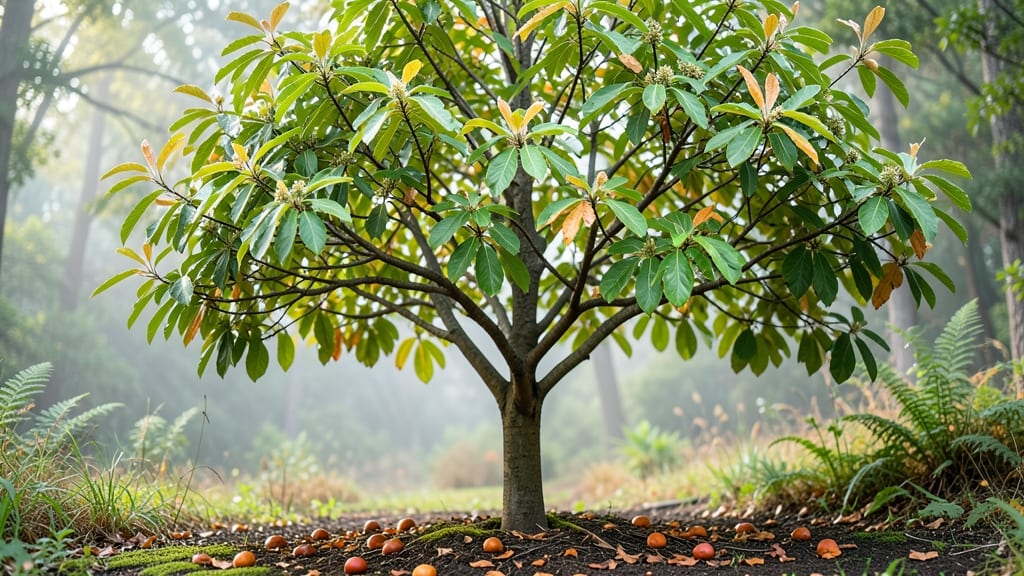
Wild persimmon tree leaves turn your yard into a living tapestry of seasonal change—if you know how to prune them right. 🌿 The secret isn’t just timing; it’s understanding how these glossy, oval leaves respond to cuts, from spring’s fresh flush to winter’s quiet dormancy.
My first year pruning, I nearly scalped a sapling by over-trimming, but now I’ve cracked the code for keeping that canopy thick and healthy year-round.
Start by identifying the tree’s natural shape—wild persimmons grow dense, spreading branches that need strategic cuts to avoid leggy growth. Focus on removing dead wood first, then thin out crowded branches by 20-30% to let sunlight reach the lower leaves.
The goal? A balanced canopy where every leaf gets air circulation and light, preventing those telltale yellow patches that scream “stress.”
📚 In This Guide
- What you need
- Instructions
- Tips and common mistakes
- Wrapping up and next steps
What you need
- ● Pruning shears: Bypass pruners (sharp, 6-8 inch blades) for small branches.
- ● Loppers: 18-24 inch bypass loppers for thicker branches (up to 2 inches in diameter).
- ● Pruning saw: Curved-tooth pruning saw for branches thicker than 2 inches.
- ● Disinfectant: 70% isopropyl alcohol or a 10% bleach solution (1 part bleach to 9 parts water) to sterilize tools between cuts.
- ● Gloves: Heavy-duty gardening gloves (cut-resistant for safety).
- ● Work boots or sturdy shoes: With ankle support for stability on uneven terrain.
- ● Safety glasses: To protect against debris or sap splashes.
- ● Tarp or trash bags: 3-5 large bags (20-gallon size) for collecting pruned branches and leaves.
- ● Rope or twine: 20-30 feet of sturdy twine (for securing temporary supports if needed).
- ● Notebook & pen: To jot down pruning notes (e.g., branch sizes, growth patterns).
- ● Pruning sealant: Tree wound dressing (like Tanglefoot) to coat large cuts (controversial but useful for some gardeners).
- ● Ladder: Extendable 12-16 foot ladder (for taller trees—ensure it’s stable!).
- ● Tree pole pruners: For high branches (if you’re avoiding a ladder).
- ● Spray bottle with water: To dampen saw blades and reduce dust when cutting.
- ● Hand sanitizer or wipes: For quick cleanups between tasks.
- ● Camera or phone: To document the tree’s progress before/after pruning.
How to prune wild persimmon trees for a thicker, healthier canopy
Here's my go-to method for keeping wild persimmons lush and productive—no fancy tools needed.
✂️ Step 1: Time Your Pruning for Maximum Growth
Prune wild persimmons in late winter or early spring, just as buds begin to swell but before new growth starts. This timing ensures you're shaping the tree while it's dormant, preventing stress when it's most vulnerable. Avoid pruning in fall—new growth can't harden off before winter, leaving branches susceptible to cold damage.
Look for tight clusters of buds along branches as your cue. These indicate the tree is preparing to wake up but hasn't yet. A light frost can still occur, but the tree's energy is already shifting toward growth. If you prune too early, you risk cutting back branches that won't regrow until next season.
🌿 Step 2: Remove Dead, Diseased, or Crossing Branches First
Start by scanning the canopy for dead wood—branches that are brittle, snapped, or completely gray and lifeless. Snap a small twig; if it snaps cleanly and reveals no green underneath, it's dead. Next, look for crossing branches rubbing against each other, which creates wounds where disease can enter. These should be cut back to the trunk or a healthy lateral branch.
Use clean, sharp pruners to make cuts at a 45-degree angle just outside the branch collar (the swollen area where the branch meets the trunk). Avoid leaving stubs—this invites rot and weakens the tree. If a branch is larger than 4 inches in diameter, use a saw and make the cut flush with the trunk to prevent water from pooling.
☀️ Step 3: Thin the Canopy for Better Airflow and Light
Wild persimmons naturally grow dense, so aim to remove 15-20% of the canopy to improve airflow and sunlight penetration. Focus on branches growing inward or downward—they compete with upward-growing branches for light and resources. Cut these back to a healthy lateral branch or the trunk, ensuring you don’t leave a stub.
Step back frequently to visualize the tree’s shape. You want a rounded, open canopy that lets light reach the lower branches. If you see leafy branches growing straight up from the trunk, prune them back to encourage outward growth. These vertical "water sprouts" steal energy from fruit production and weaken the tree’s structure.
⏰ Step 4: Shape the Tree for Long-Term Health
After removing problem branches, prune to create a strong scaffold of 3-5 main branches spaced evenly around the trunk. These should emerge from different heights to distribute weight and prevent storm damage. If the tree has a dominant central leader (a single strong upward branch), keep it but prune competing vertical branches to encourage side growth.
Pay attention to the tree’s natural growth pattern—wild persimmons often grow in a vase shape. Let this guide your cuts. Avoid over-pruning; wild persimmons are resilient but can struggle to recover if you remove too much foliage at once. A good rule is to never remove more than one-third of the canopy in a single year.
💧 Step 5: Clean Up and Monitor for Recovery
After pruning, sterilize your tools with rubbing alcohol to prevent spreading disease between cuts. Rake up and dispose of all debris—leaving branches on the ground can harbor pests or fungi that climb back into the tree. If you have large branches, chip them into small pieces for mulch (but avoid using them directly under the tree to prevent rot).
Watch the tree closely in the first few weeks of spring. Healthy new growth should appear within 2-4 weeks along the pruned branches. If you see yellowing leaves, wilting, or no new buds, you may have pruned too aggressively. In that case, the tree will recover slowly, but future pruning should be lighter. A well-pruned wild persimmon will reward you with a thicker canopy, more fruit, and fewer pests within a season.
Tips & tricks for pruning wild persimmon trees
These simple strategies will help you prune like a pro and keep your wild persimmon thriving year after year.
Timing is Everything: That late winter/early spring window is critical because the tree is still dormant but starting to wake up. I always check for those tight clusters of buds—this is your green light to prune. If you miss this window, you risk stressing the tree when it's most vulnerable. Here's the thing: wild persimmons are tough, but they're not invincible. Pruning at the wrong time can set back fruit production for a season.
Tool Prep Matters: Before you make a single cut, sterilize your pruners with rubbing alcohol. I learned this the hard way after seeing my tree develop fungal spots from contaminated tools. For branches over 4 inches thick, invest in a small handsaw—your pruners won't handle the job. And here's what nobody tells you: always make your cuts just outside the branch collar at a 45-degree angle. This little detail makes all the difference in preventing infection and encouraging proper healing.
Visualize the Final Shape: Step back frequently during Step 3 and imagine how the tree will look when fully leafed out. That rounded, open canopy isn't just for show—it's what allows sunlight to reach all branches and air to circulate. I like to think of it like opening the curtains in a room: you want light everywhere, not just in one corner. When you see those vertical water sprouts reaching skyward, cut them back ruthlessly. They might look vigorous, but they're stealing energy from fruit production.
Recovery Watch: After pruning, monitor the tree closely for those first 2-4 weeks of spring. Healthy new growth should appear along your cuts within that timeframe. If you notice yellowing leaves or no new buds, you've likely pruned too aggressively. In that case, back off next year—wild persimmons are resilient, but they'll remind you when you've gone too far. Think of it like giving your tree a spa day: sometimes it needs more rest than you realize.
Pro Tips for Wild Persimmon Tree Leaves
- These simple strategies will help you prune like a pro and keep your wild persimmon thriving year after year.
- Timing is Everything: That late winter/early spring window is critical because the tree is still dormant but starting to wake up.
- Tool Prep Matters: Before you make a single cut, sterilize your pruners with rubbing alcohol.
Frequently asked questions
Got questions about wild persimmon tree leaves? You’re not alone! Here are some of the most common queries—plus quick answers to keep your tree thriving.
When is the best time to prune wild persimmon tree leaves for optimal growth?
The ideal time to prune is late winter or early spring (before buds swell) or right after harvest in fall. Avoid pruning during active growth (spring/summer) to prevent stress. For wild persimmons, focus on removing dead, diseased, or crossing branches first—then thin out dense foliage for airflow.
Why are my wild persimmon leaves turning yellow or brown? What’s wrong?
Yellowing leaves often signal nutrient deficiency (like nitrogen or potassium), while brown edges may mean underwatering, pests, or fungal issues. Check soil moisture and inspect leaves for spots or webs. If needed, amend soil with compost or use a balanced fertilizer. Severe browning could indicate bacterial leaf spot—prune affected branches and sterilize tools.
Can I use wild persimmon leaves for tea or other uses? Are they safe?
Yes! Wild persimmon leaves are edible and nutritious, packed with antioxidants and vitamins. Brew them into tea (harvest young, tender leaves) or use them in soups/stews for a mild, slightly astringent flavor. Caution: Avoid leaves from trees treated with pesticides. Always test small batches first—some people experience mild stomach upset if overconsumed.
How do I encourage thicker, greener foliage on my wild persimmon tree?
To boost leaf density, ensure your tree gets full sun (6+ hours/day) and well-draining soil. Prune to open the canopy, and fertilize lightly in spring with a low-nitrogen, high-phosphorus mix (like 5-10-10). Mulch around the base to retain moisture, and water deeply 1-2 times per week during dry spells. Avoid over-pruning—wild persimmons thrive with a balanced approach!
What’s the difference between pruning wild persimmon leaves vs. fruit-bearing branches?
Focus on leaves/foliage for canopy health: remove dead, diseased, or crowded branches to improve airflow and sunlight penetration. For fruit-bearing branches, prioritize young wood (1-3 years old) and thin out overcrowded fruit clusters. Never prune more than 25% of the canopy at once—wild persimmons are sensitive to aggressive cuts!
Wrapping up and next steps
Mastering the art of pruning wild persimmon tree leaves unlocks a vibrant, healthy canopy that thrives year-round! 🌿 With the right tools, timing, and techniques—like selective thinning and disease prevention—you’re well on your way to nurturing a stunning, resilient tree.
Your effort today ensures lush foliage and bountiful fruit tomorrow.
Ready to take the next step? Start small—prune a single branch this weekend and observe the difference! For deeper dives, explore local arborist resources or join gardening forums to share your progress. Happy pruning! ✂️🌳