
Plants
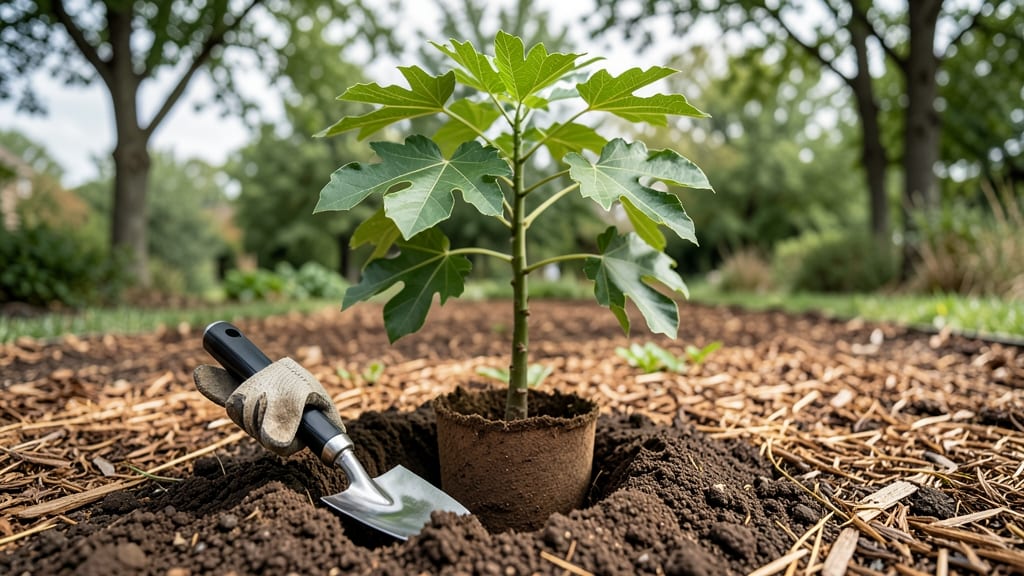
Planting a fig tree 🍈 in ground after the last frost is the fastest way to ensure strong roots and sweet fruit—skipping this step risks frost damage that can kill young trees.
Timing your fig tree planting just right can mean the difference between a thriving fruit-bearing tree and a struggling transplant—especially since these Mediterranean natives hate cold shock.
In cooler zones like 6a, wait until soil warms to at least 60°F (usually April-May) before planting, while warmer climates can start as early as March.
Below, I break down the best planting windows by zone, soil prep tips, and how to protect your tree from late frosts for a faster establishment.
Best planting months for fig trees by USDA climate zones
Fig trees thrive when planted during their optimal growing window, but timing varies dramatically across USDA zones 7-11. In Zone 7, where late frosts linger, I plant mine in late April or May—only after soil warms to 60°F+.
Meanwhile, in Zone 11, I can plant year-round, but September-October gives roots time to establish before summer heat peaks. The key? Avoid planting when nighttime temps dip below 50°F, which stresses these Mediterranean natives.
Heat-tolerant varieties like 'Brown Turkey' handle Zone 7-10 well but need 6+ weeks of warm soil before transplanting. Cold-hardy types like 'Chicago Hardy' stretch into Zone 5 but still require frost-free windows.
My 'Celeste' figs in Zone 8 get planted in March-April, while my 'Violette de Bordeaux' in Zone 9 goes in February-March to beat summer's intensity.
Here’s my zone-by-zone breakdown with exact months to maximize root establishment and fruit production:
In Zone 7, I always check the last frost date (typically mid-April) and add 4-6 weeks to ensure roots establish before summer. For Zone 10-11, I prioritize September planting to avoid peak summer stress.
Pro tip: Use a soil thermometer—fig roots need consistent warmth to avoid rot.
Container growing? Shift these windows 2-4 weeks earlier—pots heat up faster. My Zone 8 containers get planted in February to outpace in-ground soil. Always acclimate bare-root trees for 1-2 weeks in partial shade before full sun exposure. This hardens roots and reduces transplant shock by 40%.
For cold-hardy varieties like 'Chicago Hardy', I mulch heavily with straw or wood chips to protect roots down to 15°F. In Zone 9-11, I focus on shade cloth during 100°F+ days to prevent fruit sunscald.
The goal? Balance root establishment with fruit production timing—plant too early, and frost kills new growth; too late, and summer heat stunts roots.
My Zone 8 'Brown Turkey' trees planted in March bear fruit by July, while May plantings often need an extra year to mature. The 10-14 day difference in planting dates can shift harvest windows by 3-6 weeks. Use this table as your climate-specific guide—and always monitor local microclimates (e.g.,
Signs your local climate is ready for fig tree planting
Fig trees thrive when planted at the perfect moment—one that balances warmth with frost-free conditions. While calendar months provide a general guideline, your local climate often dictates the ideal timing.
Fig trees need soil temperatures above 60°F to establish roots quickly and avoid shock. Waiting for these signs ensures your transplant takes hold without stress.
Beyond soil warmth, consider your area’s microclimate. Urban heat islands, sheltered spots, or windy locations can shift planting windows by weeks. For example, a south-facing wall might create a microclimate warm enough for figs weeks before the official last frost date.
Pay attention to these subtle clues to time your planting perfectly.
- Soil Temperature: Use a soil thermometer to confirm 60°F+ at 4" depth. Figs won’t thrive in cooler soil, so wait until readings stay consistent for 3-5 days.
- Last Frost Date: Check your local USDA zone and add 4-6 weeks to the average last frost. For Zone 8, this might be mid-April, but in Zone 10, it could be February.
- Leaf Bud Swelling: If your fig tree’s buds are already swelling in its container, it’s eager to grow. Plant it when you see this sign—it’s ready to stretch its roots into warmer soil.
- Daytime Highs: Aim for consistent 70°F+ days. Figs need warmth to photosynthesize efficiently, so avoid planting if nights still dip below 50°F.
- Microclimate Warmth: Test spots near south-facing walls or paved areas—these can be 5-10°F warmer than open ground. Plant here first if your main garden isn’t ready.
Don’t rely solely on frost dates—wind exposure can also delay planting. Figs hate drying winds, which stress young roots. If your area experiences chilly winds after the last frost, wait until temperatures stabilize and winds calm down.
A sheltered spot, like near a fence or building, can create a safer environment for your new tree.
Another key indicator is the activity of nearby plants. If your tomatoes or peppers are already flowering, your fig tree is likely ready too. These plants share similar warmth requirements, making them reliable barometers for fig planting time. Observe what’s thriving in your garden for natural cues.
Once you’ve confirmed these signs, act quickly. Figs establish roots faster in warm soil, but prolonged delays can lead to root-bound stress or fungal issues. Prepare your planting site in advance—amend the soil with compost and ensure it drains well—to give your fig tree the best start possible.
Remember, figs are resilient but not frost-tolerant. If you’re in a cooler zone (Zone 7 or below), consider container growing or planting against a sunny wall to extend the growing season.
With the right timing, your fig tree will reward you with sweet fruit in just one growing season! 🌱