
Blooming
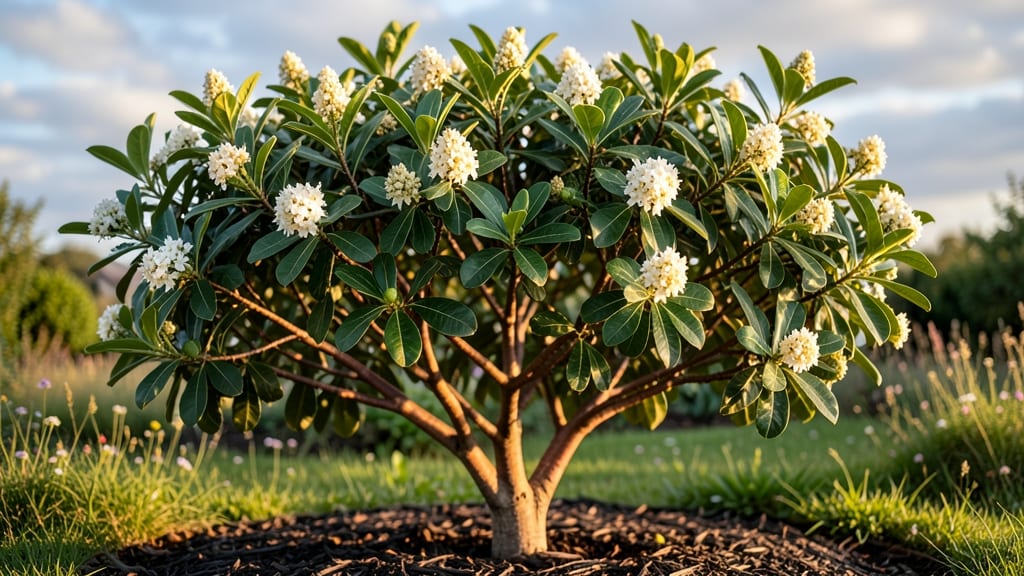
A guava tree blooms in late spring through summer 🥝, with timing that shifts dramatically depending on whether you’re in a tropical paradise or a subtropical edge.
Watching a guava tree bloom is a gardener’s reward—but timing is everything. If you’ve ever wondered why your guava tree isn’t flowering, the answer likely lies in your climate zone and seasonal cues.
In USDA zones 10-11, where guavas thrive year-round, blooms appear almost continuously, peaking in spring and summer. But in cooler subtropical areas (zones 9-10), flowering often waits until temperatures stabilize above 60°F—meaning your tree might hold off until late spring or early summer.
Here’s the good news: with the right care, you can nudge blooms earlier or later. I’ll break down how sunlight, water, and even pruning tricks can sync your guava tree’s calendar with your harvest goals.
Guava tree blooming seasons by USDA climate zones
Guava trees (Psidium guajava) thrive in warm climates, but their blooming seasons vary dramatically depending on your USDA climate zone.
In tropical zones (USDA 10-12), you might see flowers year-round, while subtropical (USDA 9-10) and even some temperate (USDA 8-9) zones experience distinct seasonal blooms. Understanding these patterns helps you anticipate fruit production and adjust care routines accordingly.
Temperature plays a crucial role in triggering guava blooms. Most varieties need consistent warmth (70-90°F) to set flowers, but sudden drops below 55°F can shock the tree and delay blooming.
In cooler zones, guavas often enter dormancy, requiring careful management to encourage springtime flowering. Let’s break down what to expect in each zone.
| USDA Zone | Primary Bloom Season | Secondary Blooms | Temperature Triggers | Fruit Maturity Window |
|---|---|---|---|---|
| 10-12 (Tropical) | Year-round (peaks spring-fall) | Minimal seasonal change | Consistent 75-90°F | 6-9 months after bloom |
| 9-10 (Subtropical) | Late winter to early spring (Feb-Apr) | Fall (Sep-Oct) with mild weather | Warmth above 60°F + 10+ hours sun | 8-12 months after bloom |
| 8-9 (Temperate Edge) | Spring (Apr-May) after last frost | Minimal; may skip in cold years | Stable 70°F+ for 4+ weeks | 10-14 months (longer in cooler years) |
In USDA zones 10-12, guava trees often bloom continuously, with heavier flowering during spring and summer when daylight extends. This tropical behavior means you can harvest fruit multiple times per year if conditions remain ideal.
The ‘White’ guava variety, for example, thrives in these zones and produces flowers even in winter if temperatures stay above 65°F.
For USDA zones 9-10, the story changes dramatically. Here, guavas typically follow a spring bloom cycle (February-April), triggered by rising temperatures after winter dormancy. A second, smaller flush may occur in fall (September-October) if nights stay warm.
In South Florida or Southern California, gardeners often see two distinct harvests annually—one from spring blooms and another from fall flowers.
Gardeners in USDA zones 8-9 face the biggest challenges. These areas push guavas to their cold tolerance limits, and blooms become unpredictable. Most flowering occurs in late spring (April-May) after the last frost, but cold snaps can shock flower buds and reduce yields.
Varieties like ‘Red Malaysian’ handle cooler temps better but still need protection from 32°F or below.
Temperature fluctuations also influence bloom timing. Guava trees often need a 10-14 day period of stable warmth (75-85°F) before setting flowers.
In subtropical zones, this happens naturally in spring, but in temperate zones, you may need to extend the growing season with row covers or microclimates to encourage blooming. Even a single cold snap during flower formation can cause buds to drop.
Light exposure matters too. While guavas tolerate partial shade, they bloom most heavily in full sun (6+ hours daily). In USDA 8-9 zones, south-facing walls or greenhouses can provide the extra warmth needed to trigger flowering.
I’ve seen guavas in Central Texas produce flowers when planted against brick walls, while those in open fields struggled until I added shade cloth to moderate summer heat.
If you’re in a cooler zone and want to encourage blooms, focus on soil warmth and consistent moisture during winter. Mulching with straw or wood chips helps insulate roots, while drip irrigation maintains steady soil temperatures.
In my USDA zone 8b garden, I’ve had success using black plastic mulch in early spring to raise soil temps by 5-10°F—enough to kickstart flowering.
Remember that guava trees are heavy feeders, and proper nutrition timing affects blooms. In tropical zones, fertilize lightly every 2 months; in subtropical/temperate zones, apply a balanced 6-6-6 fertilizer in early spring to support flower production.
Over-fertilizing with nitrogen can lead to leafy growth at the expense of blooms, so always follow a low-nitrogen, high-potassium schedule once buds form.
🌱 Whether you’re in Miami or Madison, understanding your guava tree’s blooming patterns helps you plan for fruit harvests—and troubleshoot when blooms don’t appear. With the right zone-specific care, you can enjoy year-round flowers in the trop
How to encourage early or delayed guava tree blooms
Guava trees thrive when their natural blooming cycles align with your growing goals—but what if you want those fragrant white flowers to appear earlier or later? The key lies in understanding how light exposure, water management, and nutrient timing influence flowering.
Whether you're in a tropical USDA Zone 11 or a subtropical Zone 10, small adjustments can trigger blooms when you need them most.
Timing is everything for guava trees, which typically bloom in spring or early summer but can be coaxed into flowering year-round with the right care. If your tree is over 3 years old but still not blooming, it might need a strategic push.
The good news? You don’t need complex techniques—just targeted pruning, fertilizer adjustments, and water discipline can make all the difference.
- 1. Strategic Pruning: Prune old growth in late winter to encourage new, flowering branches. Focus on semi-mature wood (1-3 years old) for best results.
- 2. Fertilizer Timing: Apply high-potassium fertilizer (like 6-6-6 or 8-3-9) in early spring to trigger blooms. Avoid heavy nitrogen, which delays flowering.
- 3. Water Adjustments: Reduce watering 2 weeks before desired bloom time to stress the tree slightly—this mimics natural dry seasons and signals flowering.
- 4. Light Optimization: Ensure 6+ hours of direct sun daily. If indoors, place near a south-facing window to maximize light exposure.
- 5. Temperature Control: Guavas bloom best in 70-85°F ranges. Use shade cloth in hot climates to prevent heat stress that delays blooms.
- 6. Pollination Boost: Hand-pollinate flowers with a soft brush if bees are scarce, especially in urban or greenhouse settings.
For early blooms, start by pruning in late winter (just before warm weather arrives) and apply fertilizer in February or March. This gives the tree a head start on its natural cycle.
If you’re aiming for delayed blooms, prune in early summer and reduce watering gradually to push back the flowering window.
One common mistake is overwatering, which can suppress blooms entirely. Guava trees need consistent moisture but hate soggy roots. Aim for deep watering 2-3 times per week in summer, then taper off as temperatures drop. Mulching with organic matter helps retain moisture while preventing root stress.
Remember, guava trees are sensitive to sudden changes, so introduce adjustments gradually. If your tree is young (under 2 years old), focus on establishing strong roots before worrying about blooms—patience is key! With the right approach, you’ll have abundant flowers (and later, sweet fruit) on schedule.
🌱