
Pruning
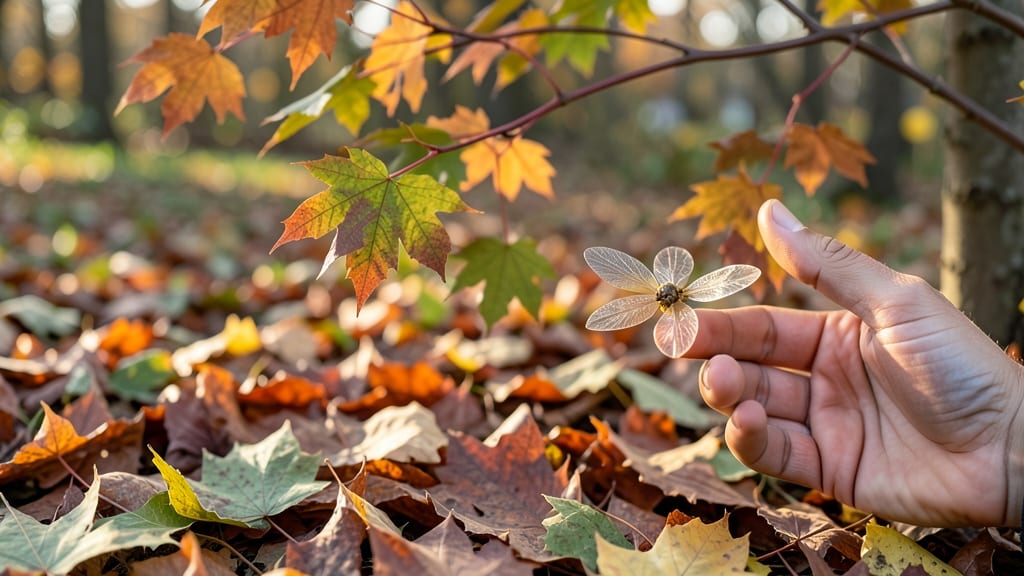
Maple tree helicopters (samaras) typically fall between mid-September and early November, with timing varying by species—sugar maples drop later than silver or red maples—and influenced by climate zones, humidity, and temperature shifts.
These winged seeds, or samaras, start falling when trees signal the end of their growing season through temperature drops and shorter daylight. 🌳 Sugar maples, often planted in landscapes, tend to release theirs in late October, while faster-growing species like silver maples may begin as early as September.
Warmer climates can push this window back by weeks, so checking local frost dates helps predict the best collection time.
What's interesting is how humidity plays a role—drier conditions can delay seed drop, while rain often triggers a mass release. I've noticed that in my zone 6 garden, red maples start dropping seeds 2-3 weeks earlier than sugar maples, giving me a longer window to collect them for propagation projects.
💡 In This Article
- How Climate and Maple Species Affect Seed Drop Timing
- Best Ways to Collect Maple Tree Helicopters for Planting
How climate and maple species affect seed drop timing
Maple trees use a combination of temperature cues and daylight changes to trigger seed dispersal. The key biological trigger is when nighttime temperatures consistently drop below 50°F for several nights in a row, signaling the end of the growing season.
This temperature threshold varies slightly by species—sugar maples often need cooler nights (45°F) to initiate seed drop, while silver maples may respond to slightly warmer conditions (55°F). 🌡️
Daylight hours also play a crucial role. Maple trees monitor photoperiod (day length), and when daylight drops below 12 hours, they begin preparing for dormancy. This explains why seed drop timing shifts noticeably between northern and southern climates.
In USDA zone 5, where I garden, sugar maples typically release seeds in late October to early November, while in zone 8, they may start as early as mid-September. The variation can be as much as 6 weeks between regions.
Species-specific growth patterns create distinct timing differences. Sugar maples, known for their slower growth and later maturity, hold onto their seeds longer—sometimes until after the first hard frost. In contrast, red maples, which grow faster and mature earlier, begin dropping seeds 3-4 weeks before sugar maples.
Silver maples, the fastest growers, often release seeds first, sometimes even in late August in warm climates. This staggered timing creates a natural succession of seed dispersal across the landscape.
Humidity levels also influence when samaras fall. Dry conditions can delay seed release by keeping the seed pods tightly closed, while even light rain often triggers a mass release. I've observed that after a 0.5-inch rainfall, silver maples will drop 80% of their remaining seeds within 48 hours.
This moisture sensitivity helps explain why autumn storms often create "helicopter blizzards" under maple trees. 🌧️
Another fascinating factor is the tree's internal clock. Maple trees produce seeds in spring but keep them in a dormant state until environmental conditions are optimal. The seed pods remain green and tightly closed until the right temperature and photoperiod cues are received.
This dual trigger system ensures seeds aren't released too early when germination conditions might be poor, maximizing their survival chances.
Regional climate patterns create predictable variations. In the Pacific Northwest, where summers are cooler and wetter, maple seed drop often begins 2 weeks later than in the Midwest. Meanwhile, in the Southeast, where summers are hotter and longer, some maple species may start dropping seeds as early as mid-August.
These regional differences mean gardeners should monitor local weather patterns rather than relying on calendar dates alone.
Understanding these patterns helps explain why your neighbor's sugar maple might be dropping seeds weeks before yours—it's not just about the species, but about the specific microclimate. Pay attention to when your local maples begin changing color, as this often precedes seed drop by 1-2 weeks.
This natural progression gives you a reliable early warning system for the best collection times. 🌿