
Blooming
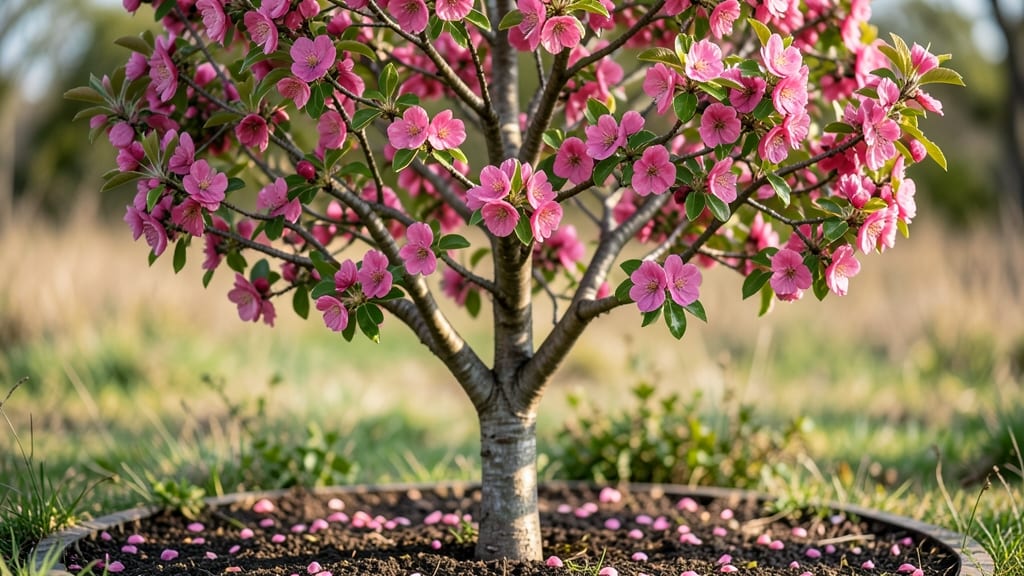
What tree has pink blossoms? The answer includes dogwoods, cherry blossoms, and crape myrtles, each showcasing stunning spring or summer flowers. Dogwoods display delicate pink clusters, cherry blossoms create breathtaking floral displays, and crape myrtles offer voluminous, long-lasting blooms. Match your selection to your local climate and sunlight conditions for best results.
If you're looking for trees that bring vibrant color to your landscape, these three stand out for their unique bloom styles and seasonal timing. 🌸 Dogwoods typically bloom in late spring with their signature four-petaled flowers, while cherry blossoms peak in early spring, creating dramatic cascades.
Crape myrtles extend the show into summer with their fluffy, ruffled blooms that last for weeks. Each type thrives in different conditions—dogwoods prefer partial shade, cherry blossoms need full sun, and crape myrtles are incredibly drought-tolerant once established.
For gardeners who want to attract pollinators, all three varieties are excellent choices. The nectar-rich blooms support bees and butterflies, making them perfect additions to wildlife-friendly landscapes. I always recommend checking your local hardiness zone before planting, as this determines which varieties will thrive in your area.
For example, some cherry blossom varieties do better in cooler climates, while crape myrtles handle heat exceptionally well.
💡 In This Article
- Identifying Pink Blossom Trees by Flower Shape and Season
- Best Pink-Blossoming Trees for Landscaping and Pollinator Gardens
Identifying pink blossom trees by flower shape and season
The dogwood stands out with its iconic 4-petaled, flat-topped clusters that resemble a cross. These blossoms appear in late spring, typically between April and June, depending on your region.
The flowers range from soft pink to near-white, often surrounded by showy bracts that make them appear larger than they are. 🌸 What's fascinating is how dogwoods bloom before their leaves fully emerge, creating a stunning contrast against the emerging foliage.
Their peak bloom lasts about 2-3 weeks, making them a fleeting but spectacular sight.
In contrast, cherry blossoms feature delicate, single-layered petals that create a more ethereal, almost translucent appearance. These trees bloom in early spring, often between March and May, and can completely transform a landscape into a sea of pink.
The blossoms grow in sprays of 3-5 flowers per stem, and their fragrance is a defining characteristic—some varieties like the Kanzan cherry release a sweet, almond-like scent that can be detected from 50 feet away.
Unlike dogwoods, cherry blossoms require full sun exposure (at least 6-8 hours daily) to thrive, which is why they're often planted in urban areas where sunlight is abundant.
Crape myrtles offer a completely different experience with their ruffled, pom-pom-like flowers that resemble velvet. These blooms appear in late spring to early summer, typically between June and August, and can last for 6-8 weeks—far longer than dogwoods or cherry blossoms. 🌿 The flowers grow in dense clusters along the branches, and their texture is almost like fluffy cotton candy. Crape myrtles are also more heat-tolerant, making them ideal for USDA hardiness zones 7-9, where they can withstand temperatures up to 100°F without stress. Their long bloom season is a major advantage for gardeners who want extended color.
When identifying these trees, pay attention to their leaf shape and bark as well. Dogwoods have elliptical leaves with smooth edges and gray-brown bark that peels in thin strips. Cherry blossoms feature lance-shaped leaves with serrated edges and dark, scaly bark.
Crape myrtles, on the other hand, have long, narrow leaves and develop distinctive, peeling bark as they mature, which adds to their ornamental value. These visual cues can help you distinguish them even when they're not in bloom.
Another key factor is their growth habit. Dogwoods typically reach 15-25 feet tall with a rounded canopy, while cherry blossoms can grow 20-40 feet tall and develop a spreading, horizontal branching pattern.
Crape myrtles are more upright, growing 15-30 feet tall with a pyramidal shape, which makes them great for smaller yards. Understanding these differences helps you choose the right tree for your space and aesthetic goals.
For those in cooler climates (zones 4-6), dogwoods and certain cherry blossom varieties (like the Stella Pink cherry) are excellent choices. In warmer zones (7-10), crape myrtles and Southern magnolias (which also have pink blooms) thrive.
Always check your local nursery for region-specific recommendations, as some varieties are bred to perform better in specific microclimates. 🌺