
Flowers
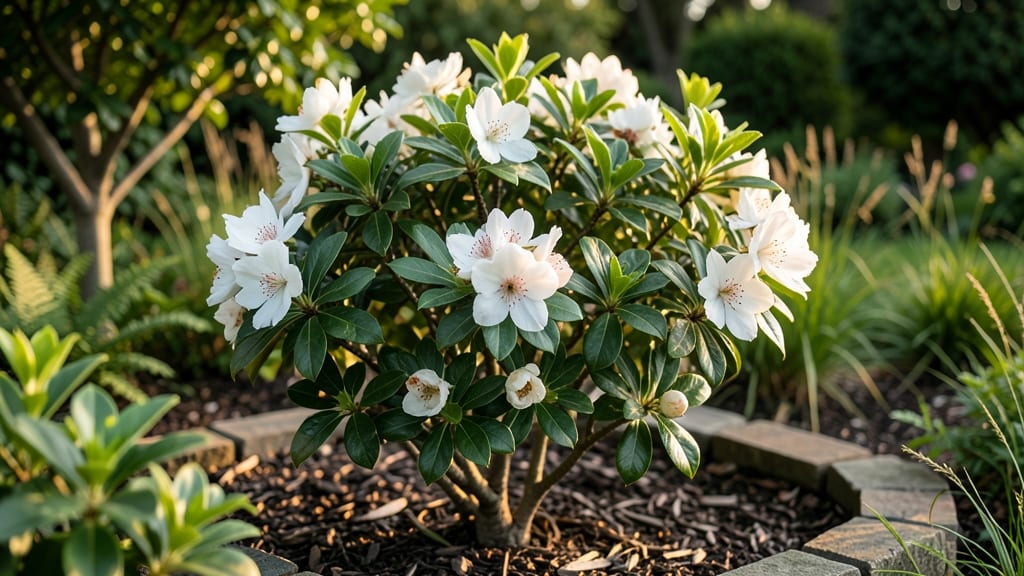
The delicate tree with white flowers of 5 petals—like the crabapple—transforms spring gardens into a luminous paradise almost overnight. 🌸 I’ve watched them turn my yard from a sleepy winter landscape into a pollinator haven within weeks—each branch heavy with blossoms that attract bees, butterflies, and hummingbirds before the leaves even appear.
These trees aren’t just pretty—they’re the stars of small gardens, urban yards, and mixed borders. Their delicate flowers contrast beautifully with deep green foliage, while their compact sizes make them perfect for tight spaces. Plant them near patios or walkways to enjoy the scent and shade as summer arrives.
Pair them with purple clematis for a striking color combo, or let them stand alone as a focal point. The blooms last 2-3 weeks, but their ornamental value extends through fall with colorful fruit and winter silhouette interest. Every season, they bring something new to the garden.
Whether you’re designing a pollinator-friendly haven or simply want a showstopping tree, these five-petaled white bloomers deliver year-round charm with minimal effort. The best part? They thrive in full sun to partial shade, making them a foolproof choice for almost any landscape.
Nature’s Blueprint For Five-Petal Blooms
When you spot a tree adorned with delicate white flowers featuring five petals, nature is often following a precise botanical script. These blooms aren’t random—they’re the result of evolutionary adaptations, environmental cues, and genetic programming.
Let’s break down the key reasons why trees produce these iconic flowers, from biological triggers to ecological advantages.
Many trees with five-petal white flowers—like the Crabapple, Dogwood, or Magnolia—follow a fundamental floral structure hardwired into their genetics. The five-petal design is a common trait in the Rosaceae (rose family) and Magnoliaceae families, rooted in ancient plant lineages.
This symmetry isn’t just for show; it’s a pollinator magnet.
- Why five petals? Studies suggest this number balances visual appeal for insects and birds while optimizing nectar accessibility. The arrangement often aligns with how pollinators (like bees or butterflies) perceive color and shape.
- White pigmentation is another genetic trait—it reflects UV light, creating invisible nectar guides that only pollinators can see, directing them straight to the flower’s reproductive parts.
- Actionable tip: If you’re growing a tree with this trait, prune selectively to encourage dense flowering branches. Overcrowded canopies can reduce light penetration, signaling the tree to prioritize foliage over blooms.
White five-petal flowers often burst forth in spring as a direct response to day length and temperature shifts. Trees like the Eastern Redbud or Serviceberry rely on vernalization—a biological process where cold exposure breaks dormancy, followed by warming temperatures to kickstart flowering.
- Photoperiodism in action: As daylight hours increase (a cue for spring), trees ramp up floral hormone production, particularly florigen, which triggers bud development.
- Temperature thresholds: Some species (e.g., Cherry Blossoms) need chilling hours (300–1,500 hours below 45°F) to flower. Without this, buds may fail to open, resulting in sparse or no blooms.
- 💡 Pro tip: If your tree isn’t flowering, check its winter chilling exposure. In warmer climates, consider artificial chilling (e.g., storing bare-root trees in a fridge for 8–12 weeks at 35–45°F) to mimic natural conditions.
Five-petal white flowers thrive because they’ve evolved alongside pollinators. Their structure and color serve as a billboard for insects and birds, ensuring reproductive success. Here’s how it works:
| Pollinator Type | How the Flower Attracts Them | Why Five Petals Help |
|---|---|---|
| Bees (e.g., Honeybees, Bumblebees) | UV-reflective patterns (invisible to humans) guide them to nectar. | The petal arrangement provides stable landing platforms and easy access to stamens. |
| Butterflies (e.g., Monarchs, Swallowtails) | Bright white petals contrast against foliage, making them visible from a distance. | Five petals often cluster tightly, creating a "platform" for butterflies to perch and sip nectar. |
| Hummingbirds (e.g., Ruby-throated Hummingbirds) | White flowers with red centers (like Trillium) mimic the color spectrum birds see. | The open, accessible shape allows birds to hover and probe for nectar without obstruction. |
⚠️ Warning: If you notice fewer pollinators in your area, the tree may produce flowers but fail to set fruit or seeds. Consider planting companion flowers (e.g., lavender, coneflowers) to boost local pollinator populations.
Not all five-petal white blooms appear as expected. Environmental stressors can disrupt flowering, and understanding them helps gardeners intervene:
- 🌡️ Extreme Heat or Drought: Trees like Dogwood may drop buds if soil moisture drops below 50% field capacity. Solution: Mulch heavily (3–4 inches) and water deeply before bud break.
- 🍄 Fungal Infections (e.g., Anthracnose): Dark spots on leaves or buds can signal disease, causing premature flower drop. Solution: Apply copper fungicide in early spring and avoid overhead watering.
- 🌊 Poor Soil Drainage: Waterlogged roots starve the tree of oxygen, delaying flowering. Solution: Test soil pH (ideal: 6.0–7.0 for most flowering trees) and amend with sand or perlite if compacted.
- 🐛 Pest Damage (e.g., Borers, Aphids): Insects can weaken trees, reducing energy for blooms. Solution: Introduce beneficial nematodes or use neem oil as a preventative spray.
🎯 Key Insight: Stress often reduces chlorophyll production, diverting energy away from flowers. Healthy foliage = better blooms!
Revitalizing Your Blooming Beauty
If your tree adorned with delicate white, five-petaled flowers isn’t thriving as expected, don’t fret! With the right care, you can restore its lushness and ensure a vibrant display year after year.
Below, we’ve mapped out practical solutions tailored to common issues—from environmental stressors to pests—and included prevention tips to keep your tree flourishing. 🌿✨
When roots are cramped or soil lacks nutrients, even the hardiest trees struggle to bloom. Here’s how to fix it:
🔧 Solution:
- 🌱 Loosen the Soil Gently Use a hand trowel to aerate the soil around the tree’s drip line (the edge of its canopy). Avoid digging too close to the trunk—stick to the outer roots.
- 💧 Amend the Soil Mix in compost or well-rotted manure (2–3 inches deep) to improve drainage and fertility. For sandy soil, add peat moss or coconut coir; for clay, incorporate perlite or coarse sand.
- ⏳ Mulch for Moisture Retention Apply a 2–4 inch layer of organic mulch (wood chips, straw, or shredded leaves) around the base, keeping it 6 inches away from the trunk. Replenish annually.
💡 Prevention Tip:
- Test your soil every 2–3 years (use a DIY kit or lab service) to monitor pH and nutrient levels. Aim for a slightly acidic to neutral pH (6.0–7.0) for most flowering trees.
White, five-petaled blooms often need full sun (6+ hours daily) to thrive. Shade or poor placement can stunt growth and reduce flowering.
🔧 Solution:
- 🌞 Assess Light Requirements Research your tree’s species (e.g., Hawthorn, Crabapple, or Dogwood)—some tolerate partial shade, while others demand full sun.
- 🌳 Prune Overhanging Branches Trim nearby trees or shrubs blocking sunlight. Use clean, sharp pruners and cut at a 45-degree angle just above a bud.
- 📍 Relocate (If Possible) If the tree is young, consider transplanting it to a sunnier spot during early spring or fall. Dig a hole twice as wide as the root ball and water thoroughly after planting.
💡 Prevention Tip:
- Observe leaf color: Yellowing or pale leaves often signal light deprivation. Adjust placement before the next growing season.
Aphids, scale insects, or fungal diseases (like powdery mildew) can sap energy from your tree, reducing bloom quality.
🔧 Solution:
| Problem | 🔧 Fix It | 🛡️ Prevention |
|---|---|---|
| Aphids/Scale | Spray with neem oil (mix 1 tbsp per quart of water) or introduce ladybugs. | Prune infested branches early; avoid over-fertilizing nitrogen. |
| Powdery Mildew | Apply baking soda spray (1 tsp baking soda + 1 quart water + few drops of soap) weekly. | Improve airflow with proper spacing; water at the base, not leaves. |
| Borers or Beetles | Use beneficial nematodes (for larvae) or prune and burn infested wood. | Inspect trees spring and fall; keep bark healthy with mulch. |
💡 Prevention Tip:
- Monitor regularly: Check the underside of leaves and new growth for early signs of pests. A magnifying glass helps spot tiny eggs or larvae.
Too much or too little water stresses trees, leading to dropped buds, weak stems, or stunted blooms.
🔧 Solution:
- 💧 Check Soil Moisture Stick your finger 2 inches into the soil—if it’s dry, water deeply. If soggy, hold off until the top inch feels dry.
- 🌧️ Adjust Watering Schedule
- Young trees: Water 2–3 times per week (10–15 gallons per watering).
- Mature trees: 1–2 times per week (20+ gallons), focusing on the drip line.
- 🚰 Improve Drainage If water pools around the base, create a swale (a shallow trench) to redirect runoff. For container-grown trees, ensure pots have drainage holes.
💡 Prevention Tip:
- Water deeply but less frequently to encourage deep root growth. Drip irrigation is ideal for consistency.
Early blooms can get frost-nipped, leaving brown, wilted petals. Some trees (like Cherry or Magnolia) are especially sensitive.
🔧 Solution:
- 🌡️ Protect with Row Covers Drape frost cloth over the tree before sunset on nights below 32°F (0°C). Secure edges with bricks or stakes.
- 🔥 Use Heat Sources (For Young Trees) Place string lights or a small space heater (safely distanced) near the canopy on critical frost nights.
- 🌱 Choose Late-Blooming Varieties If frost is recurrent, opt for late-flowering cultivars (e.g., ‘Royal Star’ Magnolia blooms in May instead of April).
💡 Prevention Tip:
- Monitor forecasts via apps like Weather Underground and act 24–48 hours before a frost warning.
Keep your five-petaled beauty in top shape with these year-round tasks:
- 🍂 Fall: Apply a balanced fertilizer (10-10-10) and mulch.
- 🌱 Spring: Prune dead or crossing branches before buds swell.
- ☀️ Summer: Mulch again and watch for pests.
- ❄️ Winter: Water occasionally (unless snow covers the ground) to prevent drought stress.
With these targeted fixes, your tree’s white, five-petaled blooms will return in full, pollinator-friendly glory. 🐝🌸 Remember, consistency is key—small, regular efforts yield the most rewarding results!
Frequently asked questions
Which trees have white flowers with exactly five petals?
Popular options include crabapple trees, dogwood, and serviceberry. The Eastern Redbud also features delicate five-petaled blooms, while magnolias (like 'Jane') showcase larger, cup-shaped white flowers with five petals. All thrive in sunny to partially shaded spots.
Why do these flowers attract so many pollinators?
The five-petal structure creates stable landing platforms for bees and butterflies, while white petals reflect UV light—visible only to pollinators—as nectar guides. Plus, their early spring blooms provide critical food sources when other flowers are scarce, making them pollinator magnets.
Can I grow these trees in containers?
Yes! Dwarf varieties like 'Centennial' Crabapple or 'Little Henry' Serviceberry thrive in 15-gallon containers with well-draining soil. Use a mix of potting soil, perlite, and compost, and ensure the pot has drainage holes. Repot every 2-3 years and prune roots to prevent circling.
How do I extend their blooming season?
Deadhead spent blooms regularly to encourage new growth, and fertilize lightly with 10-10-10 in early spring. For repeat bloomers like dogwood, prune lightly after flowering. Mulch with 3-4 inches of organic matter to retain moisture and cool roots, which helps sustain blooms longer.
Are these trees deer-resistant?
Most aren't completely deer-proof, but serviceberry and dogwood are less appealing than hostas or roses. For extra protection, wrap young trees with deer-repellent mesh or plant them near deer-deterrent shrubs like boxwood. Mature trees with dense canopies are often left alone.