
Pruning
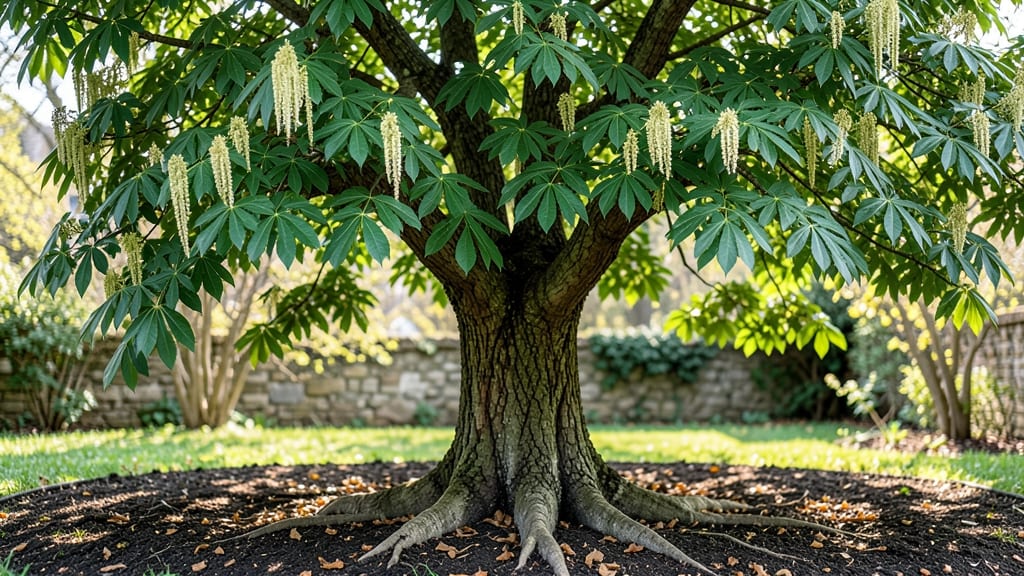
That fast-growing Tree of Heaven might look like the perfect privacy screen—until you realize it’s creating a Tree of Heaven habitat in your garden. 🌿 I planted one years ago for quick shade, but now it’s crowding out my native shrubs and attracting pests that never bothered my garden before.
The problem isn’t just its speed—it’s how aggressively it spreads. Roots invade sidewalks, seeds hitchhike on clothes, and once established, it’s nearly impossible to remove without chemical warfare. What starts as a helpful screen can turn into an ecological nightmare for local wildlife.
If you’re committed to biodiversity, this isn’t the plant for you. Instead, opt for fast-growing natives like serviceberry or eastern red cedar, which provide the same privacy without choking out your ecosystem. They’ll even support birds and butterflies while keeping your garden thriving.
Here’s how to spot the warning signs early and what to plant instead—before your yard becomes its own little Tree of Heaven habitat.
📚 In This Guide
- What you need
- Instructions
- Tips and common mistakes
- Wrapping up and next steps
What you need
- ● Tree of Heaven Saplings: 3–5 healthy, disease-free saplings (5–7 ft tall for faster privacy)
- ● Root ball size: 1–2 gallons per plant
- ● Soil Amendments: Compost (5–10 lbs per planting hole)
- ● Well-draining potting mix (for container options)
- ● Planting Supplies: Shovel or trowel (for digging)
- ● Garden gloves (to protect hands)
- ● Watering can or hose (with adjustable nozzle)
- ● Mulch (2–3 inches of shredded bark or pine straw)
- ○ Support Structures (Optional but Helpful): Stakes (2–3 ft long, 2 per tree) + soft ties (for young trees)
- ● Wire mesh or burlap (to protect from small animals)
- ● Location: Full sun to partial shade (6+ hours of sunlight daily)
- ● Well-draining soil (amend clay soil with sand/compost)
- ● Space: 30–50 ft apart for mature growth (or closer for denser screens)
- ● Climate: Hardy in USDA Zones 4–9 (adapts to urban and rural settings)
- ● Drought-tolerant once established (but water deeply during dry spells)
- ● Local Regulations: Check if Tree of Heaven is invasive in your area (some states restrict planting)
- ● Verify soil pH (ideal: 6.0–7.5; test with a soil kit if unsure)
- ● 🌡️ Plant in early spring or fall to avoid extreme heat/cold stress.
- ● ✨ Fertilize lightly (balanced 10-10-10 fertilizer) only if soil is poor.
- ● 🎯 Monitor for pests (e.g., spider mites); treat with neem oil if needed.
How to create a fast-growing Tree of Heaven privacy screen
This resilient, fast-growing tree thrives in tough conditions and delivers rapid privacy within just a few years.
🌱 Step 1: Select the Best Planting Location
Choose a site that receives full sun to partial shade—Tree of Heaven tolerates urban pollution and poor soil, but it grows fastest with at least 6 hours of direct sunlight daily. Avoid low-lying areas where frost lingers, as young seedlings are sensitive to late spring frosts.
Measure your desired screen height and spacing: mature trees reach 40-60 feet tall, so plant them 15-20 feet apart for a dense, unbroken barrier. I always mark planting spots with wooden stakes to ensure even spacing—uneven planting leads to gaps in coverage.
🪴 Step 2: Prepare the Soil and Planting Holes
Tree of Heaven adapts to most soil types but thrives in well-draining soil. Amend heavy clay by mixing in 2-3 inches of compost into the top 12 inches of soil. Dig holes twice as wide and deep as the root ball—this encourages root expansion and prevents transplant shock.
Place each tree in the hole so the top of the root ball sits 1-2 inches above ground level. Backfill with native soil, tamping gently to remove air pockets. Water deeply immediately after planting to settle the soil and eliminate gaps around roots.
☀️ Step 3: Establish Watering and Mulching Routines
Water newly planted trees deeply 2-3 times per week for the first 6-8 weeks until the root system establishes. You’ll know they’re getting enough water when the top 6 inches of soil remain consistently moist—probe with your finger to check.
Apply 3-4 inches of mulch around the base, keeping it 6 inches away from the trunk to prevent rot. Use organic mulch like wood chips or shredded bark, which breaks down over time and improves soil structure. Replenish mulch annually to maintain moisture and suppress weeds.
✂️ Step 4: Prune for Structure and Density
Prune in late winter or early spring before new growth begins. Remove 1/3 of the tallest branches to encourage bushier growth and prevent legginess. Cut just above a lateral bud to promote branching—this is where new shoots will emerge.
For a uniform screen, trim the outer edges annually to maintain a clean, straight line. Avoid heavy pruning after mid-summer, as new growth won’t harden off before winter. I always sterilize pruners with rubbing alcohol between cuts to prevent disease spread.
🌿 Step 5: Monitor for Pests and Diseases
Tree of Heaven is generally pest-resistant, but watch for spotted lanternfly in warmer climates. Scrape eggs from tree bark in late winter and treat infestations with horticultural oil. Yellowing leaves may signal overwatering or poor drainage—adjust your watering schedule if the soil stays soggy for more than 48 hours.
This tree’s rapid growth means you’ll see noticeable height increases within 1-2 years. By year three, your privacy screen will be dense enough to block views and reduce noise. The key is patience—consistent care in the first two years ensures long-term success.
Tips & tricks for perfect Tree of Heaven privacy screen
These practical insights will help you accelerate growth and avoid common pitfalls when establishing your fast-growing privacy screen.
Site Selection Strategy: While Tree of Heaven tolerates urban conditions, the 6 hours of direct sunlight mentioned in Step 1 is non-negotiable for optimal growth. I've found that south-facing locations provide the best results, especially in northern climates. If your site gets less than 6 hours, consider supplementing with a temporary shade cloth during peak growth months to prevent stress.
Soil Preparation Hack: The instructions recommend amending heavy clay with 2-3 inches of compost into the top 12 inches of soil, but I take this a step further by mixing in a handful of slow-release fertilizer during planting. This gives young trees an immediate nutrient boost without overwhelming them. Organic options like bone meal or fish emulsion work well for this purpose.
Watering Wisdom: The critical 6-8 week establishment period requires consistent moisture, but don't assume "deeply 2-3 times per week" means quick sprinkles. I use a soaker hose placed at the base of each tree to deliver water slowly to the root zone. This prevents surface evaporation and ensures the top 6 inches of soil stay consistently moist as instructed.
Pruning Pro Tip: When removing 1/3 of the tallest branches in Step 4, focus on branches that are growing outward rather than upward. This creates a naturally bushier screen from the start. I also make all cuts at a 45-degree angle just above a lateral bud—this technique promotes faster healing and new growth in the exact direction you want.
Pro Tips for Tree Of Heaven Habitat
- These practical insights will help you accelerate growth and avoid common pitfalls when establishing your fast-growing privacy screen.
- Site Selection Strategy: While Tree of Heaven tolerates urban conditions, the 6 hours of direct sunlight mentioned in Step 1 is non-negotiable for optimal growth.
- This gives young trees an immediate nutrient boost without overwhelming them.
Frequently asked questions
Got questions about creating a Tree of Heaven habitat? You’re not alone!
Here are answers to common concerns—from planting to maintenance—so you can enjoy your fast-growing privacy screen with confidence.
Is the Tree of Heaven invasive, and should I avoid it?
The Tree of Heaven (Ailanthus altissima) is highly invasive in many regions, spreading aggressively via seeds and suckers. If you’re in an area where it’s considered a noxious weed (like much of the U.S.), opt for native alternatives like Leuceodendron or Thuja instead. Always check local regulations before planting!
How fast does the Tree of Heaven grow, and when will I see results?
This tree is a powerhouse—expect 3–5 feet per year under ideal conditions! With proper care (full sun, well-drained soil, and regular watering), you’ll see noticeable height and density within 1–2 years. For a quick privacy screen, plant multiple saplings in a row for faster coverage.
Do I need to prune it heavily, or does it self-correct?
Pruning is minimal but strategic—focus on shaping in early spring to encourage dense growth. Remove suckers at the base and dead/diseased branches regularly to prevent pests. Avoid heavy pruning in late summer, as it can stimulate weak, invasive growth. A light trim once a year keeps it tidy!
Can the Tree of Heaven survive in cold climates, or is it only for warm areas?
This tree is hardy in USDA Zones 4–9, making it versatile for most U.S. regions. While it tolerates cold snaps, young trees may need winter mulch in colder zones. In extreme heat, ensure it gets consistent moisture—drought stress weakens its defenses against pests and disease.
What’s the best alternative if I want fast growth but no invasiveness?
For a non-invasive, fast-growing privacy screen, consider:
- Leuceodendron (Australian native, drought-tolerant, 2–3 ft/year)
- Thuja occidentalis (Arborvitae, cold-hardy, 1–2 ft/year)
- Populus deltoides (Eastern Cottonwood, 5+ ft/year but short-lived)
Native species also support local wildlife—win-win!
Wrapping up and next steps
The Tree of Heaven is a hardy, fast-growing champion for privacy screens, offering lush greenery year-round with minimal fuss. Its adaptability and resilience make it a top choice for gardens, urban landscapes, and even challenging soils—just be mindful of its invasive tendencies in some regions.
Whether you're planting for beauty or function, this tree delivers big results with low maintenance!
Ready to transform your space? Start by assessing your soil and sunlight, then gather your tools and dive in! With the right care, your Tree of Heaven will thrive—and soon, you’ll have a stunning, evergreen haven to enjoy.