
Trees
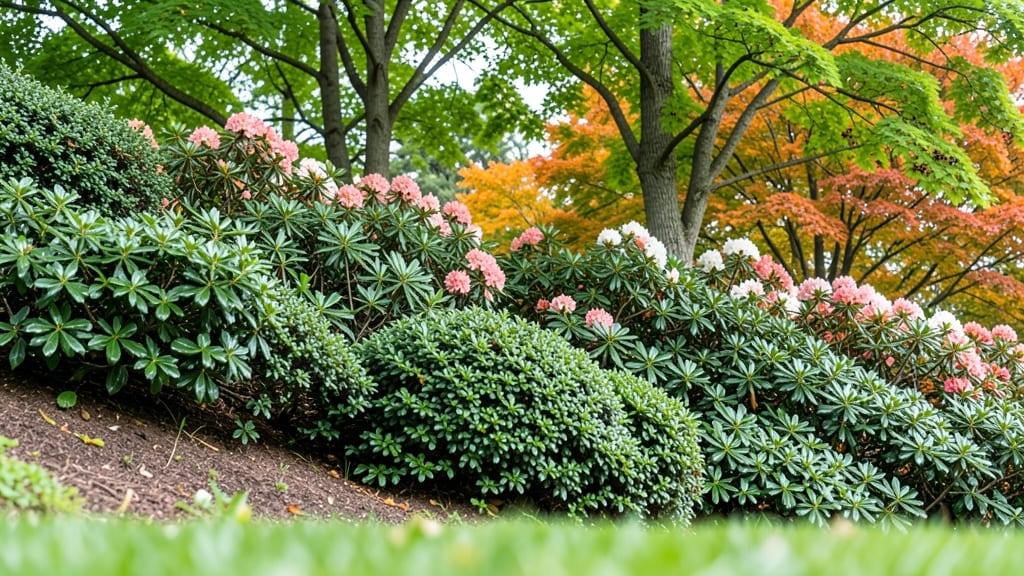
Transform your yard into a lush, natural privacy haven with tree berms—living walls that grow taller and more beautiful each year. These 10 creative designs blend functionality with aesthetics, using native plants and strategic layouts to create year-round screening solutions.
Evergreen Shrub Berm for Year-Round Privacy
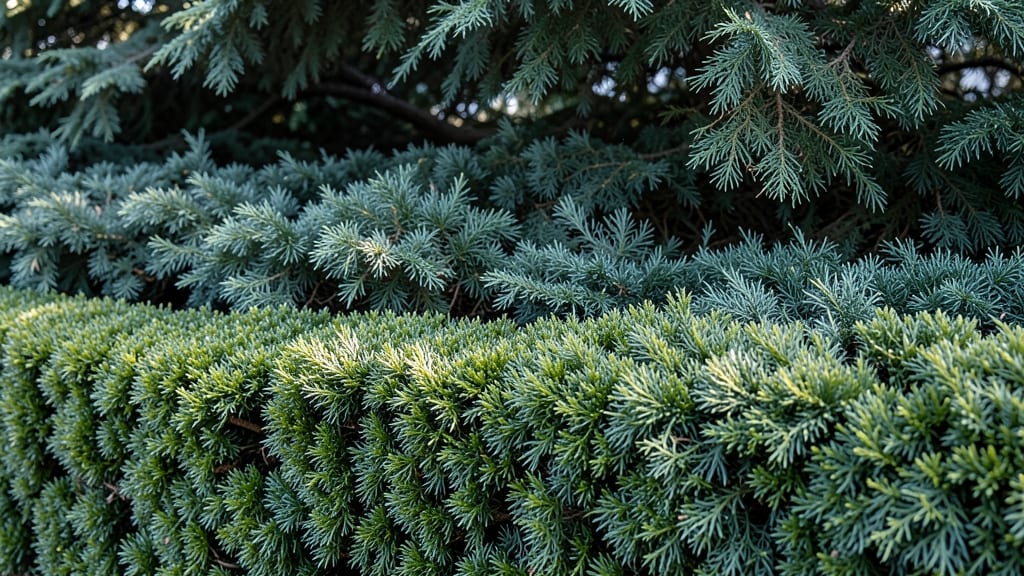
Tired of seasonal privacy screens that fade in winter? A evergreen shrub berm delivers year-round coverage without losing density or color, even in freezing temperatures. This low-maintenance solution uses hardy plants like arborvitae or boxwood, which thrive in cold climates and maintain their vibrant green foliage through snow and frost.
Start by shaping a gentle mound (3-4 feet high) along your property line, then plant dwarf or semi-dwarf evergreens spaced 2-3 feet apart. The dense growth habit of these shrubs blocks views instantly while requiring only seasonal pruning to shape. For extra resilience, add a 2-inch layer of pine bark mulch to protect roots from winter winds and retain moisture.
This design is perfect for homeowners in USDA zones 3-7 who want privacy without the upkeep of fences or hedges. The natural, organic shape also blends seamlessly with woodland or cottage-style gardens. 🌿
Fast-Growing Willow Tree Berm for Quick Screening
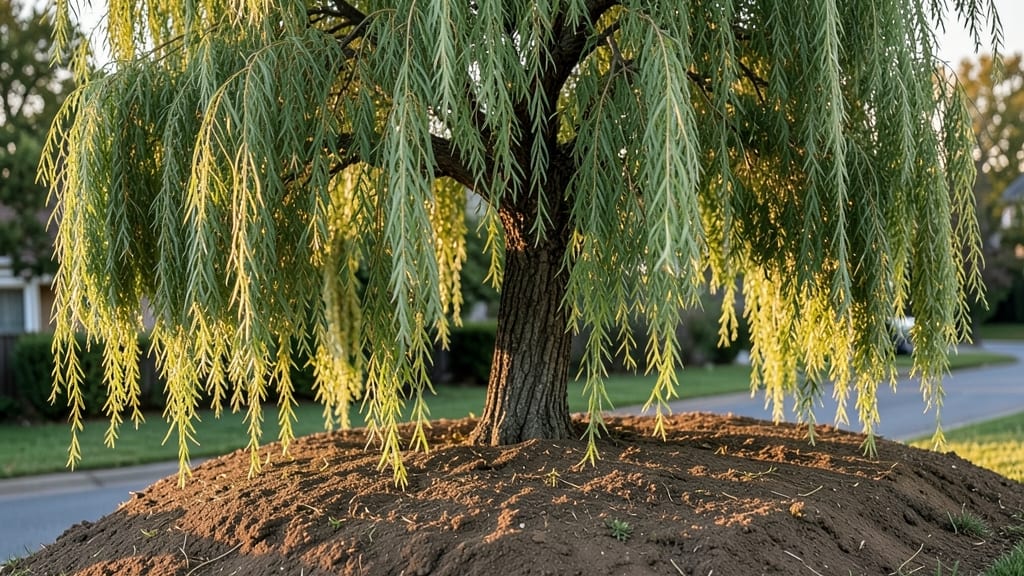
Need privacy in a hurry? Weeping willow trees planted in a berm can transform your view in just one growing season—ideal for renters or anyone craving instant screening without the decades-long wait of traditional trees.
These fast growers can reach 10-15 feet tall in their first year, creating a lush, green curtain that blocks unsightly neighbors or noisy streets. Plant them in a moist, well-draining berm with plenty of space for their sprawling roots, and expect rapid growth in full sun. Regular pruning (every 6-8 weeks) keeps them manageable while maintaining their dense, weeping shape.
Perfect for urban gardeners or those with limited time—just be prepared to dedicate space and a little elbow grease to keep them contained. The payoff? A stunning, natural privacy screen that grows with you. 🌿
Wildflower Meadow Berm for Pollinators
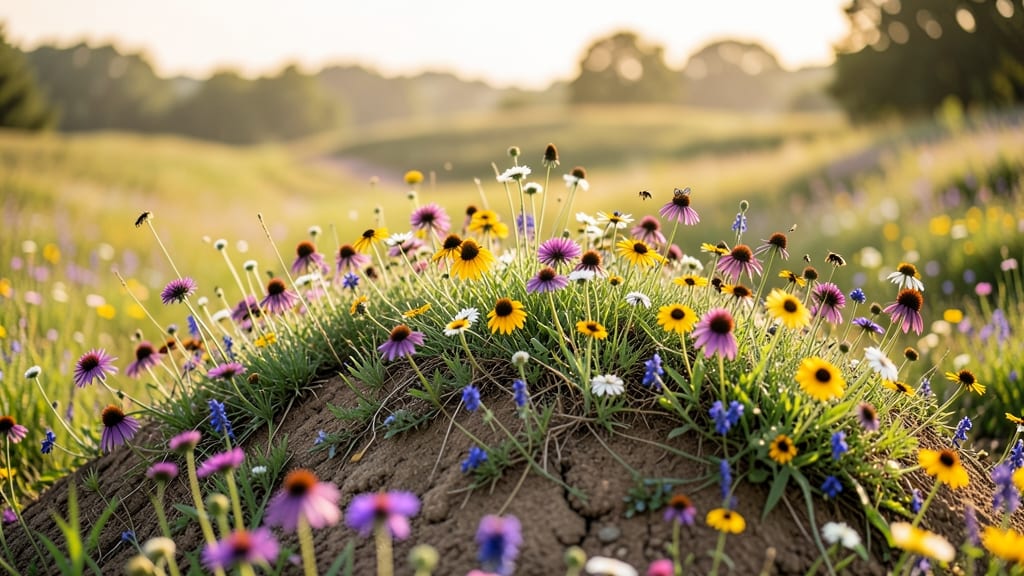
Skip the high-maintenance hedges and create a living pollinator paradise with a wildflower meadow berm instead. This eco-friendly design transforms a simple soil mound into a buzzing, colorful haven for bees, butterflies, and hummingbirds while adding seasonal charm to your landscape.
Start by choosing a mix of native wildflowers (like coneflowers, black-eyed Susans, and milkweed) paired with ornamental grasses such as switchgrass or little bluestem. These plants thrive in well-drained soil and require minimal watering once established, making them perfect for low-maintenance gardeners. The grasses add texture and movement, while the wildflowers provide nectar and pollen year-round.
This design is ideal for gardeners who want to support local ecosystems while enjoying a low-fuss, vibrant screen that changes with the seasons. Plus, it’s a fantastic way to attract pollinators to your yard—turning your berm into a tiny wildlife oasis. 🌻
Tall Ornamental Grass Berm for Texture
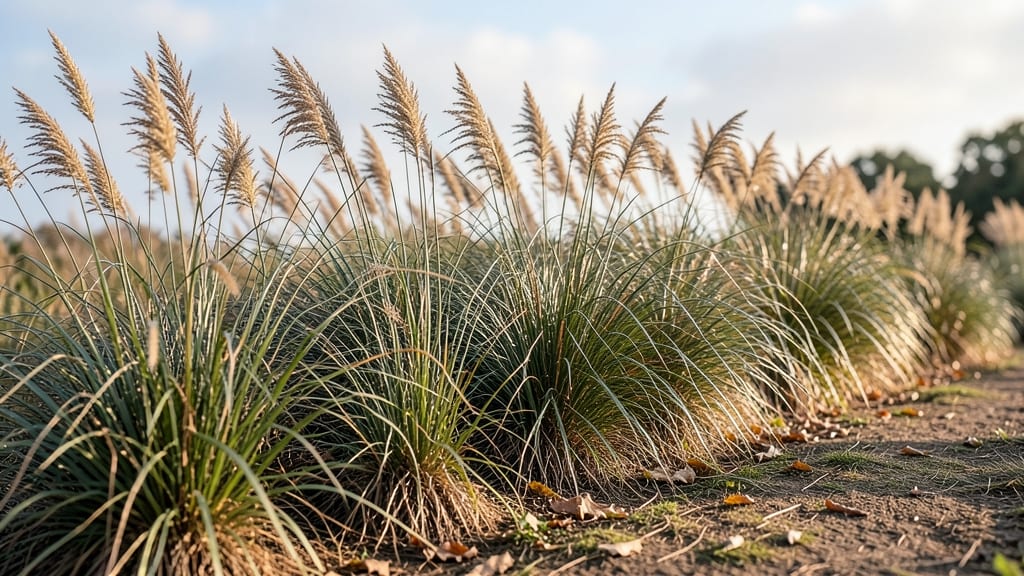
Skip the static shrubs—tall ornamental grasses bring dynamic movement and architectural interest to your berm design. Varieties like Miscanthus sinensis or Pampas grass (Cortaderia selloana) grow 6-12 feet tall, swaying dramatically in the breeze to create a living sculpture that adds depth without blocking light.
These grasses thrive in modern or minimalist landscapes with minimal water once established, making them perfect for low-maintenance yards. Plant them in clusters along the berm's edge for a natural, flowing transition between hardscapes and softscapes. Their feathery plumes also provide winter interest when many other plants have gone dormant.
Urban gardeners and designers will love how these grasses soften geometric lines while requiring less water than traditional screening plants. Just be sure to prune back old foliage in early spring to encourage fresh growth. 🌻
Berry-Producing Shrub Berm for Edible Privacy
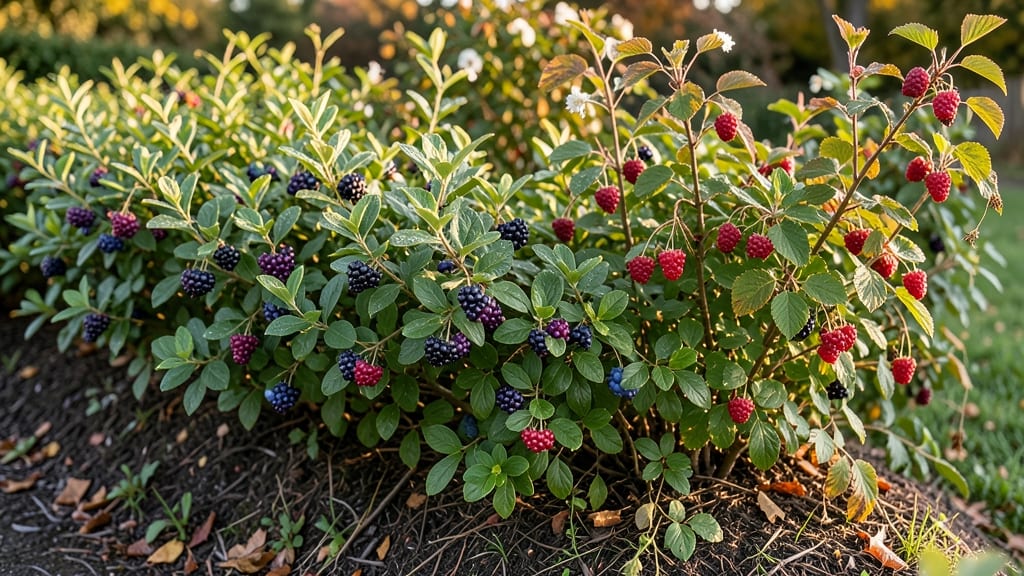
Turn your property line into a productive powerhouse with a berry-producing shrub berm—where every harvest is a bonus for your privacy screen. This dual-purpose design lets you enjoy fresh blueberries, currants, or elderberries while creating a lush, living barrier that matures over time.
Plant acid-loving blueberries along the berm’s top for height, with currants or elderberries at the base for easier picking. Space plants 3-4 feet apart to allow airflow and prevent disease. Mulch heavily with pine straw to retain moisture and suppress weeds—critical for berries that thrive in consistently damp (but not soggy) soil.
Perfect for small urban lots or rural gardens, this design rewards you with year-round screening and seasonal fruit. Plus, birds and pollinators will flock to your berm, turning it into a thriving ecosystem. 🌻
Cedar Tree Berm for Aromatic Screening
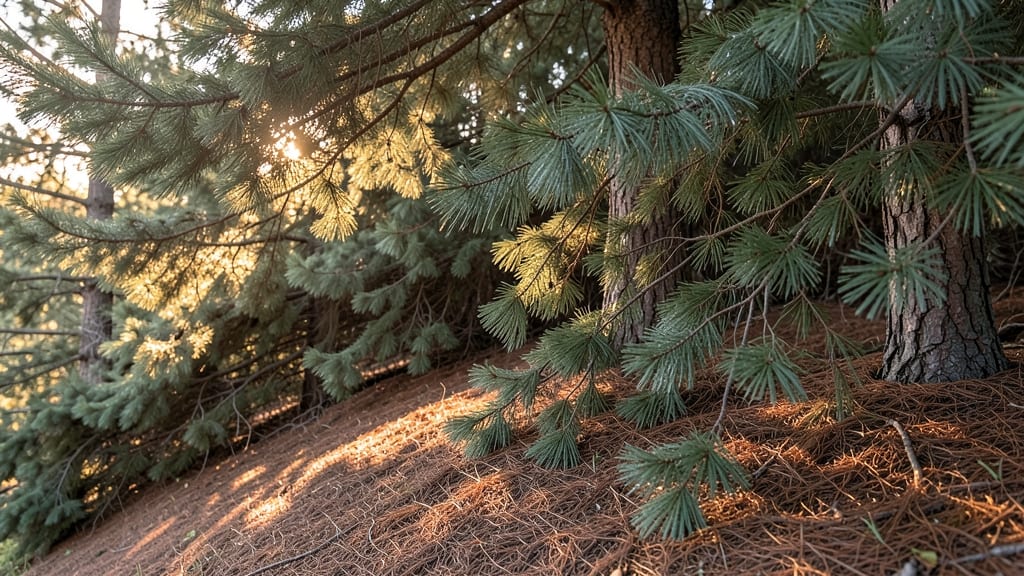
Tired of battling mosquitoes and flies in your outdoor space? A cedar tree berm offers a natural, fragrant solution that doubles as a living privacy screen. The rich, woody scent of cedar isn’t just pleasant—it’s a proven insect deterrent, keeping pests at bay while creating a serene, evergreen barrier.
Cedar trees thrive in dry, well-drained soil and require minimal water once established, making them ideal for low-maintenance gardens. Plant them in a gently sloped berm (2-3 feet high) to enhance drainage and create a layered look. Their slow-growing nature means they’ll provide long-term privacy without overwhelming your space, and their year-round foliage ensures your screen stays lush in every season.
Perfect for gardeners in dry climates or those seeking a chemical-free way to repel insects, this fragrant option adds both beauty and function to your landscape. 🌿
Climbing Rose Berm for Romantic Privacy
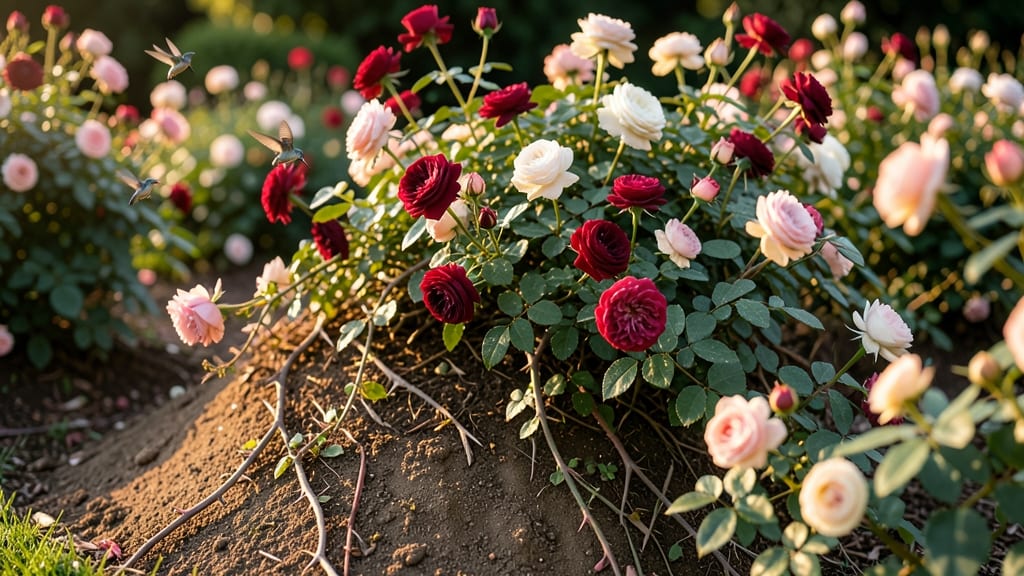
Transform your garden’s focal point into a fragrant, living tapestry with a climbing rose berm—the perfect blend of romance and function. Unlike dense shrubs or fast-growing trees, roses offer seasonal blooms, intoxicating fragrance, and a soft, natural screen that invites hummingbirds to your yard.
Train climbing rose varieties like 'New Dawn' or 'Blaze' along the berm’s gentle slope, using trellises or wire supports embedded in the soil mound. Plant roses at the base and guide vines upward as they grow, ensuring 6 hours of sun daily for abundant blooms. Mulch the berm to retain moisture and deter weeds, while pruning in late winter keeps the structure tidy and encourages vigorous growth.
This design is ideal for cottage gardeners, newlyweds, or anyone who loves a touch of whimsy in their outdoor space. The seasonal color shifts and sweet scent make it a standout feature that evolves with your landscape. 🌷
Native Tree Berm for Low-Maintenance Growth
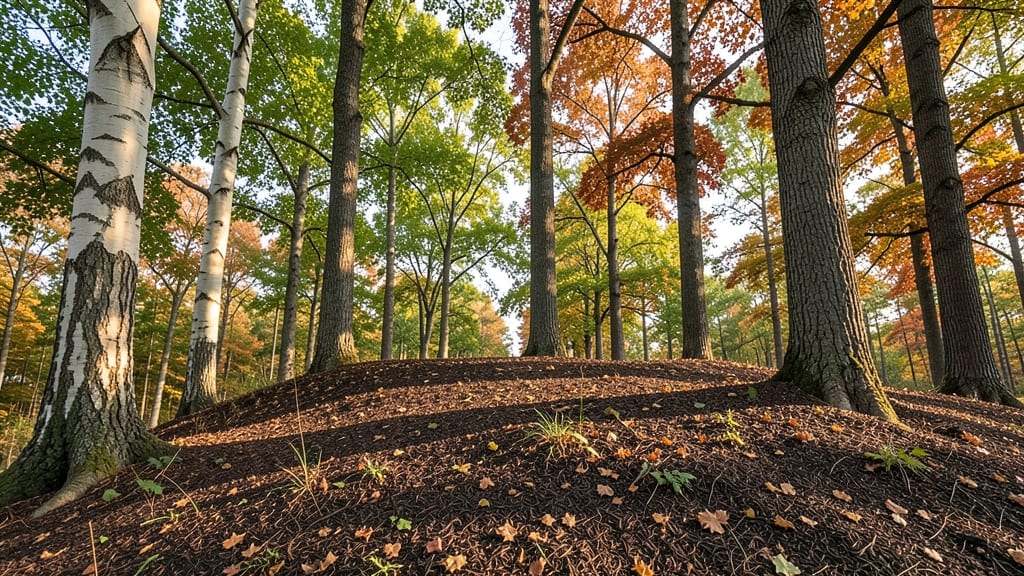
Skip the high-maintenance hedges and opt for a native tree berm that thrives on its own once planted. This eco-conscious design uses hardy species like white oak or sugar maple, which naturally resist pests, diseases, and drought—no sprinklers required after the first year.
To create one, mound native soil into a gentle slope (3-4 feet wide) and plant saplings spaced 6-8 feet apart. The raised berm improves drainage while giving roots room to spread. Over time, these trees will grow into a self-sustaining privacy screen that supports local wildlife, from birds to butterflies.
Perfect for homeowners who want long-term beauty with zero fuss, this berm becomes more impressive—and more valuable to the ecosystem—each season. 🌱
Bamboo Berm for Fast, Dense Screening
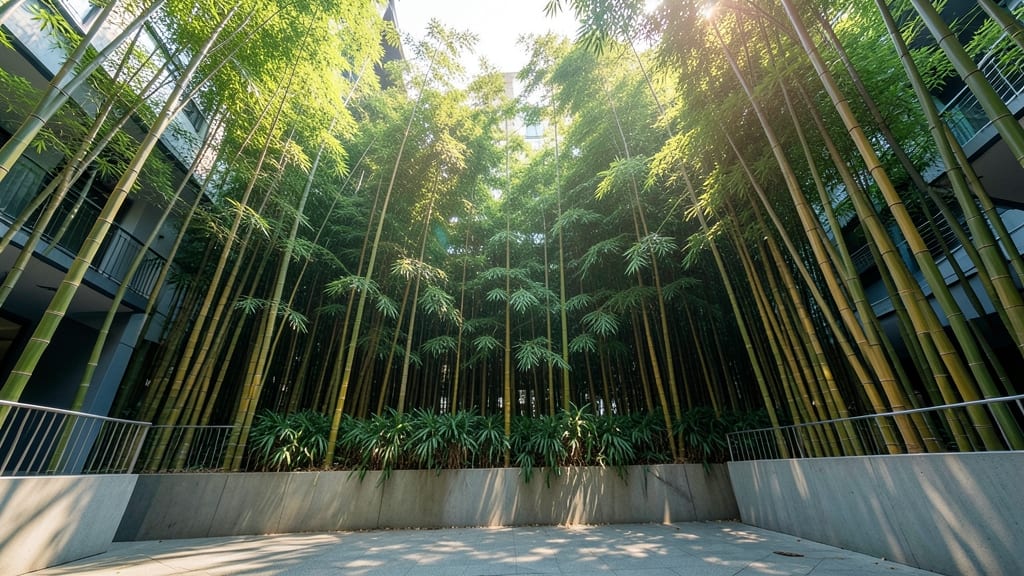
A bamboo berm delivers near-instant privacy in urban spaces where every inch counts—its rapid growth creates a lush, impenetrable screen in as little as 2-3 years. Unlike slow-growing shrubs, bamboo can reach 10-15 feet tall within a decade, making it perfect for city dwellers who need quick results without sacrificing long-term beauty.
To keep this powerhouse plant contained, install underground root barriers (at least 30 inches deep) before planting clumping varieties like Fargesia or Bambusa multiplex. These types spread less aggressively than running bamboos, which require even deeper containment. For maximum density, plant 3-4 canes per square foot and mulch heavily to suppress weeds while retaining moisture.
Urban gardeners with limited space will love how bamboo berms transform bare walls into living privacy screens that thrive in tight spots. Just be prepared for its bold growth—once established, it’s nearly impossible to remove without professional help. 🌿
Mixed Evergreen and Deciduous Berm for Seasonal Interest

Tired of berms that look the same year-round? A mixed evergreen and deciduous berm transforms your privacy screen into a living work of art that changes with every season. Evergreens like holly or rhododendron provide a lush, green foundation in winter, while deciduous trees like dogwood or serviceberry burst into spring blooms, fiery autumn foliage, and even winter interest with berries or seed heads.
Design your berm with low-growing evergreens at the base (like inkberry holly) and taller deciduous trees (such as redbud or oak) rising behind. This layered approach ensures year-round coverage while giving you a dynamic backdrop that evolves from spring blossoms to autumn gold. Mulch with wood chips to retain moisture and suppress weeds, and group plants with similar water needs together for easier care.
This design is perfect for gardeners who love seasonal variety without sacrificing privacy. Whether you're framing a patio, masking a neighbor’s view, or adding depth to your landscape, this berm delivers four distinct looks in one structure. 🌟